


Next Skills 360 is a bold, future-ready social enterprise redefining how children access technology education. Founded in 2020 in Hyderabad, the company operates on a clear, powerful conviction: every child, regardless of background, ability, or circumstance, deserves the tools to thrive in a rapidly digitalising world. Their flagship innovation, ProGame, turns coding into a tactile, joyful experience by combining intuitive cardboard blocks with an AI-powered mobile app. As a result, students grasp core programming logic without ever sitting in front of a computer.
Driven by a mission to close India’s widening digital divide, Next Skills 360 works extensively with government schools and inclusive learning environments. The organisation places special emphasis on empowering visually impaired learners, a group too often left at the margins of tech education. Supported by influential accelerators and partners, Next Skills 360 goes far beyond teaching code, it builds confidence, ignites curiosity, and expands opportunities for a more equitable future.
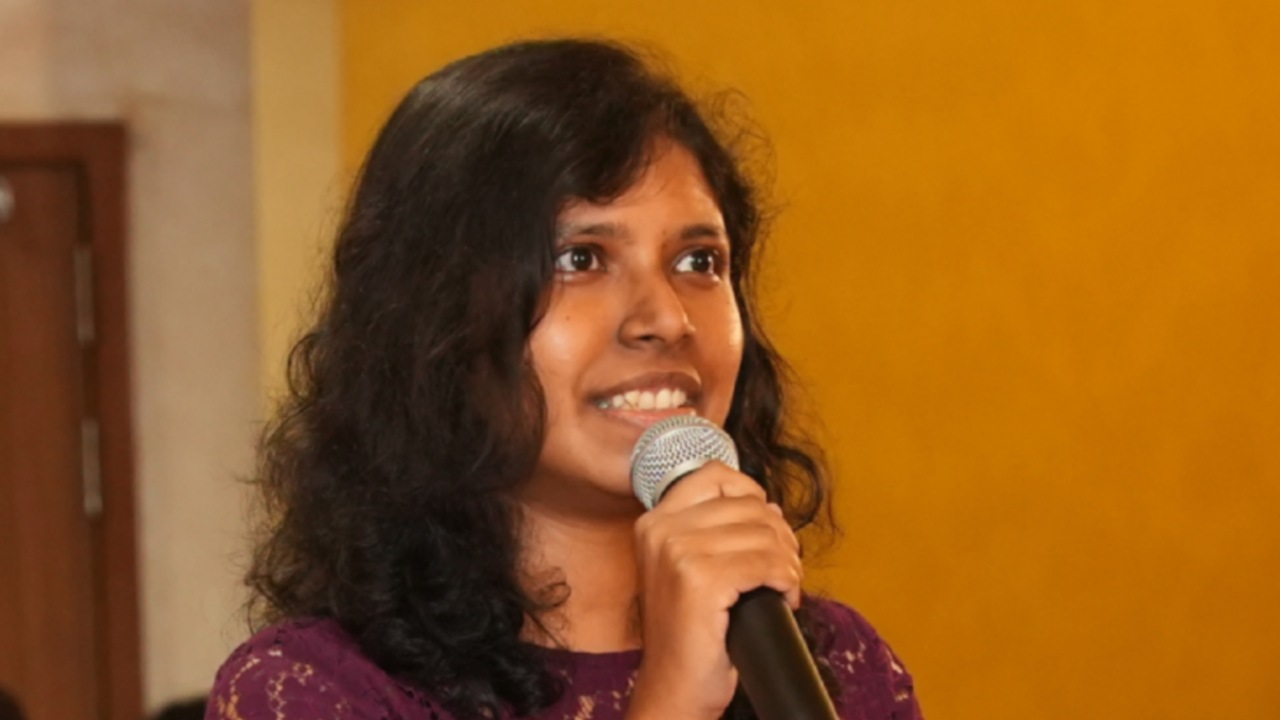
In an exclusive conversation with The Interview World at the Samarth India Conclave and Expo 2025, hosted by Times Network and Hyundai, Nandu Kumar Prodduturu, Technical Architect at Next Skills 360, outlines the company’s technology solutions, introduces flagship programs beyond coding, shares its strategic future roadmap, and highlights the scale of its work across schools and district administrations.
Here are the key takeaways from his compelling conversation.
Q: Could you elaborate on the technology solutions provided by Next Skills 360?
A: Next Skills 360 is an educational technology startup pioneering innovative solutions to teach 21st-century skills, coding, social-emotional learning, AI literacy, and more, to underserved and underprivileged students. To reach learners who lack access to computers, we created a breakthrough product: Coding Without a Computer. This tactile cardboard kit allows any student to pick it up and begin learning coding immediately, without waiting for limited computer resources in schools. This marquee innovation, now five years old, has already reached 2,40,000 students and 10,000 teachers across India.
As we implemented this solution in a school in Indore, one that also served visually impaired learners, we encountered a pivotal moment. While teaching sighted students, visually impaired students approached us and asked how they could learn coding. Their question sparked a deeper inquiry: how can visually impaired children access coding and other essential 21st-century skills?
This challenge led us to create ProGame Tactile, a groundbreaking super-app designed specifically for visually impaired learners. The app uses an ultra-simplified interface with just two buttons and intuitive gestures—single tap, double tap, left and right swipes. After a quick three-to-five-minute orientation, students can easily navigate the app and follow audio-guided lessons.
We also designed the content with extraordinary care. Every example, explanation, and activity aligns with the lived context of visually impaired learners, ensuring they can understand and apply concepts without barriers. Most importantly, the app empowers them not just to consume content, but to create it. They can build their own coding activities and share them with peers, transforming them from passive learners into confident creators.
Through this same platform, students can continue learning AI, social-emotional skills, and other future-ready competencies, with independence, dignity, and agency at the center.
Q: Apart from coding programs, what other flagship offerings do you provide?
A: We began our journey by teaching social-emotional skills to school students. To do this effectively, we created a cast of relatable characters who help children understand critical concepts such as staying safe from child abuse, preventing bullying, and avoiding substance abuse. We developed age-appropriate, activity-based content for students from PP1 to Class 10, available in both printed and digital formats. This became our first flagship product.
As we delivered this program, we discovered a deeper challenge: government school students had limited access to computers and technology. This insight pushed us to innovate further. In response, we designed Coding Without a Computer, a solution that brings coding education to classrooms without relying on digital infrastructure. Building on that success, we later created a dedicated coding solution for visually impaired learners as well.
Q: What are your key future plans and priorities?
A: Our goal is to reach 1 million sighted students by 2026 and to empower 50,000 visually impaired learners by the end of the same year.
Q: How many schools or district administrations are you currently working with?
A: We currently work with the Telangana and Andhra Pradesh governments, and we are in active discussions with the Maharashtra government. We also collaborate directly with district administrations, including district collectors. One of our flagship initiatives created the first coding-literate district in India, Asifabad in Telangana, where every government school student completed our program and learned coding.
Alongside government partnerships, we work closely with CSR teams and NGOs. They fund our initiatives, and we implement them on the ground in schools, ensuring that students receive meaningful, hands-on learning experiences.








2 Comments
I agree with your point of view and found this very insightful.
This is exactly the kind of content I’ve been searching for.
Comments are closed.