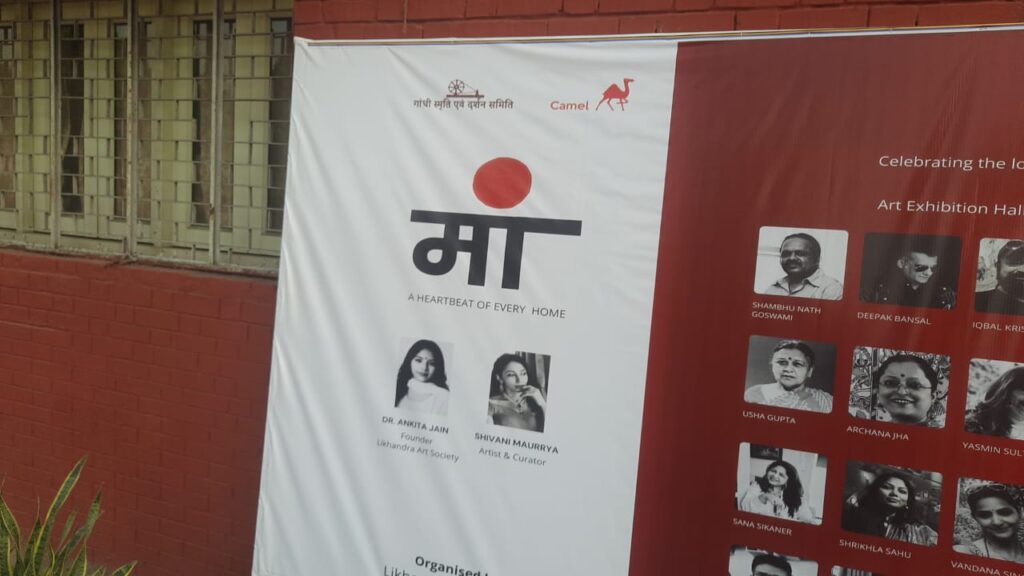

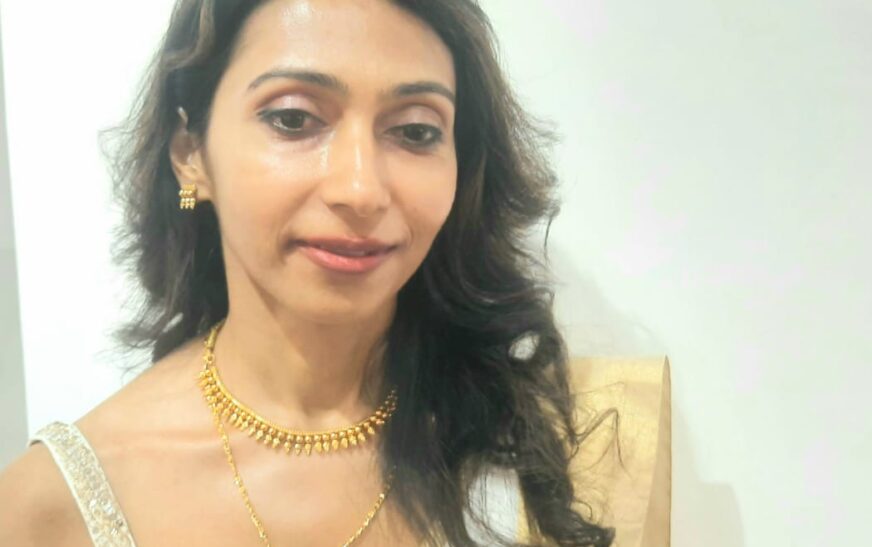
Shivaanii Maurrya is an artist and curator whose creative vision draws deeply from emotion, cultural memory, and the quiet poetry of everyday life. Through Maa – A Heartbeat of Every Home at Gandhi Darshan Art Gallery, she reimagines motherhood not merely as a familial role, but as a profound force of warmth, sacrifice, resilience, memory, and belonging. The exhibition becomes both an artistic tribute and a nuanced exploration of maternal presence, a living archive of unconditional love, silent endurance, emotional labour, and the extraordinary ability to balance countless responsibilities with grace. At the same time, it captures the rare strength with which mothers often deliver life’s hardest truths through compassion and tenderness.
Maurrya’s curatorial approach seamlessly fuses artistic storytelling with human connection, thereby creating immersive experiences that resonate across generations. Drawing inspiration from Indian cultural traditions, domestic spaces, feminine strength, and emotional inheritance, she constructs a compelling dialogue between art and identity. Consequently, her work portrays motherhood with remarkable emotional depth, authenticity, and intellectual sensitivity.
In an exclusive conversation with The Interview World, Maurrya discusses the inspiration behind curating an exhibition dedicated to motherhood and reflects on its central themes and artistic narratives. She also shares insights into the participating artists and highlights some of their significant works. Furthermore, she emphasizes the importance of strengthening the bond between the younger generation and their mothers, while also speaking about the deeply encouraging response the exhibition has received from artists, participants, and audiences alike.
Here are the key takeaways from this thought-provoking conversation.
Q: What inspired the conception of Maa, and how does the exhibition interpret the emotional, cultural, and symbolic essence of motherhood?
A: The idea emerged around Mother’s Day. We wanted to create something more meaningful than a conventional event or a formal art exhibition. Instead, we envisioned a space that could emotionally connect people through art while celebrating the spirit of motherhood. The thought became deeply personal for us because I lost my mother in September, and my colleague Ankita also lost her mother around December–January.
In many ways, this exhibition became our tribute to them. At the same time, we wanted to honour countless others who carry profound emotions and memories associated with their mothers. We realized that many people, despite their emotional and artistic expressions, never truly receive a platform to showcase such deeply personal work. Therefore, we felt Mother’s Day offered the perfect occasion to create that space. Through this exhibition, we sought not only to pay homage to our mothers, but also to celebrate the enduring emotional bond that motherhood represents.
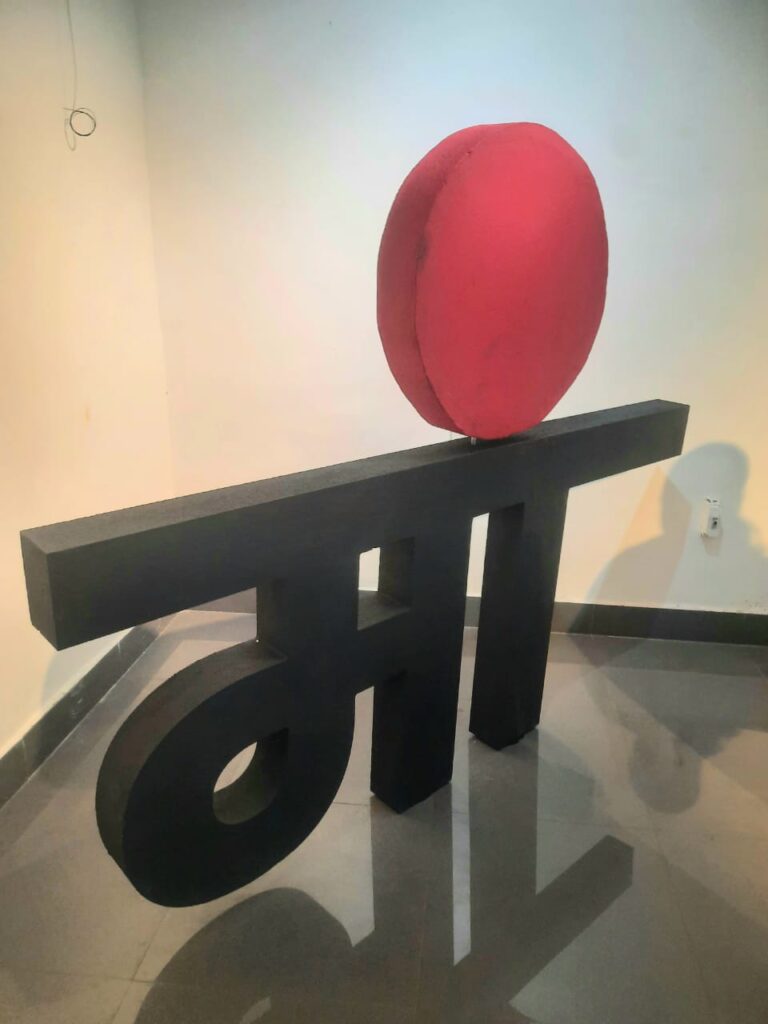
Q: What themes, styles, and artistic narratives do the paintings in this exhibition explore?
A: I have exhibited a painting created by my mother before her marriage. The artwork is nearly fifty years old. I rediscovered it almost like an unearthed memory, and bringing it to this exhibition became an intensely emotional experience for me. Displaying it here feels like preserving a part of her presence, her creativity, and her legacy.
Alongside this, several artists have presented remarkable works centered on the theme of motherhood. Their contributions include striking abstract compositions as well as deeply expressive portraiture. Each artwork interprets motherhood through a distinct emotional and artistic lens, thereby adding depth, sensitivity, and diversity to the exhibition.
Q: How many artists are participating in the exhibition, and could you highlight a few whose works particularly embody its vision and theme?
A: More than thirty artists are participating in this exhibition, and each of them brings a distinct artistic interpretation of motherhood. Among them is the highly respected veteran artist Shambhu Nath Goswami, whose work stands out for its extraordinary abstract expression and emotional depth. His composition captures the essence of motherhood through a powerful visual language that is both subtle and evocative.
Another notable participant is Abhijith Kumar, who has created a deeply compelling abstract work inspired by the theme of motherhood. Through colour, form, and texture, his artwork conveys tenderness, strength, and emotional intimacy with remarkable sensitivity. Together, these artists enrich the exhibition with diverse perspectives and profound artistic narratives.
Q: What message would you like to share with the younger generation about valuing, understanding, and nurturing their relationship with their mothers?
A: Always treat your mother with deep respect and gratitude, because the love a mother gives is truly irreplaceable. No other relationship embodies the same depth of selflessness, sacrifice, and unconditional care. A mother’s love remains one of the purest and most profound emotional experiences we encounter in life. Therefore, the younger generation must value, nurture, and cherish that bond while they still have the opportunity to do so.
Q: What kind of response and emotional engagement have you received from audiences for exhibitions centered on themes like Maa?
A: We have received an extraordinarily overwhelming response to the exhibition. Even today, as we prepare for the inauguration, we continue to receive calls from people asking whether they can still participate. Many of them tell us they came across the flyer or advertisement quite late and only recently learned about the initiative. Unfortunately, at this stage, we have had to decline additional participation requests because the exhibition is already set to open.
What makes the response especially meaningful is the uniqueness of the concept itself. For many people, this is the first time they have encountered an exhibition that invites individuals to showcase their mothers’ artworks, memories, and creative legacies. The idea has resonated deeply because it transforms Mother’s Day from a largely commercial celebration into something far more emotional, reflective, and culturally significant. Until now, most people associated Mother’s Day with greeting cards and symbolic gestures. However, this exhibition has encouraged them to engage with motherhood through art, memory, and personal storytelling in a much more profound and enduring way.