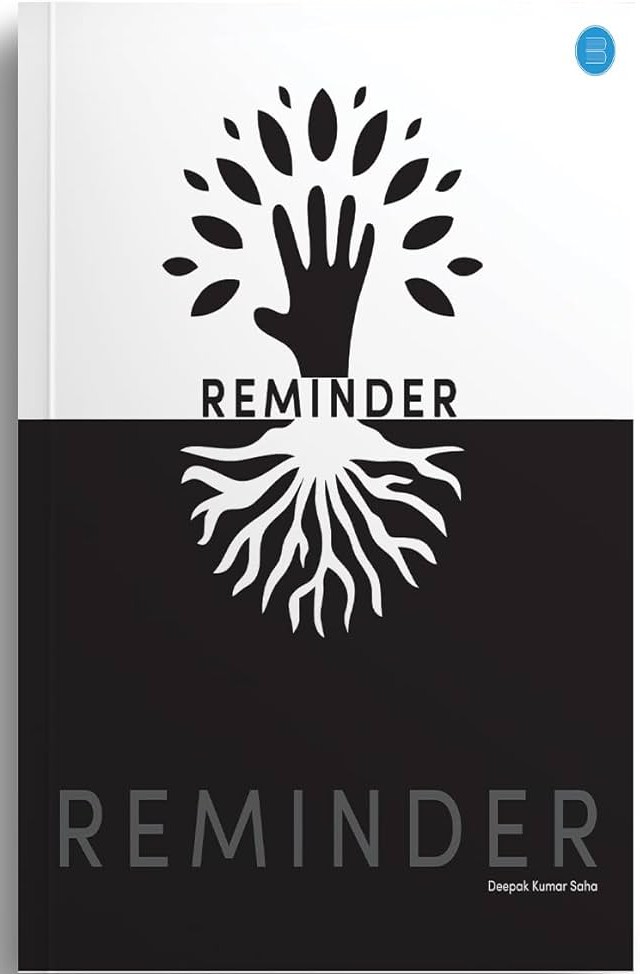

Reminder is far more than a book; it is a deeply introspective journey toward healing and self-awareness. Authored by Deepak Kumar Saha and published by BlueRose Publishers, the book encourages readers to pause amid the chaos of modern life, reconnect with themselves, and rediscover inner clarity. At a time when life is increasingly defined by speed, pressure, uncertainty, and relentless noise, Reminder offers something profoundly essential yet often overlooked: awareness.
With a calm, reflective, and compassionate narrative, the book guides readers toward emotional and mental equilibrium. It helps them quiet the mind, manage stress and emotional turbulence, recognize recurring thought patterns, resolve inner conflicts, nurture healthier relationships, and approach life with greater clarity, balance, and consciousness. Rather than prescribing instant transformation, Reminder advocates a more meaningful process: gradual, mindful, and authentic healing. Every page gently leads readers inward, reinforcing a powerful truth: genuine healing does not emerge from external validation; it arises from awareness within.
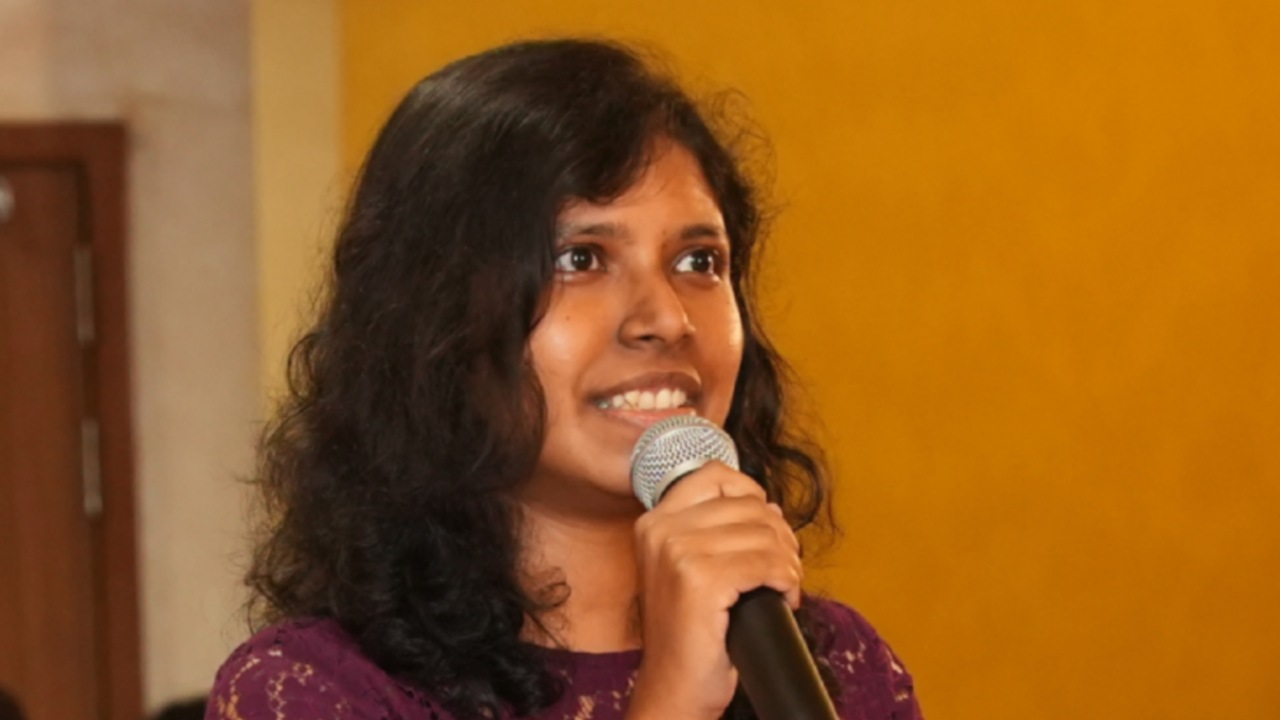
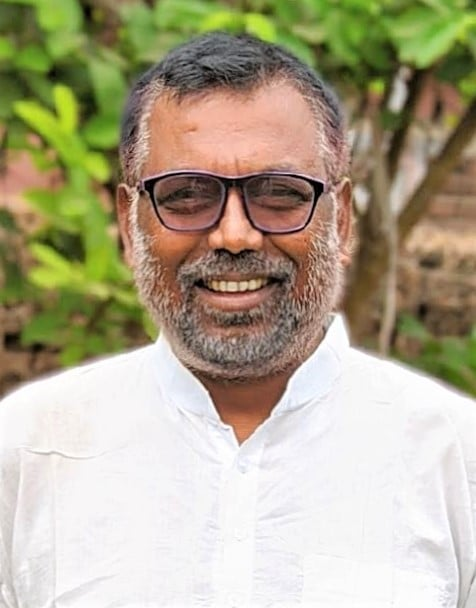
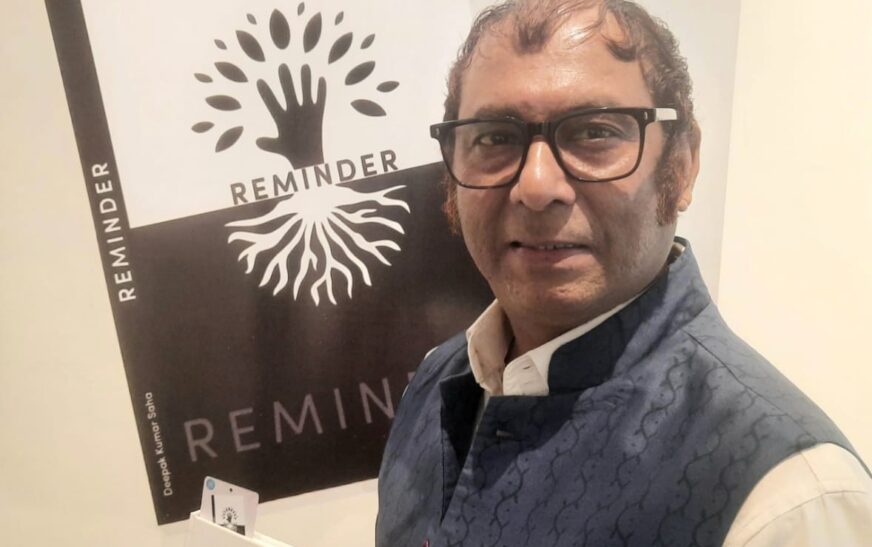
In an exclusive conversation with The Interview World, Deepak Kumar Saha offers profound insights into the essence of Reminder and the philosophy that shaped the book. During the discussion, he explains why every decade of life carries unique significance, examines how spirituality can help individuals navigate life’s complexities, reflects on the growing influence of technology in shaping modern existence, and shares a compelling perspective on the balance required to live a meaningful and beautiful life.
Here are the key insights from his thought-provoking conversation.
Q: Could you provide an overview of Reminder and discuss the core idea behind the book?
A: When I first conceptualized this book, I realized that life does not unfold in a single, linear journey. Instead, it evolves through distinct decades, and each decade brings its own questions, challenges, realizations, and reminders. That understanding became the foundation of Reminder. I structured the book around different phases of life because our experiences in our 20s differ significantly from those in our 30s, 40s, or 50s. Every stage carries a unique emotional, psychological, and spiritual landscape, and each demands a different level of awareness and reflection.
At the same time, I wanted the book to address the realities of contemporary life. Today, technology shapes almost every aspect of human existence. Therefore, the challenge is no longer limited to managing life externally; it also involves maintaining balance internally. Through Reminder, I explore how individuals can navigate the intersection between their inner journey and outer responsibilities, while also balancing technological dependence with authentic human experience. In essence, the book reflects on the complexities of modern living and the consciousness required to live meaningfully within it.
What makes Reminder distinctive is that it is not designed to be consumed in a single sitting. Readers do not need to follow the book sequentially. Instead, they can begin with the decade that resonates most deeply with their current stage of life, whether that is their 30s, 40s, or 50s. Each section follows a carefully structured format. It traces the origin of that phase, examines its natural progression and organic growth, explores the questions and conflicts that emerge during that period, reflects on the reminders life offers in those years, and finally arrives at a thoughtful conclusion.
Importantly, I have not approached these themes with rigid opinions or judgments. Rather than prescribing answers, I have explored ideas, woven them together thoughtfully, and intentionally left space for interpretation. In fact, one of the book’s most meaningful features is that after every decade, I have included two blank pages where readers can record their own reflections, experiences, and insights. As a result, the book gradually transforms into a deeply personal companion, one that continues to evolve with the reader and remains relevant throughout their life journey.
Q: Which decade do you think is the most significant, and why?
A: I believe every decade of life holds profound significance because each one forms an essential part of an individual’s journey. No decade exists in isolation. Instead, every phase of life shapes the foundation for the next. The experiences, lessons, struggles, and realizations we encounter in one decade ultimately influence how we enter and navigate the following stage of life.
Therefore, every decade matters. When we live through a particular phase, we are not merely passing time; we are evolving, learning, and preparing ourselves for what lies ahead. Each decade contributes to personal growth in its own unique way and adds another layer to our understanding of life. In that sense, the journey itself becomes cumulative, and every decade plays a vital role in defining who we eventually become.
Q: Do you believe life is structured enough for people to plan it accordingly?
A: Planning is undoubtedly important because it gives direction, structure, and purpose to life. However, life rarely unfolds exactly as we intend. No matter how carefully we plan, life presents unexpected situations, unforeseen challenges, and moments of uncertainty that arrive without warning. In those moments, rigid plans alone cannot guide us; instead, our ability to respond with awareness, resilience, and clarity becomes far more important.
Therefore, the real challenge lies not merely in planning life, but in learning how to navigate its unpredictability. This is where awareness plays a critical role. When individuals cultivate deeper self-awareness, they become better equipped to handle emotional turbulence, uncertainty, and sudden disruptions with greater balance and maturity.
In this context, spirituality becomes profoundly significant. Spirituality grounds the individual internally. It helps people remain centered even when external circumstances become unstable or overwhelming. More importantly, it enables them to approach challenges with calmness, acceptance, and a deeper understanding of life. As a result, spirituality does not remove difficulties from life; rather, it strengthens our capacity to face them with wisdom and inner stability.
Q: Apart from spirituality, how is technology going to impact the lives of modern-day people in the coming years?
A: Technology has profoundly transformed modern life. Today, one of the most defining aspects of our existence is the growing gap between screen time and real time. Increasingly, people spend more time engaging with digital platforms than with the realities unfolding around them. As a result, technology no longer functions merely as a tool; it actively shapes emotions, thoughts, relationships, and everyday experiences.
In particular, social media has begun to exert a powerful influence on personal and emotional life. What happens in the digital world often spills into real life and affects human relationships, emotional stability, and even one’s ability to remain present in the moment. A reaction, a comment, or an experience on a screen can alter moods, disrupt peace of mind, and impact personal interactions in the real world.
Consequently, many people struggle to fully experience the moments they are actually living. Instead of immersing themselves in real conversations, relationships, and experiences, they remain mentally occupied by their digital existence. This constant engagement with screens gradually weakens emotional presence and disconnects individuals from the immediacy of life itself.
At the same time, technology undeniably offers immense opportunities and advantages. It has improved communication, accessibility, and convenience in remarkable ways. However, the real challenge lies in ensuring that technology enhances life without overpowering it. Therefore, maintaining a conscious balance between the digital world and real human experience has become essential. Ultimately, balance, not rejection of technology, is the key to living meaningfully in the modern age.
Q: What message would you like to share with your readers about the kind of balance required for a beautiful life?
A: Creating balance in life does not follow a fixed formula because balance is deeply personal and individualistic. What brings harmony and fulfilment to one person may not necessarily work for another. Therefore, balance cannot be defined universally; each individual must discover it through self-awareness and honest reflection.
I believe happiness serves as one of the clearest indicators of balance. When you genuinely enjoy what you do, feel present in your experiences, and live moments with inner peace and fulfilment, it often means that your life is aligned in a meaningful way. Conversely, when dissatisfaction, restlessness, or emotional discomfort persist, they may signal an imbalance that requires attention.
Therefore, the key lies in understanding yourself and recognizing what truly brings you joy, clarity, and emotional well-being. When you live authentically and engage fully with the present moment, balance emerges naturally. It is not something imposed from outside; rather, it develops from within through conscious living, emotional honesty, and meaningful experiences.
Ultimately, joy and happiness are not merely outcomes of balance; they are also signs that balance already exists in your life. Nurture that joy, remain connected to what genuinely fulfils you, and you will gradually create your own sense of harmony and balance.