

Founded in 2021, Dexter Tech Labs is a Noida-based technology company that converts ambitious business visions into scalable, high-performance digital products. The company architects and deploys advanced software and AI-driven solutions that accelerate growth and operational efficiency. It delivers custom web and mobile applications, cloud and DevOps engineering, generative AI integrations, cybersecurity frameworks, and strategic staff augmentation. Moreover, it embeds quality, accountability, and customer-centric collaboration into every engagement. As a result, clients adopt intelligent automation, modern technology stacks, and resilient digital architectures. Through sustained innovation and long-term partnerships, Dexter Tech Labs enables enterprises to build intelligently, scale decisively, and compete effectively in a rapidly evolving digital economy.
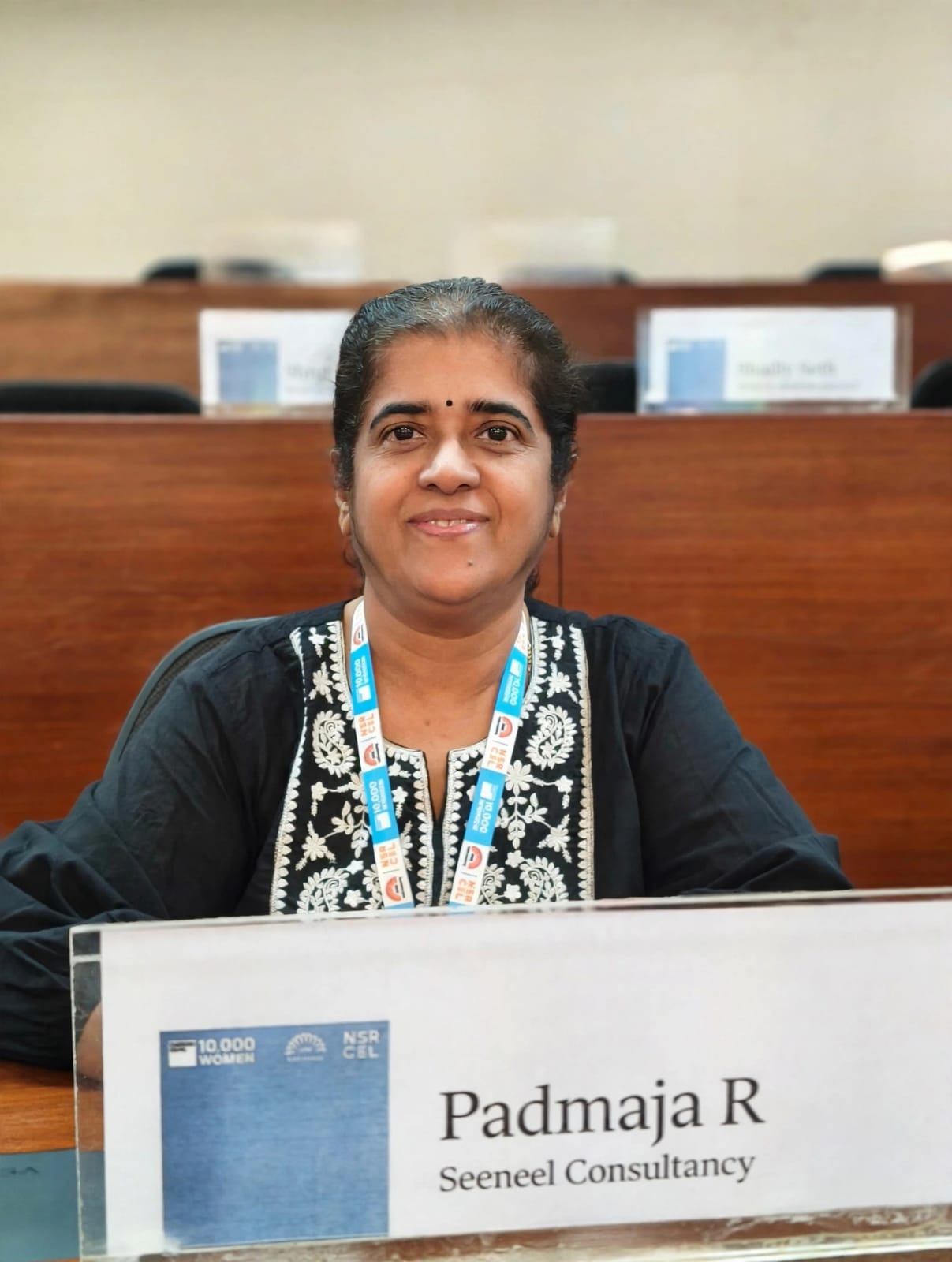
In an exclusive interaction with The Interview World at the World Futures Forum, organized by India SME Forum in partnership with WeDO, Shivam Pitaria, Founder and CEO of Dexter Tech Labs, articulates the strategic capabilities of his AI platform. He details its advanced features and demonstrates how it empowers MSMEs to automate critical business functions. Furthermore, he explains the platform’s workflow automation architecture, clarifies the scope and necessity of human intervention, and shares adoption metrics across MSMEs. Finally, he outlines a five-year innovation roadmap that signals the company’s next phase of technological advancement. The following are the principal insights from this substantive conversation.
Q: What innovative features has Dexter Tech Labs launched, and how are you enabling MSMEs to effectively automate their business operations?
A: We have developed a Voice AI solution that automates the entire telecalling lifecycle, across sales, customer support, HR recruitment, and collections. However, we do not limit automation to voice interactions alone. Instead, we orchestrate the complete operational workflow end to end.
To begin with, the system identifies and segments the right customer cohorts before initiating any call. It analyzes predefined criteria, selects priority leads, and schedules outreach intelligently. Subsequently, it executes the call with contextual accuracy and conversational precision.
Equally important, the automation extends beyond the call itself. After each interaction, the platform triggers structured follow-ups through WhatsApp and email. At the same time, it records outcomes, updates the CRM system in real time, and ensures data continuity across channels. Consequently, organizations gain a seamless, closed-loop telecalling ecosystem that reduces manual intervention while increasing speed, consistency, and accountability.
Q: Are your workflows fully automated end-to-end, or do they require human intervention at specific stages for oversight and exception handling?
A: Our solution operates autonomously; however, in sales-led scenarios, we apply a structured hybrid model. The AI manages the entire front-end engagement process, while human agents intervene selectively at high-value inflection points.
For instance, if an organization must execute 1,000 outbound calls per day, the AI agent conducts the full cold-calling cycle, initiation, qualification, and primary engagement, without manual involvement. It evaluates responses in real time, filters prospects based on predefined qualification criteria, and identifies high-intent leads.
Subsequently, it shortlists genuinely interested prospects, often a focused subset, such as 50 qualified customers, and routes those conversations to human agents. At this stage, sales professionals assume control to deepen engagement, negotiate terms, and close transactions.
Therefore, while AI executes the scale-intensive and repetitive workload, humans drive strategic decision-making and relationship building. In effect, we implement a deliberate human-in-the-loop architecture that combines automation efficiency with human judgment and persuasion.
Q: How does your solution empower MSMEs to reduce operational costs while simultaneously enhancing efficiency, productivity, and overall business performance?
A: Our solution addresses all three challenges, cost, optimization, and efficiency, with measurable precision.
First, it materially reduces operating costs. Organizations no longer need to maintain large telecalling teams. Instead, a single AI agent can execute tens of thousands of calls per day at a fraction of traditional staffing costs. Because the system operates autonomously, it eliminates salary overheads, training expenses, and infrastructure burdens. Consequently, businesses achieve significant cost compression without compromising output.
Second, it optimizes performance consistency. Human agents cannot sustain the same energy, tone, and enthusiasm across hundreds of calls. Fatigue inevitably affects delivery quality. In contrast, the AI agent approaches every interaction as if it were the first—consistent in tone, compliant in messaging, and precise in execution. Moreover, telecalling functions such as sales and support experience high attrition rates. By automating repetitive outreach, the system mitigates workforce volatility and ensures operational continuity.
Third, it enhances executional efficiency. Cold calling, in particular, is a task many professionals avoid due to its repetitive and rejection-heavy nature. The AI assumes this workload without hesitation. Furthermore, it automates structured follow-ups, updates CRM systems instantly, and triggers subsequent actions within seconds. Unlike human agents, who require time to log calls, draft follow-ups, and update records, the AI completes these tasks in near real time.
In effect, the platform reduces cost, stabilizes operations, and accelerates workflows simultaneously—transforming telecalling from a labour-intensive function into a scalable, intelligent system.
Q: How many MSMEs have already deployed and actively adopted your solution?
A: We are currently executing multiple pilots across diverse industry verticals, thereby validating the platform in real-world environments.
To begin with, a real estate firm that operates a 40-member telecalling team is conducting an active pilot with our solution to enhance outreach efficiency and cost optimization. At the same time, an electric vehicle manufacturing company has deployed our platform to streamline its customer support operations, improve response consistency, and reduce turnaround times.
In parallel, several HR staffing firms are leveraging the solution to automate candidate screening and preliminary qualification processes. This deployment enables faster shortlisting while maintaining structured evaluation standards.
Moreover, we are in advanced discussions with fintech companies that manage loan collections through extensive MSME partner networks. These firms intend to implement our collections automation module to improve recovery workflows, ensure consistent follow-ups, and scale operations across hundreds of MSME-linked accounts.
Collectively, these pilots and ongoing engagements demonstrate the platform’s cross-sector applicability and its ability to deliver measurable operational impact across sales, support, HR, and financial services use cases.
Q: What is your five-year roadmap for expanding and enhancing the existing platform?
A: We are currently engaging closely with clients to refine and expand the platform’s strategic impact. Through these discussions, they are identifying additional use cases that can evolve the solution from an operational tool into a measurable business accelerator.
Accordingly, we are shifting the focus from isolated task automation to tangible business outcomes. In sales, for example, the platform must not merely place calls; it must generate qualified interest and improve conversion rates. In customer service, it must not simply resolve queries; it must elevate customer satisfaction and strengthen NPS.
Therefore, we are engineering the solution to align directly with revenue growth and cost optimization objectives. In practical terms, it should either expand the top line by improving lead quality and conversion performance, or compress operating costs through intelligent automation, or ideally, achieve both simultaneously.