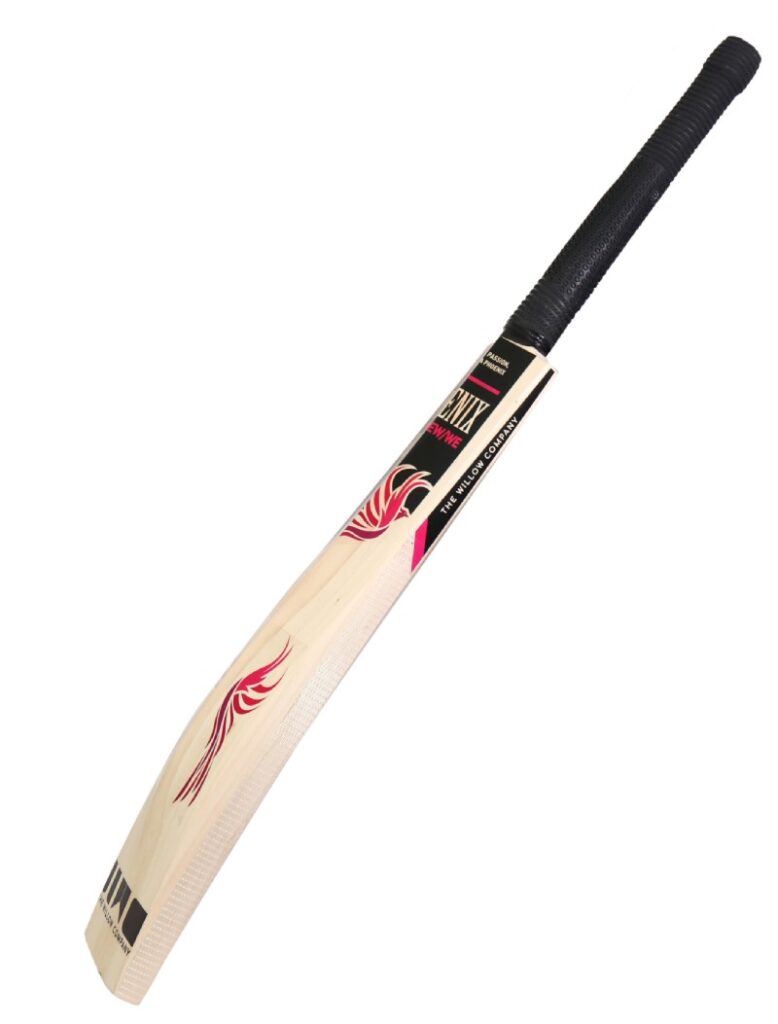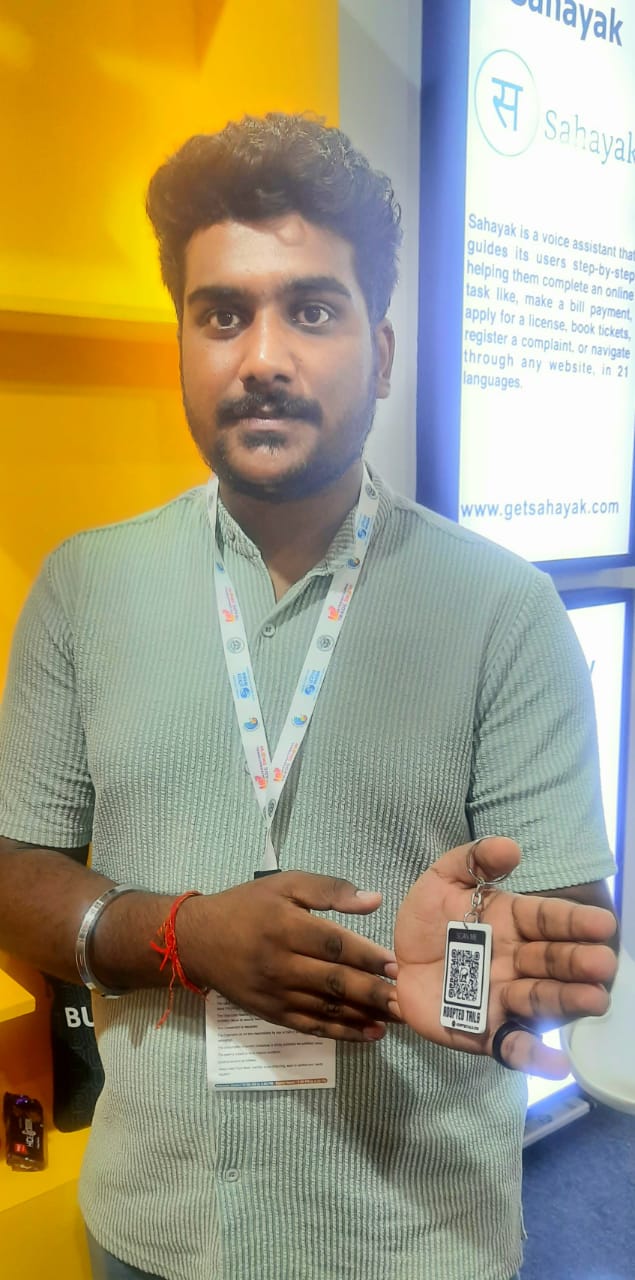


The Willow Company (TWC) operates as a cricket equipment and lifestyle brand anchored in craftsmanship, performance, and authenticity. Spearheaded by Shruti Gupta, the first women entrepreneur in the cricket domain, TWC produces high-quality cricket gear by fusing time-honoured bat-making techniques with contemporary design sensibilities. Moreover, it prioritizes precision, user experience, and durability, thereby serving both amateur and professional players with equal rigor. Driven by a deep-rooted passion for the sport, the company delivers equipment that not only enhances on-field performance but also reflects the enduring heritage of cricket. At the same time, it integrates artisanal expertise with a customer-centric philosophy, and as a result, creates sporting products that are both reliable and distinctly differentiated.
In an exclusive interaction with The Interview World, Shruti Gupta, Founder & Director, The Willow Company, outlines the markets witnessing the strongest growth in cricket bat demand. She further clarifies the positioning of English willow and Kashmir willow bats, while also detailing the mechanisms she uses to safeguard supply chain integrity and reinforce brand credibility. In addition, she identifies structural gaps in the cricket gear market, which strategically position The Willow Company as a credible challenger brand. Finally, she articulates the pathway to achieving the company’s ambitious vision of placing “one in every hundred bats globally.”
The following are the key insights from this incisive conversation.
Q: Which markets are showing the highest growth in cricket bat demand, and why?
A: Growth is not occurring where most legacy brands are looking. It is not driven by professionals; it is powered by the serious, everyday cricketer. This segment is vast, engaged, and discerning. These players compete regularly, follow the game closely, and actively seek higher-quality equipment. Yet, the market continues to underserve them.
They reject inflated prices tied to brand labels; however, they also refuse to compromise on quality. Consequently, the mid-market, long neglected, is expanding at pace. At the same time, cricket’s rapid adoption across emerging regions, particularly in the United States and Europe, is accelerating global demand.
Therefore, the opportunity is unambiguous: build for the 99% of cricketers, not just the visible 1% on television.
Q: How do you position English willow and Kashmir willow bats strategically, given their price-performance perceptions in the market?
A: Most brands overcomplicate this distinction; we do not. We keep it precise and deliberate. Kashmir willow represents access, while English willow represents performance. Kashmir willow introduces players to the game; therefore, it must be durable, affordable, and reliable. In contrast, English willow elevates the experience, it delivers superior pickup, refined feel, and markedly better performance.
We do not blur this boundary, nor do we oversell one as the other. Instead, we define it clearly and communicate it consistently. As a result, the strategy compounds: you acquire the customer at Kashmir willow, and then you deepen the relationship through English willow.
Q: Given global constraints around high-quality willow and the trust issues in sourcing “authentic English willow,” how do you ensure supply chain integrity and brand credibility?
A: The industry has a trust deficit. Too much noise surrounds grades, grains, and English willow, and much of it lacks accuracy. We take a different approach: we do not attempt to out-market the problem; we out-transparency it.
We prioritize consistent sourcing, enforce honest grading, and communicate with precision. We avoid exaggerated claims and reject inflated labels. Instead, we underpromise slightly and overdeliver consistently. As a result, we build credibility the only way that endures, not through marketing, but through product truth. Ultimately, the test is simple: the customer picks up the bat and says, “This is exactly what I expected.”
Q: What structural gaps did you identify in the cricket gear market that allowed you to position The Willow Company as a challenger brand?
A: Several issues stand out, and they are not subtle. First, pricing and value are frequently misaligned; customers often pay for legacy rather than performance. Second, the customer base remains underinformed, and the industry has made little effort to address this gap. Third, the experience has not evolved; it remains largely offline, transactional, and disengaging.
We approached the market with a clear mandate to correct these failures. We chose transparency over opacity. We prioritized value over brand mythology. And, critically, we engaged the everyday cricketer rather than centering the narrative on professionals alone. As a result, we created meaningful differentiation, and, with it, sufficient headroom to build a credible challenger brand.
Q: How will you realistically achieve the vision of “one in every hundred bats globally”?
A: This is a scale game anchored in fundamentals. India delivers volume. Markets such as the UK and Australia confer credibility. Meanwhile, the United States and the Middle East drive incremental growth. We are building across all three, deliberately and in phases.
At the same time, we are investing heavily in clubs, academies, and repeat players, because that is where true stickiness forms. We are also unequivocal on one point: we are not here to sell a one-time product. Instead, we aim to become the brand a player stays with, from beginner to serious cricketer.
When you execute this lifecycle at scale, outcomes follow naturally. The “one in a hundred bats” metric ceases to be aspirational; it becomes an operational byproduct.
We are not trying to be the loudest brand in cricket; we are building the most trusted one. In this category, trust represents the larger, and more durable, opportunity.