
Plastic-ScrapWala is an Indian technology platform that empowers the plastic recycling ecosystem by seamlessly connecting stakeholders across the recycled polymer value chain. It delivers real-time market intelligence, domestic and international price updates, industry news, live buy-and-sell listings, a comprehensive business directory, and direct access to machinery and equipment suppliers. Through this integrated digital ecosystem, the platform enables businesses to make informed decisions, expand market reach, and accelerate growth. More importantly, it promotes transparency, strengthens collaboration, and streamlines trade across the industry. As a result, Plastic-ScrapWala plays a pivotal role in increasing plastic recycling while advancing India’s circular economy and long-term sustainability objectives.
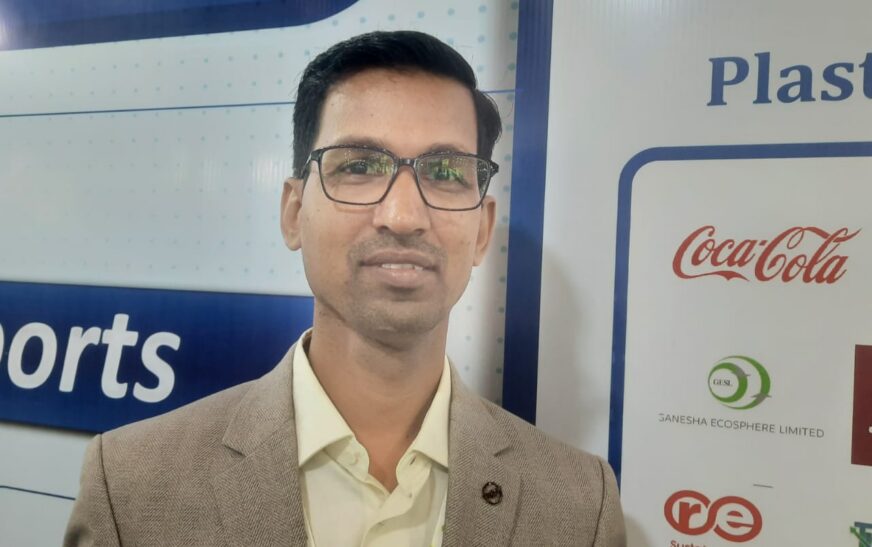
In an exclusive conversation with The Interview World during the 3rd GCPRS 2026, Sandeep Kumar Soni, Founder of Plastic-ScrapWala, shares the vision that inspired the platform’s creation and explains how it facilitates business transactions across the recycling value chain. He also offers his perspective on the future trajectory of India’s plastic recycling industry, clarifies the concept of virgin plastic, and explains how it differs from recycled plastic. Presented below are the key insights from this thought-provoking discussion.
Q: What inspired the creation of the Plastic-ScrapWala platform?
A: Plastic-ScrapWala began as a market intelligence platform designed to serve the plastic recycling industry. Today, recyclers who convert plastic scrap into recycled granules rely on the platform as a trusted benchmark for market prices. It provides timely updates on plastic scrap prices, recycled plastic granule prices, and actionable market intelligence. In addition, the platform features an integrated marketplace where buyers and sellers connect seamlessly to trade recycled materials and related products.
Q: Can you quantify the scale of the Plastic-ScrapWala platform, including its market size, transaction volume, and the overall economic value?
A: Plastic-ScrapWala serves the plastic recycling market across India by combining market intelligence with a robust digital marketplace. Every day, the platform receives buy-and-sell offers involving thousands of tonnes of recyclable plastic, enabling market participants from across the country to connect and conduct business efficiently. Although the platform cannot accurately quantify the total value of transactions completed between buyers and sellers, the secondary plastics market generates business worth several lakhs and crores of rupees, reflecting the industry’s substantial scale and commercial potential.
Q: How do you see the future growth of the plastic recycling industry?
A: The industry’s growth potential is immense because sustainability is no longer an option; it is the future. As environmental awareness continues to grow, industries and consumers alike are embracing responsible resource management. Consequently, we must use natural resources judiciously and manage the materials we consume with greater care and responsibility to ensure a more sustainable future.
Q: What is meant by virgin plastic, and how does it differ from recycled plastic?
A: Virgin plastic is produced from crude oil, whereas recycled plastic is manufactured by processing post-consumer or post-industrial plastic waste. Naturally, virgin plastic has traditionally commanded a higher price than recycled plastic, much like the price difference between a brand-new car and a pre-owned one. However, the comparison ends there. Thanks to significant advances in recycling technologies and quality control, recycled plastic today can deliver performance comparable to that of virgin material for many applications. As a result, it has emerged as a viable and cost-effective substitute for virgin plastic. Consequently, an increasing number of manufacturers are replacing virgin granules with high-quality recycled granules to reduce costs, improve resource efficiency, and meet their sustainability commitments.