

NIMS University, a multidisciplinary institution spanning medicine, dentistry, nursing, engineering, management, and social sciences, is leading the integration of artificial intelligence into healthcare and governance. Through the NIMS – Marik Institute of Computing, Robotics, AI, and Cybernetics, established in collaboration with the Czech Republic, the university advances global AI research across 16 specialized laboratories. Meanwhile, the NIMS Institute of Public Health and Governance, just two years old, has rapidly become a hub for international health initiatives, including hosting the World Health Summit Regional Meeting. From predictive analytics in cancer and tuberculosis to mobile AI-equipped medical units, NIMS University consistently transforms research into real-world solutions, shaping global health strategies and establishing itself as a premier think tank.
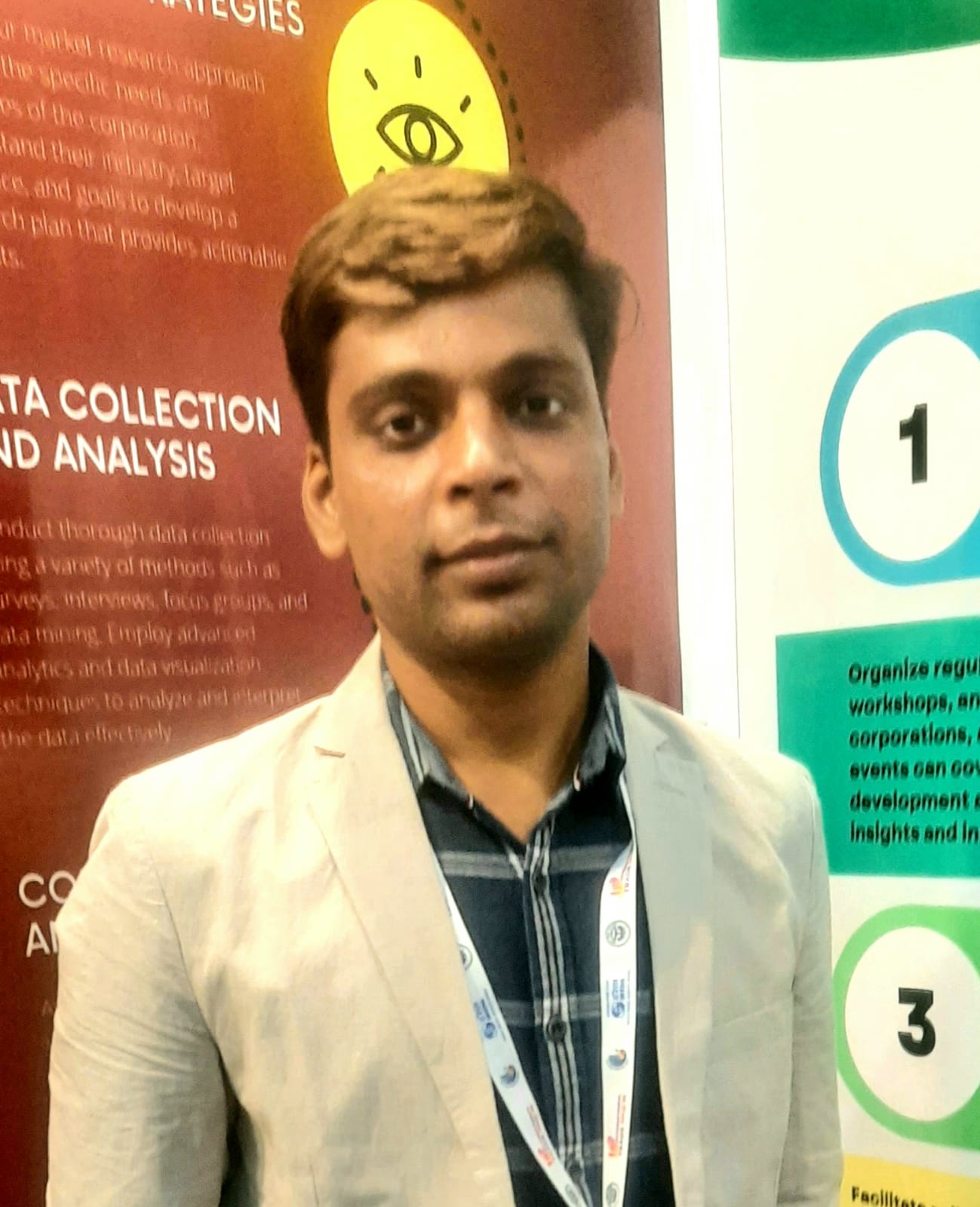
In an exclusive conversation with The Interview World at the Winter Dialogue on Responsible AI for Synergistic Excellence (RAISE), hosted by the NIMS Institute of Public Health and Governance at NIMS University Rajasthan, Dr. Sanjay Pattanshetty, Professor and Director of the institute, shared how NIMS University is fostering collaboration with leading global institutions to accelerate AI research and innovation. He offered insights into the university’s latest breakthroughs at the intersection of AI and healthcare and outlined his vision for advancing AI across academics, research and development, and innovation over the next five to ten years.
The following are the key takeaways from his compelling conversation.
Q: Could you provide details on the advancements NIMS Institute of Public Health and Governance has made in the field of AI, and explain how it is collaborating with global institutions in this domain?
A: NIMS University is a multidisciplinary institution with faculty across medicine, dentistry, nursing, engineering, management, and social sciences. Its diverse academic ecosystem fosters collaboration across disciplines, enabling innovation in both education and research.
The newest addition, NIMS – Marik Institute of Computing, Robotics, AI, and Cybernetics, was established in partnership with the Czech Republic. This collaboration has already strengthened our work in artificial intelligence, with over 16 dedicated laboratories advancing AI research, education, and practical applications.
Similarly, the NIMS Institute of Public Health and Governance, launched just two years ago, has quickly positioned itself as a hub for global health initiatives. The institute successfully hosted the World Health Summit Regional Meeting in collaboration with international partners, setting a strong foundation for future endeavours.
Building on this momentum, we are actively exploring the intersection of artificial intelligence and health. In particular, we are examining how global health strategies and international health diplomacy can shape the development, deployment, and delivery of AI solutions worldwide.
Q: Could you elaborate on the translational research being conducted at NIMS University, including the number of patents filed and those that have been granted?
A: As I mentioned, the institute is still in its early stages, and much work remains underway. However, over the next five years, we are committed to advancing rapidly and establishing ourselves among the top institutions in our field, especially in research and innovation.
Q: Could you share insights into the latest research conducted by NIMS University at the intersection of AI and healthcare?
A: At our medical college, we are conducting research in areas such as predictive analytics for cancer care and tuberculosis. A key initiative is our medical equipment van, equipped with AI-enabled devices, which travels to villages to facilitate early detection. This mobile platform integrates seamlessly with AI-driven data analytics, ensuring that the communities contributing data directly benefit from timely interventions and healthcare solutions.
Q: How does NIMS Institute of Public Health and Governance envision its growth over the next five to ten years in advancing AI across academics, research and development, and innovation?
A: We aim to establish ourselves as a leading health think tank. To this end, we have launched the Global Health Exchange for Action. Beyond advancing education and research in AI, we strive to convene dialogues across multiple sectors and stakeholders, ensuring that high-quality research translates into practical solutions. Ultimately, our goal is for communities to become direct beneficiaries of all our initiatives.