

Christiani Sharpline Technical Training Pvt. Ltd. (CSTT) is a force in India’s technical-skills landscape, an Indo-German partnership forged in 2008 between Christiani of Germany and Sharpline Automation of India. Operating from Navi Mumbai, CSTT confronts the nation’s skill gap with purpose, building world-class training environments designed to spark hands-on competence and industry readiness.
Its portfolio is deliberately advanced and future-leaning: Industry 4.0, automation, mechatronics, electronics, mechanical engineering, automotive technologies, and renewable energy. Yet CSTT goes beyond delivering instruction. It architects fully equipped, turnkey training laboratories that transform schools, institutions, and industries into modern, future-ready learning ecosystems.
CSTT delivers rigorous, certification-focused programs in CNC, PLC, mechatronics, and automation. Its centres in Mumbai, Chennai, and Pune run high-impact courses across PLC programming, HMI/SCADA, drives, CNC operations, and even elevator technology. Simply put, CSTT doesn’t keep pace with industry standards—it pushes them forward.
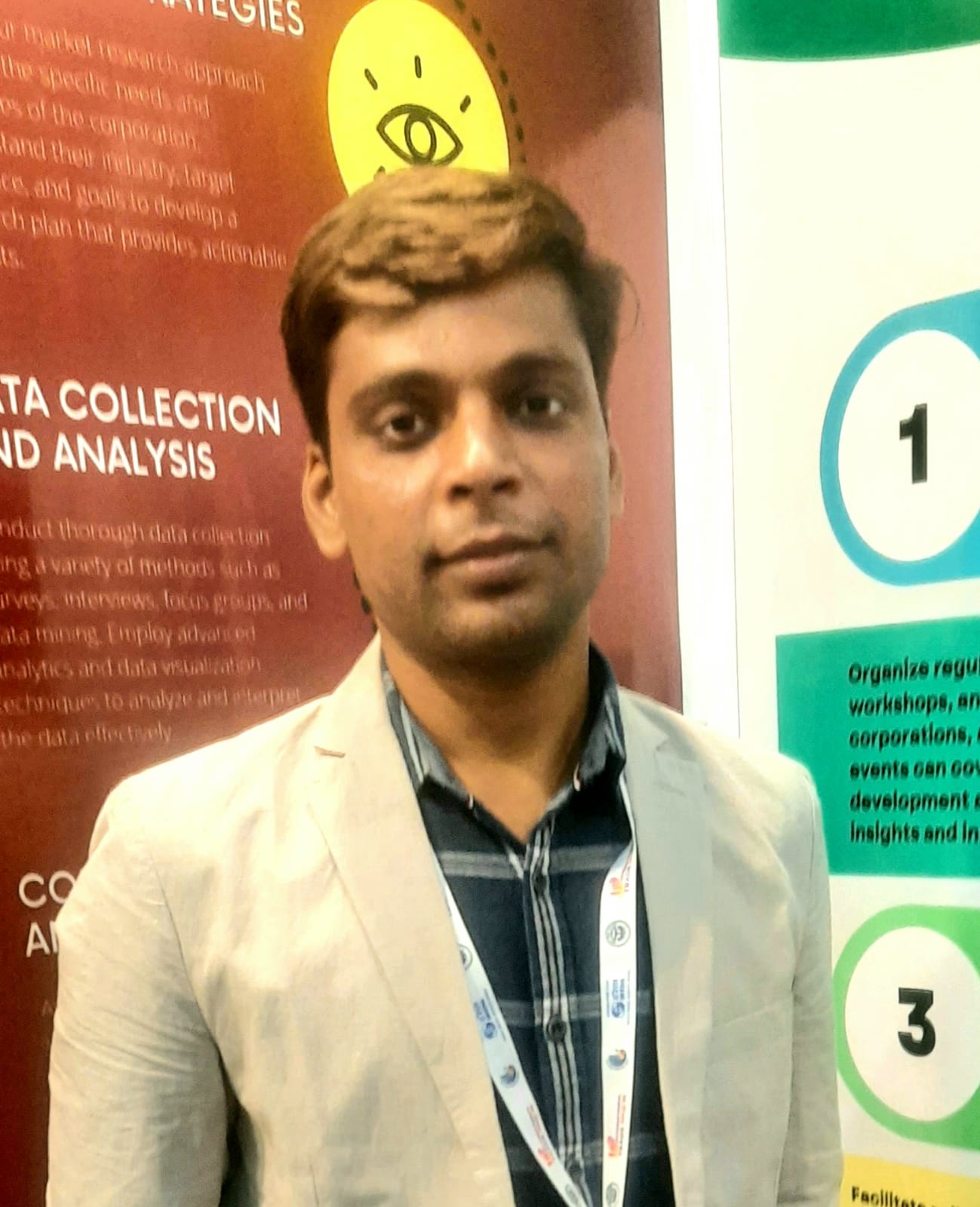
In an exclusive conversation with The Interview World at DIDAC India 2025, Mohan S. Iyer, General Manager of CSTT, sheds light on the organisation’s technical-skills offerings for educational institutions and technology companies across India. He also discusses the growing number of colleges and universities adopting CSTT’s skill-development programs, explains how core engineering competencies can help learners and professionals thrive in an AI-driven era, and outlines the opportunities he sees for technical-skill development in India over the next 5–10 years.
The following insights capture the essence of this compelling discussion.
Q: What technical skills do you provide to educational institutions and tech companies in India?
A: To introduce Christiani, we are a 95-year-old organization with deep roots in vocational skilling and the technology sector. We deliver end-to-end solutions across a wide spectrum of technologies, from mechanical, electrical, and electronics to automation, Industry 4.0, IoT, robotics, and automotive technology. Our offerings span foundational skills to advanced domains such as electric vehicle technology, as well as practical disciplines like plumbing, HVAC, RAC, and solar technology. We also cater to schools, ensuring skill development starts early.
At the core of our approach, we design complete Centers of Excellence, equipped with laboratories, learning materials, structured content, and a robust pedagogy. We train instructors in the German system of learning, which emphasizes hands-on, practical engagement. This methodology ensures that learners not only understand theory but also gain real-world competence.
India presents immense skilling opportunities, particularly in precision engineering, a field where German expertise is highly valued. Christiani is strategically positioned to support these initiatives and collaborate with government programs aimed at bridging the skills gap.
Consequently, our solutions are highly adaptable and scalable, serving schools, ITIs, polytechnics, engineering colleges, universities, and industries alike. We do not just deliver training; we build future-ready ecosystems that prepare learners and organizations for the demands of tomorrow.
Q: Industry reports indicate that nearly 65% of Indian engineers are not job-ready. How is your organization addressing this challenge?
A: As I mentioned, our modules focus on building practical, hands-on skills. Each module is designed to deliver 70% practical training and 30% theoretical knowledge.
For engineers and the workforce engaging with these programs, the outcome is clear: they gain real, industry-ready skills and develop familiarity with the systems they will operate. Essentially, we recreate an industrial environment within a college or training setting, allowing learners to experience the workplace before entering it. In short, we bridge the gap between classroom learning and real-world industry demands.
Q: How many colleges and universities in India currently use your technical skill development solutions?
A: We implement our programs across the country. For instance, we have partnered with around 20 colleges in Gujarat, several institutions in Tamil Nadu, and multiple organizations in Maharashtra, where our headquarters are located. In Karnataka, we work closely with Visvesvaraya Technological University to deliver tailored solutions. Depending on each client’s needs, we customize our offerings to provide precise, impactful outcomes.
Q: Given the growing influence of AI across industries, how do your programs support engineers and technical professionals in adapting to, and thriving amid, these disruptions?
A: Our core focus is on fundamental subjects such as mechanical technology, electrical engineering, and automation, the very backbone for advanced fields like AI and machine learning. Without a strong foundation in these fundamentals, leveraging AI effectively is nearly impossible.
We start by delivering this essential knowledge, enabling students to build a solid base. Once grounded in the fundamentals, they can seamlessly expand into AI and related technologies. This approach equips learners with a clearer perspective, helping them understand and navigate their future career paths with confidence and purpose.
Q: How do you view the Indian market over the next 5–10 years, particularly in the area of technical skill development?
A: The Indian market holds immense potential, especially in light of the Government of India’s initiative to grade 1,000 ITIs across various skill sets. This effort highlights the urgent need for structured, technology-driven skilling solutions nationwide. I see a significant opportunity to introduce comprehensive training systems across multiple domains. Of course, the key lies in effective implementation—and we are well-positioned to support these initiatives, ensuring they deliver maximum impact.