
Elementar India Pvt. Ltd., headquartered in Gurugram, Haryana, stands at the forefront of advanced analytical instrumentation. Founded in 2016 as a wholly owned subsidiary of Elementar Analysensysteme GmbH, the company leverages more than a century of domain expertise in elemental analysis. It delivers a comprehensive portfolio of high-performance solutions, including CHNOS analysers, isotope ratio mass spectrometers, and total organic carbon (TOC) systems, while also providing essential consumables and end-to-end services. Moreover, it serves a diverse set of sectors, ranging from research and agriculture to energy and manufacturing, through a robust nationwide sales and service network. As a result, Elementar India enables precise, reliable, and high-fidelity analysis across both scientific and industrial applications.
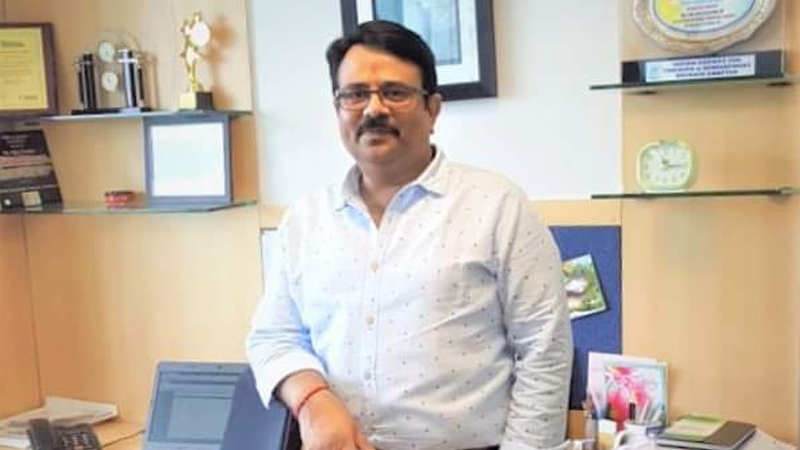
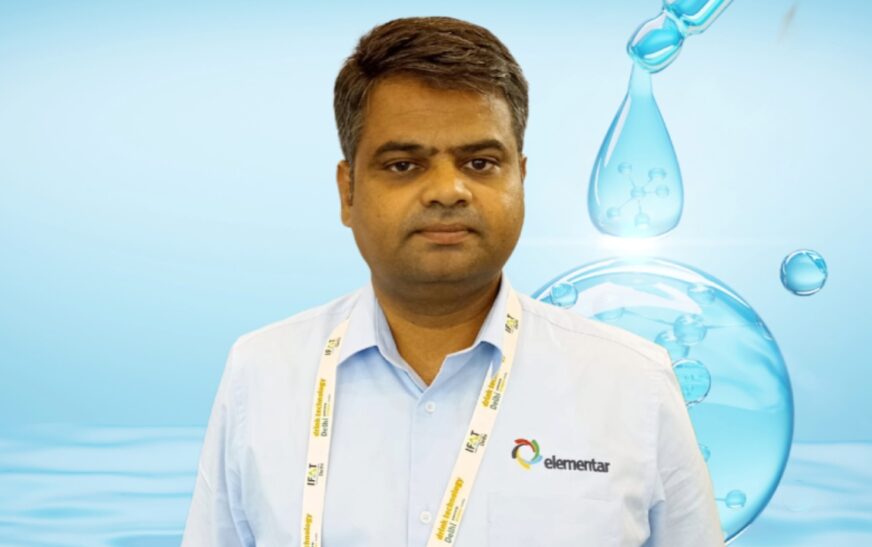
In an exclusive interaction with The Interview World at IFAT Delhi 2026, Narasimha Murthy, Senior Area Sales Manager at Elementar India Pvt. Ltd., articulates the company’s advanced solutions for water and wastewater analysis. He further examines how these technologies address critical industry challenges, evaluates the emerging market opportunities in India, and identifies the key sectors driving adoption. In addition, he outlines the company’s innovation priorities and strategic roadmap for the next five to ten years. The following are the key insights from this in-depth and thought-provoking discussion.
Q: What specific solutions and technologies does Elementar India provide for water and wastewater analysis, and what use cases do they address?
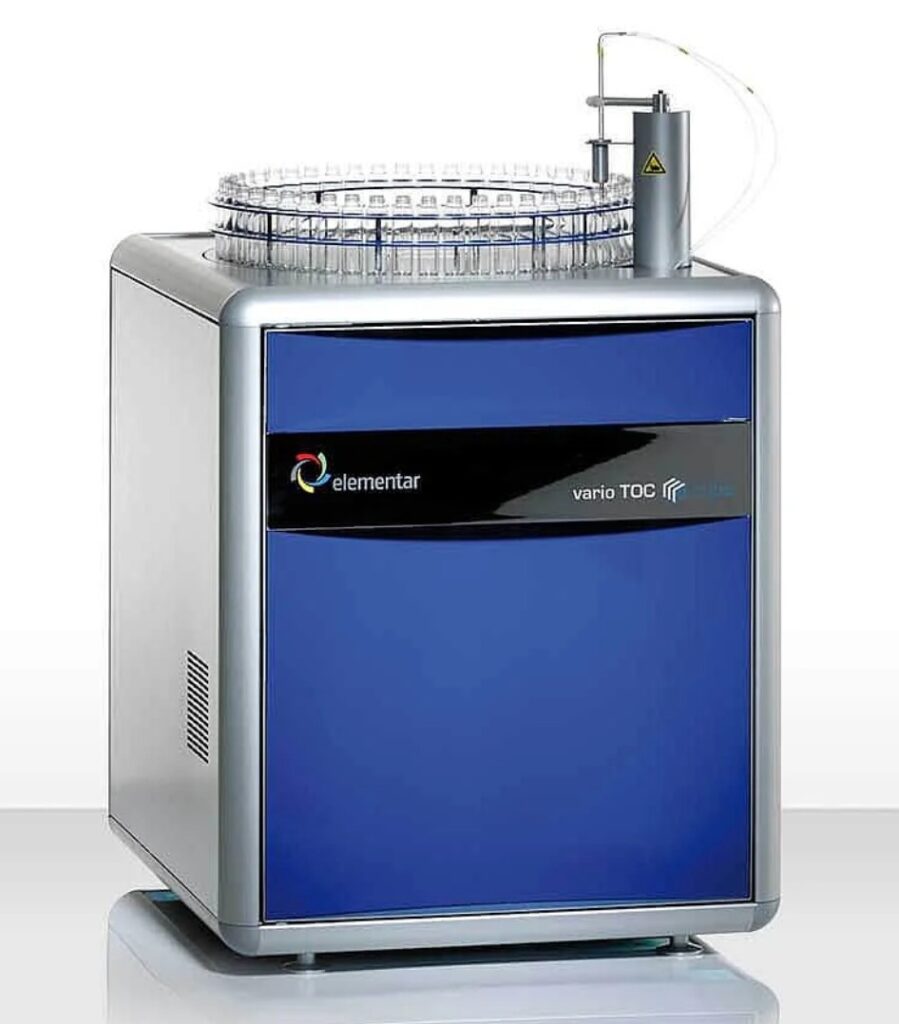
A: Elementar designs and manufactures advanced CHNOS analysers and TOC analysers for the water and wastewater domain. These systems accurately measure total organic carbon (TOC) in wastewater, treated water, and pharmaceutical-grade water. As a result, they support a broad spectrum of water treatment applications.
To address varied operational requirements, Elementar offers three distinct models. First, it provides a dedicated system for pharmaceutical applications, where compliance and precision are critical. Next, it offers a versatile model suitable for both pharmaceutical and non-pharmaceutical use cases. Finally, it delivers a robust solution tailored specifically for environmental applications, ensuring reliable performance across diverse field conditions.
Q: How does your product address the key challenges faced by the industry?
A: Total organic carbon (TOC) serves as a critical control parameter across industries. In the pharmaceutical sector, it assumes even greater importance because manufacturers must rigorously prevent organic contamination, particularly in injectable water systems. Consequently, they implement stringent treatment processes to eliminate any trace of organic material and ensure full regulatory compliance.
Similarly, in environmental applications, organizations must adhere to defined pollution norms that strictly limit the permissible concentration of organic carbon, typically within specified ppm thresholds. If TOC levels exceed these limits, operators must retreat the water before discharging it into the environment. Therefore, industries rely on TOC analysis at multiple stages, both to validate treatment efficacy and to maintain compliance. These use cases collectively define the core application areas for Elementar’s TOC solutions.
Q: What specific market opportunities do you foresee in India?
A: Across industries, pollution manifests in multiple forms: water, air, and even within manufacturing processes. Therefore, the primary focus remains on industrial operations, where the environmental impact is both significant and measurable.
Before discharging wastewater into the environment, industries must treat it in accordance with regulatory standards. Moreover, when they choose to recycle and reuse the same water, they must ensure consistent quality at every stage. In this context, total organic carbon (TOC) emerges as a critical parameter, as it enables precise monitoring of organic contamination and validates the effectiveness of treatment processes.
Q: Which industries are currently leveraging your solutions?
A: We serve a broad spectrum of sectors, beginning with core industries and extending to the education sector, research and R&D institutions, and oceanography. Moreover, we support a diverse client base across these domains. As a result, we address a wide range of analytical requirements with precision and consistency.
Q: What are your key innovation priorities and roadmap over the next 5–10 years?
A: We design these instruments in strict alignment with prevailing regulatory norms. As standards evolve, we respond proactively by advancing our technologies and refining our solutions. Consequently, we continuously introduce innovations that meet, and often exceed, market and compliance expectations.