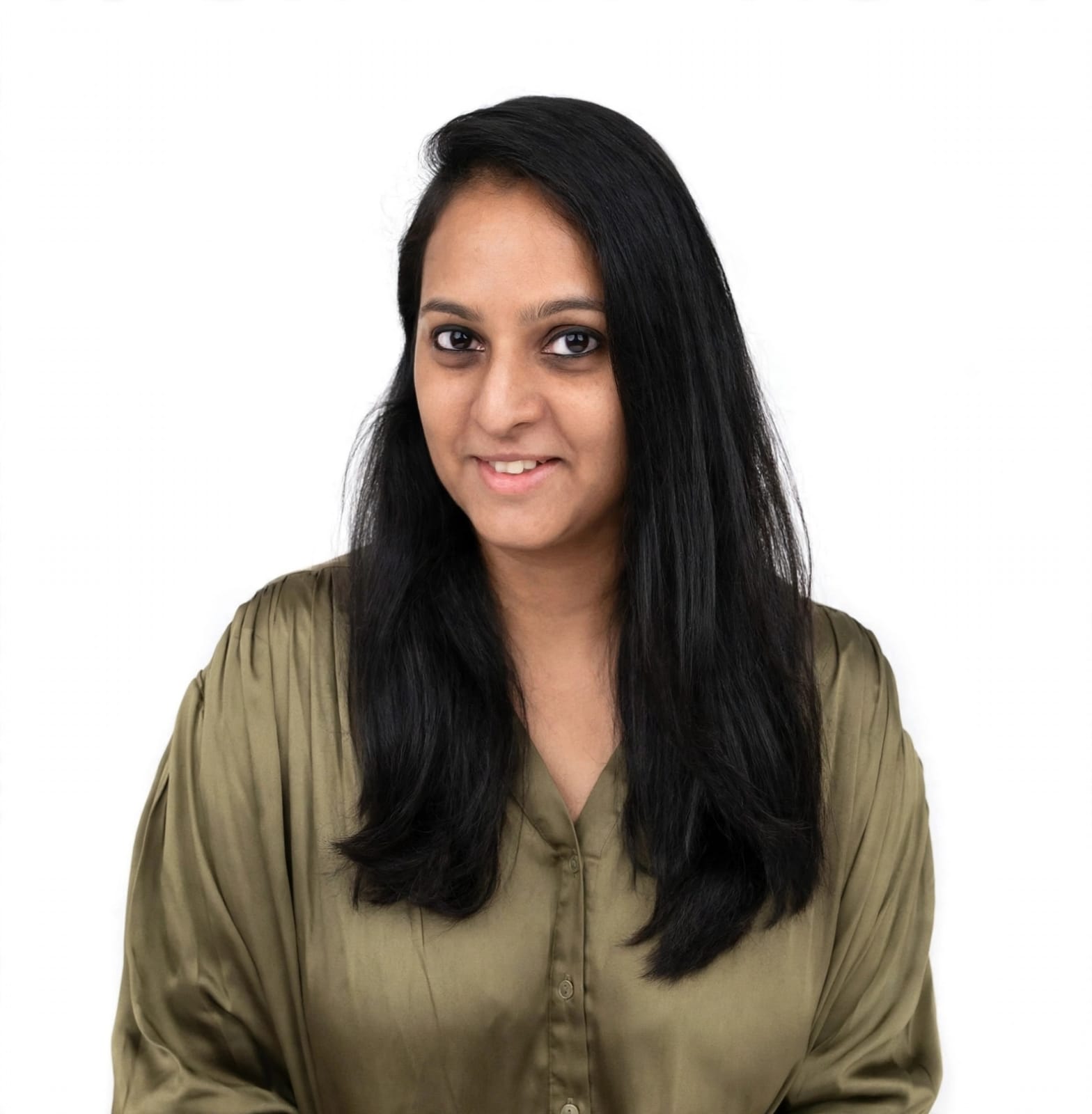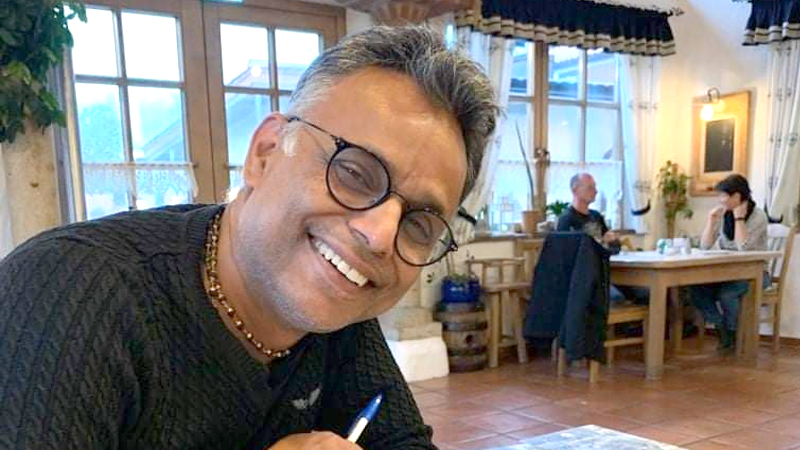


Kavita Rajput is a contemporary Indian artist and illustrator whose practice commands attention through vivid colour, assertive form, and layered visual narratives. Based in Delhi, she maintains an active presence in the city’s cultural circuit, exhibiting her paintings extensively in both group and solo shows at prominent venues, including the Gandhi Darshan Art Gallery in New Delhi. Her paintings fluidly integrate oil, acrylic, pen, and charcoal, while drawing deeply from cultural memory and contemporary sensibility. Through this synthesis, Rajput foregrounds emotion, rhythm, and pattern, creating paintings that resonate as both intimate and instant. At the same time, she sustains an engaged dialogue with audiences via exhibitions, digital platforms, and active participation in Delhi’s broader art community. Consequently, her paintings, rooted in personal narrative yet aligned with contemporary aesthetics, have secured her a distinct and growing presence within India’s modern art landscape.
In an exclusive conversation with The Interview World at Shabdotsav 2026, Kavita Rajput articulates the conceptual and technical foundations of her practice with clarity and conviction. She reflects on the subjects that anchor her work, critically evaluates the quality and thematic direction of the paintings showcased at such platforms, and situates contemporary Indian paintings within a global context. Moreover, she offers a nuanced assessment of how Indian artists navigate, respond to, and diverge from international trends.
The following are the key insights drawn from this compelling and thought-provoking exchange.
Q: Could you share the inspiration and artistic approach behind this painting?
A: I am participating in Shabdotsav 2026, a festival of stories, music, ideas, and Bharat, as an independent painter. At this platform, I present one of the Five Transformations, a work shaped entirely by my own vision and sustained by a creative energy that has flowed uninterrupted through ages. To embody this continuity, I begin with the first avatar. In my painting, I render the fish, Matsya, an ancient symbol of origin and preservation, and I reintroduce it to the present through a contemporary visual language.
Through this work, I affirm India as a complete civilization, one that embraces the world as a single family. The Tricolour becomes my central metaphor. Within it, the full arc of our culture and civilization unfolds. Saffron stands for the Rishis and Munis, for knowledge, sacrifice, and spiritual resolve. White signifies our faith in spirituality and our collective pursuit of liberation. Green speaks of reverence for life, for nature, and for the act of worship itself. In this balance of colours, values, and belief systems, the Tiranga articulates its meaning without excess or explanation.
This ethos, I believe, is singular. No other nation carries such a civilizational depth in its symbols. Our land nurtures sages and scholars, scientists and farmers, thinkers and creators. It produces artists who earn global recognition, yet remain rooted in indigenous wisdom. Therefore, pride must begin within. Only when we recognize our own inheritance can we present an authentic vision of our country to the world.
This conviction forms the foundation of my work. Through this painting, I seek not only to represent India, but to reaffirm belief in who we are, and who we have always been.
Q: What themes or subjects do you primarily explore in your work?
A: Within my signature visual language, I seek to reveal our enduring connection to an infinite energy, an energy that is, in essence, our history and enigmatic evolution. This force does not exist in abstraction. It manifests through Shiva, Parvati, and Shri Ram. These are not imagined figures relegated to mythology; they are historical presences, too often diminished by being mislabelled as ancient stories.
History leaves traces. The discovery of Ram Setu affirms this continuity. It confirms that Shri Ram walked this earth, lived within time, and shaped a living legacy. Consequently, we are not observers of that legacy; we are part of it. Even in eras when written records eluded us, this knowledge endured. Our Rishis and Munis carried it forward through oral transmission, discipline, and unwavering belief. From them, an infinite faith took root quietly, deeply, and collectively.
That faith persists because it lives within us. It binds us to the same energy that once animated those lives and now propels our own. In my paintings, I translate this connection into an energy cycle, a continuous flow that moves through past, present, and future. Through this cycle, I depict our onward movement, guided not by nostalgia, but by awareness.
Therefore, my work ultimately gestures toward responsibility. As we move forward, we must carry this energy consciously and present ourselves with intention. Even amid complexity and change, the journey ahead demands a positive, affirming message, one grounded in continuity, belief, and forward momentum.
Q: How would you assess the quality, themes, and artistic directions of the paintings presented at such events?
A: Language relies on shared literacy. Only those who know its codes can fully grasp what is spoken. Painting, however, transcends that limitation. Even in the artist’s absence, the work continues to speak. It articulates meaning through form, colour, and symbol without requiring explanation.
These symbols carry collective memory. They are instantly recognizable and deeply felt. The lotus, for instance, signifies knowledge and awakening. Drawing from such visual lexicons, I anchor my work in the symbols of our country. In doing so, I ensure that the painting remains legible and resonant, even when I am not physically present to interpret it.
This is precisely why gatherings like Shabdotsav matter. When large and diverse audiences converge, through paintings, poetry, music, and ideas, something transformative occurs. One encounters a thought, an image, or a voice that has the potential to alter one’s inner direction. Such convergence generates a rare and affirmative energy.
This exchange cuts across generations. Whether among young minds just beginning their journey or practitioners who have worked in this field for decades, art remains a living, evolving practice. For those of us who have pursued it professionally for years, these interactions offer renewal. When young viewers ask why a painting exists, or what lies beneath its surface, they compel us to articulate intent anew. Sometimes our words inspire them. At other times, their questions and perspectives reshape our own understanding.
In this reciprocal space, learning moves in both directions. New viewpoints emerge. Meaning expands. And art, once again, fulfils its purpose as a shared and transformative language.
Q: In your view, how does contemporary Indian painting position itself in relation to international painting traditions and trends?
A: In much of international modern art, abstraction dominates the visual language. Meaning often dissolves into form, gesture, or concept. In contrast, within our own cultural context, painting has long functioned as a living indicator of life itself. The art placed outside a home reveals who resides within. It signals celebration, belief, and identity. The colours and decorations announce whether a wedding is underway. A swastika immediately conveys adherence to Sanatan tradition. A trident invokes the presence of the Tridev. In this way, visual expression in India has always been communicative, symbolic, and rooted in everyday life.
Over time, we too have embraced modernity. We have produced countless contemporary works and evolved a wide range of styles. Yet even as our aesthetics shift, our paintings remain anchored in culture and civilization. They do not abandon inheritance; instead, they reinterpret it.
However, this inheritance must be presented to the world with greater clarity and stature. For that to happen, institutions must take responsibility. They must identify artists working from these cultural foundations and articulate not only their work, but also the vision that sustains it. This narrative deserves global visibility and sustained platforms for dissemination. Events such as these offer precisely that opportunity.
Public dialogue plays a crucial role. An evocative exchange with The Interview World, for instance, extends the life of an idea beyond the moment of its expression. It allows audiences, who may never step into a gallery, to engage with tradition through contemporary voices. When India’s cultural language reaches them in this form, it creates meaningful connection. Therefore, such events must continue and expand.
Importantly, they must welcome every generation. Children, in particular, need access to lived history. Our society lacks a strong culture of museum-going, and this absence is a serious loss. Museums should not feel distant or ceremonial; they should be integrated into public gatherings, where people can encounter them naturally. Only then does understanding deepen.
We often speak of pride in our culture, yet we hesitate to engage with its material reality. Moreover, we rarely stand before the sword with which freedom fighters fought, the very instrument that secured our independence. These tangible symbols of sacrifice, belief, and continuity must return to public consciousness. They must circulate among people, not remain confined to storage or silence. Only through such encounters can cultural pride transform from sentiment into lived awareness.