

Automation has shifted from being seen as a threat to human labour to emerging as a strategic engine for industrial growth. Over the past two decades, this shift has accelerated through Industry 4.0, widespread digitalization, and the recognition that no nation can thrive in isolation. Today, automation and digital technologies drive smarter, more agile manufacturing environments, enabling industries to respond rapidly to market volatility and evolving consumer demands. India, with its expanding talent pool and increasing integration of technology in education and industry, is uniquely positioned to leverage this transformation. The collaboration between skilled professionals and intelligent machines is reshaping traditional business models, attracting investment, and fostering innovation. As automation expands across sectors such as manufacturing and food technology, assessing the nation’s readiness, academic contributions, and emerging industry trends becomes essential to unlocking its full potential.
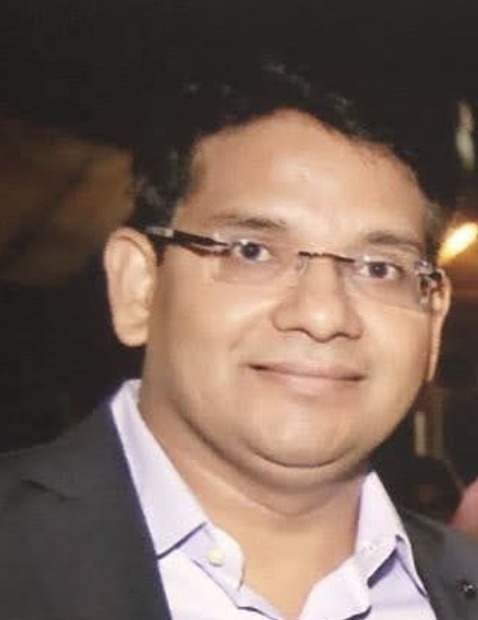
In an exclusive conversation with The Interview World at Indusfood Manufacturing 2026, Anup Wadhwa, Director of the Automation Industry Association, shares his insights on automation’s impact on work and industry. He highlights India’s preparedness to adopt automation, details the role of Indian academia in advancing the field, and outlines the major breakthroughs expected in the food sector over the next five years.
Here are the key takeaways from his compelling discussion.
Q: How do you see automation impacting work and industry?
A: The journey of automation over the past two decades has been remarkable. Initially, it carried a negative perception, often seen as a threat to human workers. However, around 2015–2016, this perception began to shift. With the global focus on Industry 4.0 and governments recognizing that no country can advance in isolation, automation gained a new, strategic significance.
Since then, digitalization and automation have been viewed as a unified force driving smarter plants. They enhance productivity and, crucially, introduce the flexibility required in today’s volatile markets. Sudden spikes in demand or requests for new product variants demand agility from manufacturers. The combination of automation and digital technologies provides precisely that agility, enabling industries to respond rapidly and efficiently.
Q: In your view, how prepared is India to meet this challenge, and what factors will influence its readiness?
A: India’s readiness ultimately depends on its people. When people are prepared, opportunities in the global market naturally follow. Talent plays a central role: while IT engineers were once in high demand worldwide, today the most sought-after professionals are those who combine domain expertise with automation and software skills.
Moreover, the synergy of smart machines and skilled people can transform business systems. This creates a surge of projects infused with innovation, attracting investors eager to support groundbreaking initiatives. As a result, capital follows talent, reinforcing the cycle of growth. This is why I believe India is on the right path, with the potential to accelerate progress as we move forward.
Q: How is Indian academia contributing to the integration and advancement of automation within the country’s ecosystem?
A: Academia often operates at a distance from industry, teaching new technologies in a largely theoretical way. However, industry demands more: theory applied through practical experience. To bridge this gap, we are actively working to upgrade multiple institutions, not just our center at IIT, but several other institutes as well. We are engaging in dialogues to help them understand the changes needed in their labs.
A second key initiative is promoting project-based training. Students tackle real industry problems, applying theory alongside hands-on practice. We hope this trend will gain momentum, and we plan to introduce competitions to further stimulate innovation. Academia plays a critical role in preparing fresh talent, but engineering students must experience where the action truly is. They cannot remain confined to algorithm design or interactions limited to a computer. They need to engage with the physical world, and in today’s context, machines and factories embody that world.
Q: What major developments or breakthroughs can we expect in the food technology or food industry over the next five years?
A: Absolutely. The number of products being transformed into ready-to-cook or freshly prepared meals is growing rapidly. The real challenge lies in maintaining hygiene, consistency, taste, and efficient logistics. Indian consumers highly value fresh food, and processed alternatives often fall short in nutrition. Balancing convenience with freshness while preserving nutrients will be the key hurdle. Whoever can successfully achieve this will unlock a massive market opportunity.