

Sloan, a global leader in commercial plumbing systems, has announced a strategic FDI investment in Essel Bath Fittings to accelerate its India strategy. This move strengthens local manufacturing and positions India as a key hub for domestic growth and exports. Leveraging Essel’s brand and distribution alongside its own technology, Sloan is shifting to a scale-driven model to capture a share of the 7–10% annual market growth. The dual-brand strategy targets both mid-market and premium segments. By integrating water-efficient and sensor-based solutions, Sloan advances sustainability goals. Looking ahead, it aims to drive exports and expand into the B2C segment.
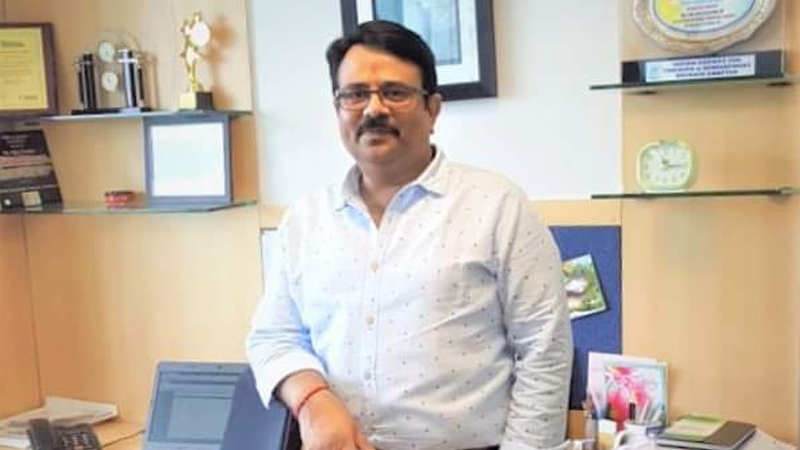
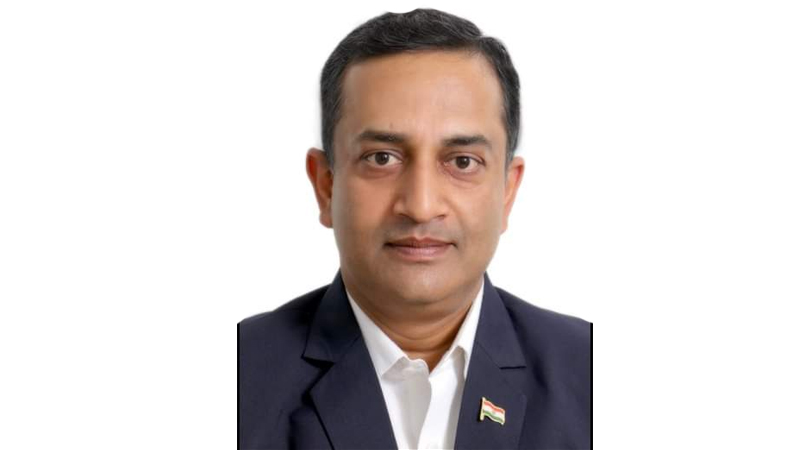
Against this backdrop, The Interview World engaged with Parthiv Amin, Chief Sales and Marketing Officer at Sloan. During the discussion, Amin offered comprehensive insights into the strategic collaboration between Sloan India and Essel Bath Fittings. He examined the availability of skilled talent in India and its role in driving operational excellence. In addition, he outlined the company’s growth projections for the next five years, highlighted key innovations slated for introduction in the Indian market, and analysed the evolving trajectory of the bath fittings industry. He also articulated why India holds critical strategic importance for Sloan’s global ambitions. What follows are the key takeaways from this in-depth conversation.
Q: Can you provide detailed insights into the strategic partnership between Sloan and Essel Bath Fittings?
A: This partnership between Sloan India and Essel Bath Fittings is fundamentally anchored in long-term, sustainable growth. Sloan established its presence in India over a decade ago; however, it brings with it more than 27 years of experience across diverse global markets. While the Indian market presents a distinct operating environment, Sloan’s international expertise complements Essel’s deep-rooted local understanding.
Consequently, the two brands align with clear strategic intent. They complement each other by serving different segments of the Indian bath fittings market. Essel addresses the mid-market, while Sloan targets the premium segment. Together, they create a comprehensive portfolio that caters to a broad and diverse customer base across India.
At the core of this collaboration lies a sharply defined operating philosophy: design, manufacture, and build where we sell. In the Indian context, this means developing products locally, manufacturing them within the country, and delivering them directly to the market. This is not a trading-led model; rather, it is a manufacturing-driven approach that prioritises control, quality, and scalability.
Moreover, the partnership leverages Essel’s established brand presence and manufacturing capabilities as a foundation for future growth. Sloan intends to strengthen this base further, not only to expand its footprint in India but also to position the country as a strategic export hub for global markets.
Q: What is your perspective on the availability of skilled workforce in India, and how can it act as a catalyst for brand growth and operational excellence?
A: There is no ambiguity about the depth and quality of talent available in India; it is exceptional. This reality becomes evident when one examines the sustained influx of global corporations establishing a presence in the country. Across sectors, whether IT, advanced manufacturing, semiconductors, or consumer technology, multinational companies continue to invest aggressively. Organisations such as Apple and Micron exemplify this trend, and they do so for one primary reason: India offers an unparalleled talent pool.
This very advantage informed our own decision to enter the market a decade ago. From the outset, we recognised India’s capability to support end-to-end operations: designing, engineering, and manufacturing products locally. Today, those capabilities have matured further. The country not only possesses the required skill sets but continues to expand and refine them at scale.
At the same time, our mandate extends beyond simply leveraging existing capabilities. We are equally focused on developing talent. We actively invest in upskilling our workforce and in transferring specialised expertise that we have built over decades in other markets, particularly in the United States. This dual approach, harnessing local strengths while introducing global best practices, creates a powerful, self-reinforcing ecosystem.
Taken together, the strength of India’s existing talent base and its capacity for continuous development position the market for sustained growth. Even when viewed against the backdrop of short-term geopolitical uncertainties, such as those in West Asia, the long-term outlook remains firmly positive. These disruptions are transient. In contrast, India’s structural advantages, its talent, scale, and ambition, are enduring. For us, this translates into a highly compelling growth trajectory and a market of strategic significance.
Q: Can you outline Sloan’s planned investment roadmap for India over the next five years?
A: If the question pertains to Sloan’s investment outlook, the intent is unequivocal. The investment we have announced and formalised today represents only the beginning. We will build on this foundation with sustained and substantial capital deployment over the next decade. In effect, we are committing to a long-term investment cycle in India, aligned with our broader growth and expansion strategy.
Q: What are your growth projections for the business over the next few years?
A: Over the past five to six years, Sloan India has delivered an exceptional growth trajectory, achieving a CAGR of approximately 50% year over year. However, sustaining such an accelerated pace indefinitely is neither practical nor necessary. Instead, the focus now shifts to maintaining strong, consistent double-digit growth, an outcome that Essel has successfully demonstrated over time.
To achieve this, we must continue to invest with discipline and intent. This includes expanding our manufacturing capabilities and physical footprint. At the same time, we must strengthen our organisational capacity by investing in people, capabilities, and critical resources. Together, these investments will ensure that growth remains both scalable and sustainable over the long term.
Q: What key innovations are you introducing to the Indian market?
A: Sloan India built its foundation on a clear and disciplined premise: drive growth through innovation. From the outset, the company prioritised developing solutions tailored specifically to Indian conditions. For instance, it designed, engineered, and patented a product in India that responds effectively to the country’s diverse and often challenging water environments. These conditions vary significantly, not only with treated wastewater from STPs but also across regions with differing water quality profiles.
To achieve this level of precision, Sloan invested its first three years in deep market immersion. It studied usage patterns, analysed environmental variables, and refined product design to ensure optimal performance in real-world Indian settings. As a result, the company did not merely introduce another product; it delivered a targeted solution to a widespread and persistent problem. This sharp focus on relevance and functionality has directly driven its exceptional growth trajectory.
Looking ahead, Sloan intends to expand the scope of innovation well beyond product functionality. It will continue to enhance how products are used and applied. At the same time, it will fundamentally rethink how products are designed and manufactured. The next phase will emphasise end-to-end sustainability, extending beyond water efficiency, which remains central to the company’s ethos.
Specifically, Sloan will focus on reducing the carbon footprint associated with manufacturing processes. It will evaluate materials, optimise production methods, and implement practices that minimise environmental impact. This represents a more advanced layer of sustainability, one that remains largely underdeveloped in India’s bath fittings industry.
By introducing these global best practices, already proven in other markets, Sloan aims to set a new benchmark in India. The objective is clear: to lead the transition toward a more sustainable, technologically advanced, and future-ready bath fittings ecosystem.
Q: How do you view the growth trajectory of the bath fittings industry in India, and why is this market strategically important for your business?
A: Consider the scale and momentum of India’s consumer landscape. The middle class and the emerging middle class are projected to reach approximately 700 to 740 million people over the next five years, and they continue to expand rapidly. This is not a marginal shift; it represents a population base that exceeds the combined size of the United States and much of Europe. Such sheer scale, in itself, defines a compelling growth opportunity. Moreover, this cohort represents the aspirational segment, where demand for better living standards and improved infrastructure continues to accelerate.
At the same time, the premium and luxury segment is also expanding at a strong pace. Current estimates place this segment at around 160 million people, and it continues to grow steadily. Unlike the aspirational segment, this cohort drives demand for high-end, design-led, and technologically advanced solutions.
Taken together, these two segments account for a market of over 800 million consumers. This scale is directly fuelling growth across the construction and real estate ecosystem, as developers and infrastructure providers respond to rising demand. Consequently, the bath fittings industry stands to benefit significantly from this structural expansion.
Within this context, Sloan India remains at a relatively early stage of its journey. While the global organisation brings decades of experience, its presence in India is still evolving. This positioning, however, is strategic. It allows the company to align itself with a high-growth market at the right time. As a result, Sloan sees a clear and compelling growth trajectory ahead, underpinned by strong demographic fundamentals and sustained demand across segments.