


Wadhwani AI is an independent, nonprofit institute that advances artificial intelligence for social good, with a clear focus on underserved populations across developing regions. It designs, builds, and deploys scalable, human-centric AI solutions to confront systemic challenges in healthcare, education, agriculture, and other critical public systems. By working in close partnership with governments, civil society organizations, academic institutions, and private-sector stakeholders, the institute ensures its technologies move beyond experimentation to deliver measurable, equitable impact at population scale. Its portfolio spans early disease detection, literacy enhancement, and agricultural decision support solutions that empower frontline workers while strengthening public service delivery. To date, these interventions have reached hundreds of millions of people. Anchored in equity, sustainability, and deep collaboration, Wadhwani AI integrates responsible AI into enduring public systems, prioritizing practical, context-aware innovation that improves lives long after pilot phases conclude.
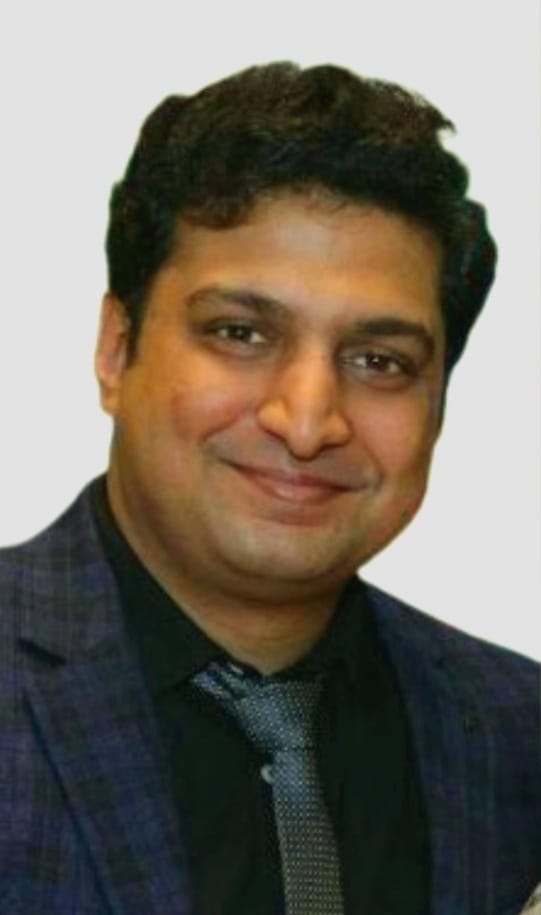
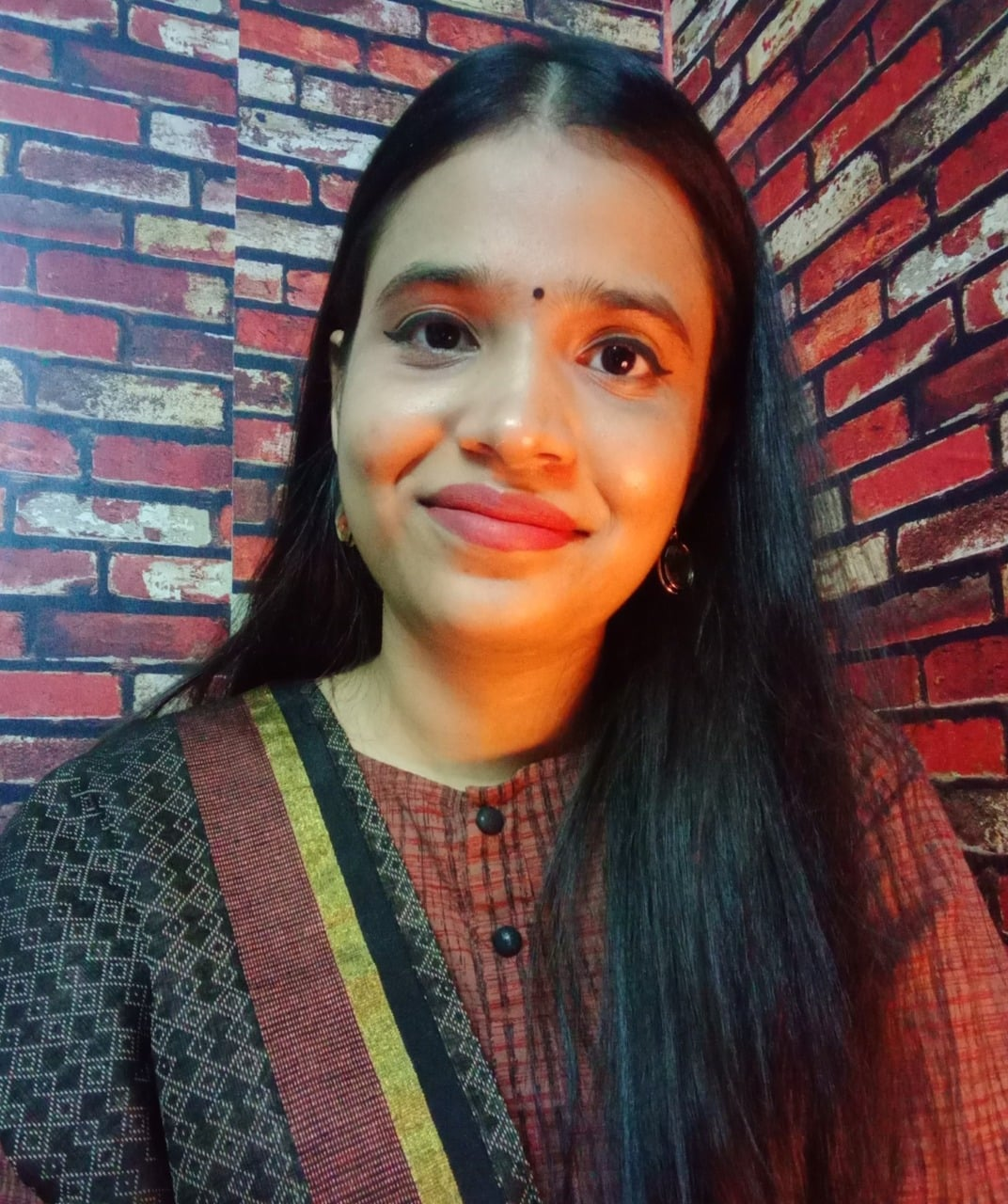
In an exclusive conversation with The Interview World at the Winter Dialogue on Responsible AI for Synergistic Excellence (RAISE), hosted by the NIMS Institute of Public Health and Governance, NIMS University, Dr. Ashok Jaybhaye, Program Specialist – MNCH & Gen AI at Wadhwani AI, offers a detailed view into the organization’s healthcare innovations. He explains how these solutions remain both affordable and accessible for intended users, outlines their seamless integration with the ABDM ecosystem, and highlights recent advancements and their tangible impact on the ground. He also articulates how Wadhwani AI is positioning itself on the global stage as a leader in AI-driven innovation in the years ahead. What follows are the key takeaways from this insightful and forward-looking discussion.
Q: Can you outline Wadhwani AI’s core healthcare offerings and explain how they are enabling and empowering end users?
A: Founded in 2018 and inaugurated by the Honourable Prime Minister Narendra Modi, Wadhwani AI operates as a not-for-profit organization with a clear and singular mandate: to build artificial intelligence for social good. Guided by this vision, the institute designs and develops advanced AI solutions across critical sectors, including healthcare, agriculture, and education.
To date, Wadhwani AI has built and deployed more than 35 AI tools in real-world settings. These initiatives reflect its core purpose to innovate responsibly, translate AI research into practical solutions, and enable public ecosystems to harness the transformative benefits of artificial intelligence at scale.
Q: How do you ensure that these products remain accessible and affordable for the intended users?
A: Accessibility and affordability sit at the heart of every technology we build not only in artificial intelligence, but across all innovation. As a not-for-profit organization, we operate entirely in service of the public good. Accordingly, every solution we develop is transferred to government partners and embedded within national health programs and allied public ecosystems. This model ensures that cost never becomes a barrier to adoption and that affordability is structurally addressed at scale.
Equally important, we design and deploy each AI tool with the end user in mind. Whether the intended users are Anganwadi workers, ASHA workers, or other frontline personnel, we tailor solutions to their contexts, workflows, and constraints. In doing so, we ensure broad accessibility alongside affordability. Together, these principles define the foundation of our work and guide every stage of development and implementation.
Q: Is Wadhwani AI collaborating with the Ayushman Bharat Digital Mission (ABDM) ecosystem?
A: Every AI solution we develop aligns with the government’s mandate for ABDM compliance. From the outset, we design our technologies to integrate seamlessly with the ABDM framework, ensuring interoperability, standardization, and readiness for deployment within public health systems.
Consequently, whether a tool is intended for national rollout or state-level implementation, we apply the same rigorous approach to ABDM alignment. This consistency enables smooth adoption across jurisdictions and reinforces our commitment to building technologies that scale responsibly within India’s digital health ecosystem.
Q: What recent innovations from Wadhwani AI have been integrated into India’s public healthcare ecosystem?
A: At present, Wadhwani AI has developed a robust portfolio of AI solutions tailored specifically for the healthcare domain. These include generative AI–powered tools and conversational chatbots designed to support frontline health workers in their day-to-day decision-making.
In parallel, the institute is building a video-based anthropometry solution for ASHA and Anganwadi workers, enabling accurate, technology-assisted growth assessment in community settings. It has also developed a clinical decision support system (CDSS) that is being integrated into national health platforms to strengthen evidence-based care delivery. Additionally, Wadhwani AI has deployed specialized AI tools for conditions such as diabetic retinopathy and tuberculosis. Together, these innovations reflect a comprehensive and targeted approach to advancing healthcare through AI.
Q: Could you share insights into the on-ground impact of these AI tools?
A: The scale and potential impact of these AI solutions are substantial. Consider, for instance, the video-based anthropometry tool designed for use by frontline health workers.
India has more than one million ASHA workers and an equally large network of Anganwadi workers. If deployed at the national or even state level, this single solution could enable the screening of virtually every child across the country. As a result, the tool would be used millions, potentially billions, of times each year, translating technological innovation into population-wide health impact at an unprecedented scale.
Q: Where do you see Wadhwani AI positioned globally in terms of AI-driven innovation over the coming years?
A: Since its inception, innovation has remained central to Wadhwani AI’s mission and operating ethos. Every solution we build reflects a deliberate focus on advancing novel, high-impact AI models that address real-world challenges. At the same time, we work closely with multiple ministries, departments, divisions, and state governments to ensure these innovations translate into systemic change.
More recently, Wadhwani AI has extended its reach beyond national boundaries and begun its global operations for advocating potential use and benefits of AI solutions globally.



1 Comment
Dear Editor,
Smile Foundation is organising an international film festival for children and youth in New Delhi.
Would you like to interview the festival chairman Mr. Santanu Mishra, who is also the producer of I Am Kalam and Co-founder of Smile Foundation?
Thank you
Sandip Nayak
8800744001
Comments are closed.