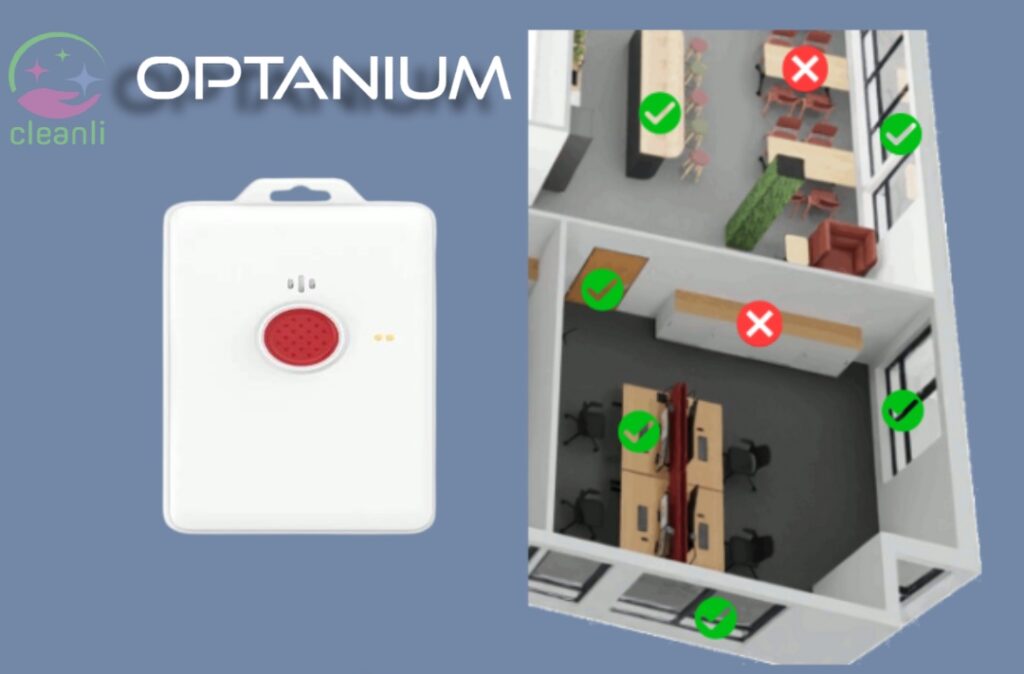


OPTANIUM, a Germany-based technology consultancy, develops innovative software solutions tailored for medium-sized organizations. Among its most notable contributions to healthcare is Cleanli, an automated, contactless system that manages and verifies cleanliness across clinics, nursing homes, and other medical environments. By digitizing cleaning records for every room and piece of equipment, cleanly, powered by a patented device, enables real-time tracking and instant display of the last cleaning event. As a result, hospitals achieve transparency, accountability, and consistency in hygiene-critical settings, safeguarding sanitation standards.
Building on cleanli’s success, OPTANIUM also delivers modular and customizable platforms such as ELSA, which seamlessly adapt to unique operational workflows and integrate with existing systems. The company’s philosophy centers on usability, reliability, and a deep respect for client needs. Through intuitive interfaces paired with robust backend tracking, OPTANIUM simplifies hospital cleaning and service monitoring, strengthens compliance, minimizes errors, and ultimately enhances patient safety.
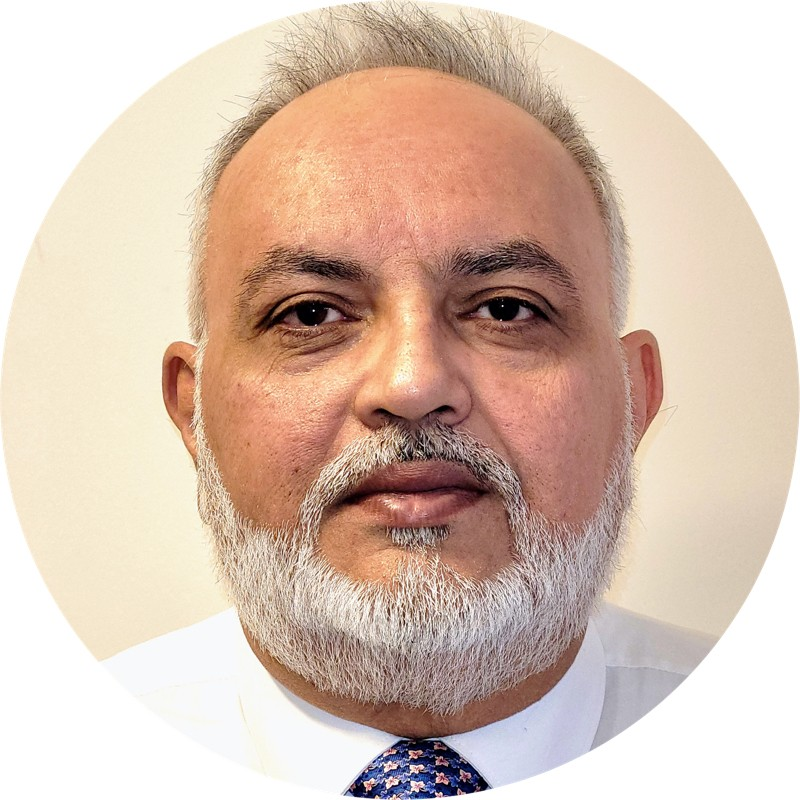
At Medicall, in an exclusive conversation with The Interview World, Marcel Nebel, Managing Director of OPTANIUM, discussed the company’s pioneering role in redefining hospital cleanliness through seamless monitoring and tracking. He also shared insights on the opportunities he sees in the Indian market, outlined the innovations he plans to build on top of existing products, and articulated his broader vision for market expansion. The following takeaways capture the essence of this engaging dialogue.
Q: Can you elaborate on your innovative software product for enhancing hospital cleanliness and hygiene standards?
A: We actively track hospital cleaners through smart technology. Each cleaner carries a digital badge that automatically records their location and verifies whether cleaning schedules are being fulfilled. If a scheduled task is missed, for example, when a room has not been visited, the system immediately alerts the supervisor, who can intervene and take corrective action.
In addition, every room features a QR code that patients or their relatives can scan. This opens a complaint form directly in the browser, allowing them to submit feedback instantly. The supervisor receives the notification in real time and can respond without delay.
Together, these tools deliver measurable results. A typical German hospital reduces cleaning costs by nearly 25%. At the same time, complaints drop by more than 80%, significantly boosting the hospital’s reputation and reinforcing trust among patients and their families.
Q: How do you see the opportunities for your products in the Indian market?
A: India stands as the world’s fastest-growing market for hospitals. We established our offshore software delivery center here 11 years ago, and only recently began offering our solutions directly in the Indian market. This marks the third trade fair in which we are participating.
Earlier, at Hospex, we not only showcased our innovations but also earned the Best Technology Award for Hospital Innovations, a recognition we are deeply proud of. With the clients we have already secured, our progress in India has been both steady and promising. We see this as the beginning of a long-term growth journey in one of the most dynamic healthcare markets globally.
Q: Could you share the new innovations or advancements you are planning to build on your existing software or products over the next 5 to 10 years?
A: We are driving a wave of new innovations. One key development is porter management. By equipping porters with the same digital badges used for cleaners, we can track their movements and optimize their workflows. As a result, we expect hospitals to reduce porter workforce requirements by approximately 20–25% without compromising efficiency.
Beyond that, we are advancing into asset tracking. Any mobile item within a hospital, whether a bed that requires cleaning or specialized equipment used in operating theaters, can be monitored in real time. In addition, we are designing a dedicated module for industrial cleaning, which will cover areas such as sterilization control and other critical hygiene processes.
Together, these innovations promise to transform hospital operations, making them more efficient, transparent, and safe.
Q: What is your long-term strategy for expanding into new markets and developing innovative products for hospital cleanliness?
A: Every hospital in the world owes its patients, their families, and its community a fundamental promise: proper cleanliness. Yet, despite its importance, hospital hygiene remains a global challenge. The problem persists not only in India but across every region of the world.
With our solution, we aim to change that. Our goal is to support hospitals in protecting patients who come seeking treatment. They should leave healthier, not burdened with additional infections. By strengthening hygiene standards, we contribute directly to safer care and better health outcomes.