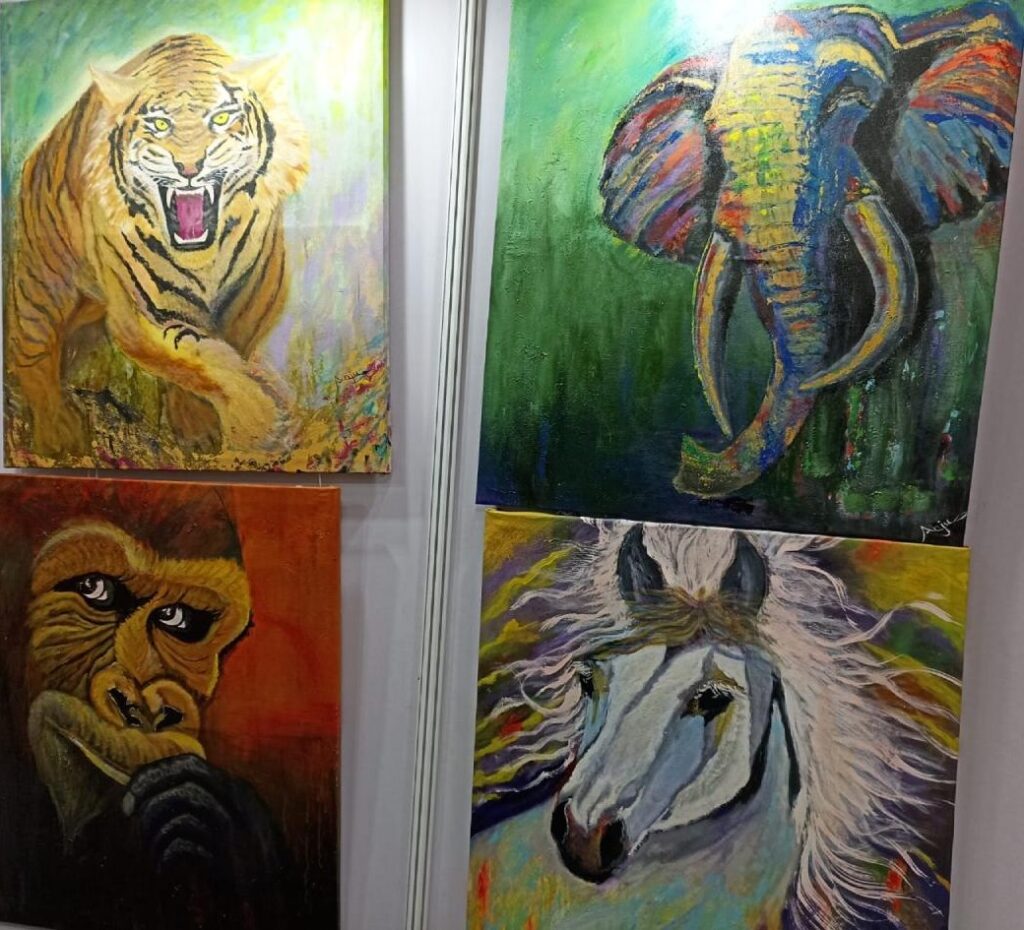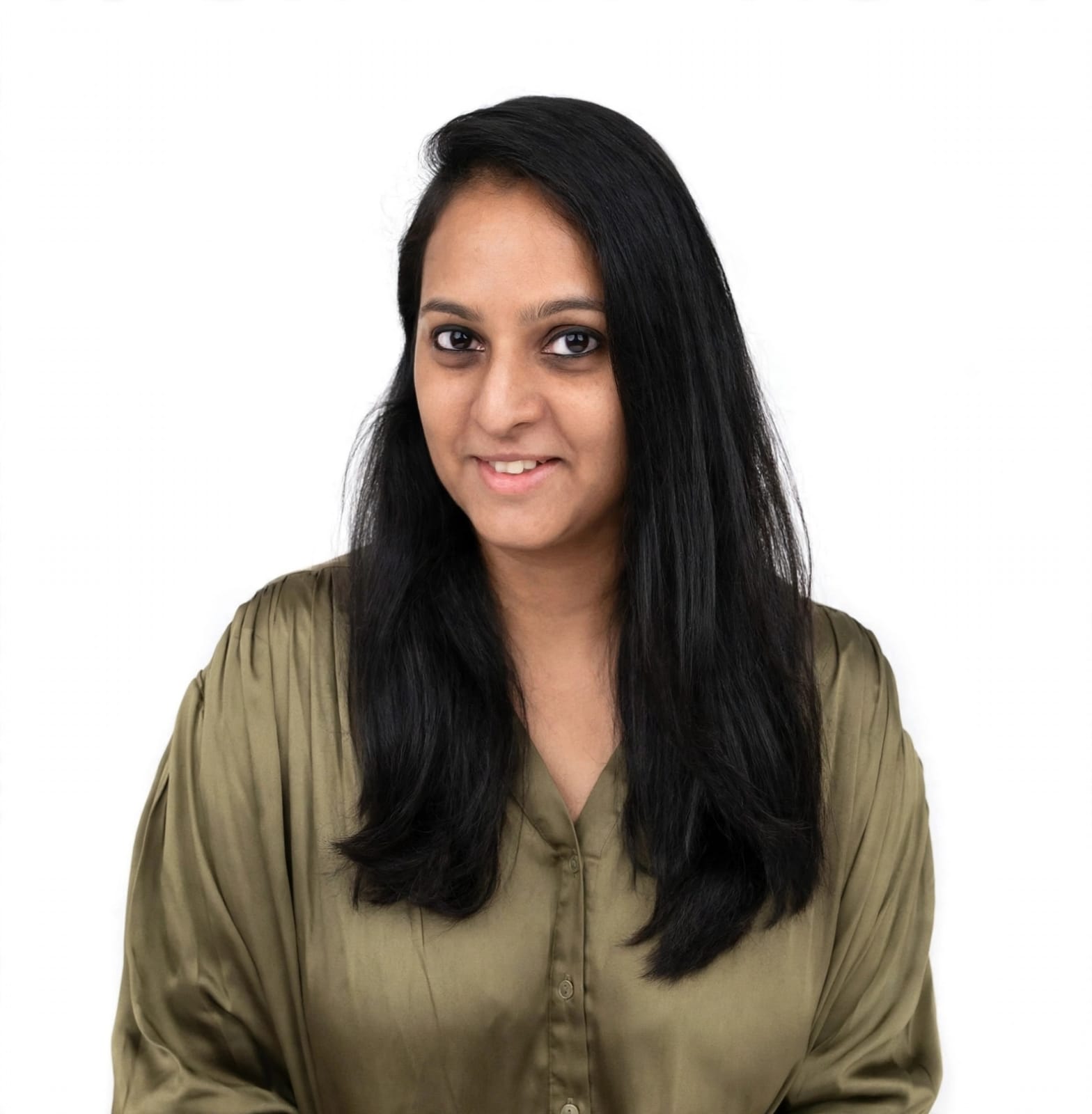

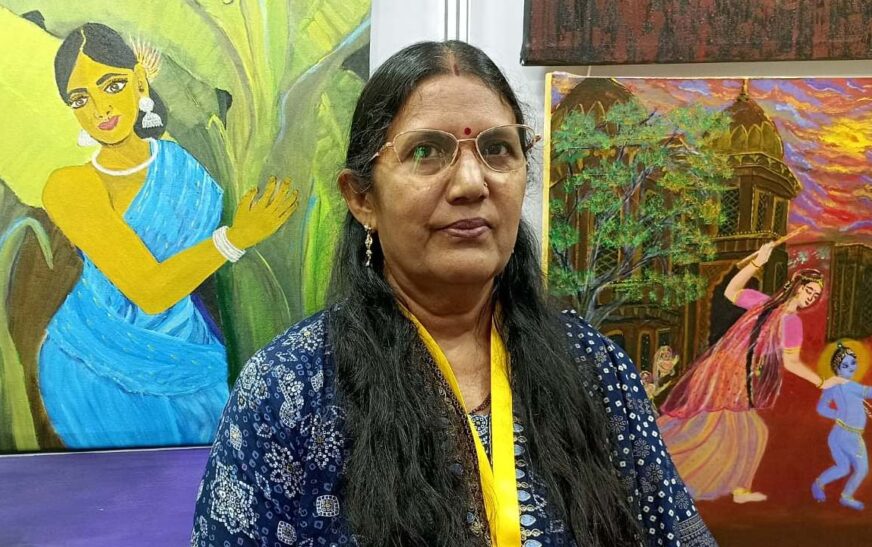
Dr. Nandini Chandrawanshi, physician, self-taught artist, and founder of Anju Art Gallery, commands a distinctive visual language marked by emotional intensity and lyrical expression. She began painting as a means of release; however, she swiftly transformed that private pursuit into a disciplined, evolving practice. Consequently, her oeuvre now traverses portraiture, abstraction, landscape, and thematic compositions, each imbued with a deliberate pursuit of positivity and inner equilibrium. Through Anju Art Gallery, she actively advances art as both a therapeutic medium and a conduit for aesthetic refinement.
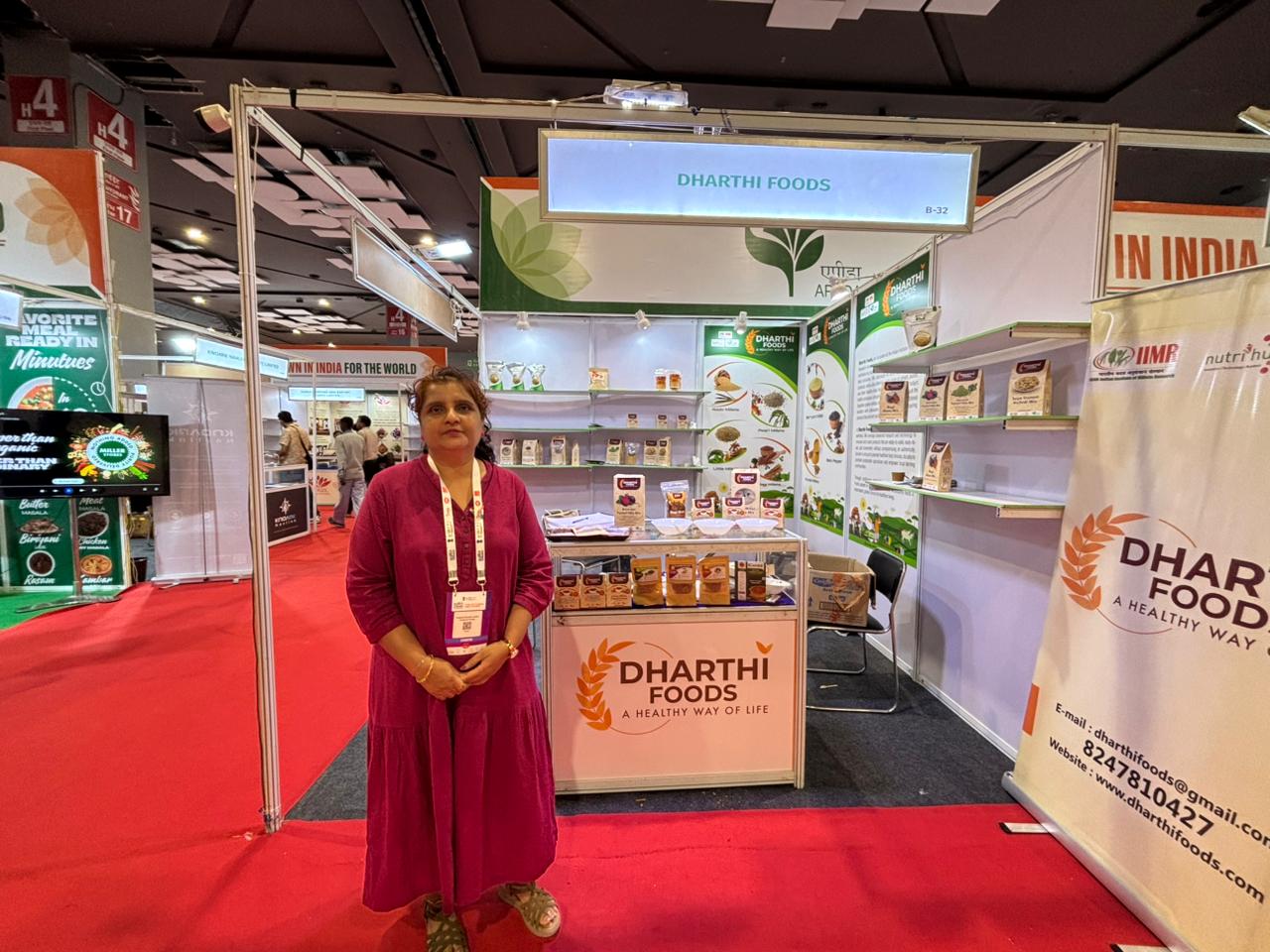
In an exclusive conversation with The Interview World at The Haat of Art Exhibition, Dr. Chandrawanshi articulates the decisive impulse behind her transition from medicine to art. Furthermore, she reflects on her evolving practice, delineates her participation in national exhibitions, and signals a clear intent to engage with international platforms as opportunities emerge. In parallel, she dissects her thematic concerns, material choices, and technical processes, while also evaluating the reception of her work among connoisseurs and collectors. The following are the distilled insights from this incisive exchange.
Q: What inspired you, as a medical professional, to transition into the world of art, and how has that journey shaped your perspective?
A: I have inhabited a creative impulse since childhood; art has never been peripheral to my being. Initially, I turned to painting as a means of release; however, it soon evolved into a disciplined refuge. Whenever pressure mounted, I instinctively reached for the brush. Through this sustained engagement, I honed my visual language and gradually constructed an intimate, self-contained world of images.
I remain entirely self-taught; I have neither pursued formal instruction nor relied on institutional frameworks. Instead, I have cultivated my practice through instinct, observation, and repetition. Consequently, my thematic vocabulary draws from nature, mythology, and the cultural ethos of Chhattisgarh—each strand informing a layered, intuitive narrative.
I maintain a profound affinity with the natural world; therefore, I translate fleeting thoughts and inner impressions directly onto the canvas. Moreover, I integrate painting into the interstices of my medical life. For instance, during late-night patient care, I often utilize quiet intervals to paint. In doing so, I convert moments of strain into acts of creation; thus, each work becomes both an emotional release and a reaffirmation of inner balance.
Q: Since when have you been practicing painting professionally, and how did your early interest in art during childhood evolve into a full-time pursuit?
A: I have sustained a consistent painting practice for the past six to seven years; earlier, however, I engaged with it only intermittently. Over time, as my professional demands have eased, I have reclaimed both time and focus. Consequently, I now devote myself to painting with greater discipline, continuity, and intent.
Q: Have you participated in any international art exhibitions so far, and do you have plans to exhibit your work in global forums in the future?
A: I have not yet engaged with international exhibition circuits; however, I have established a steady presence within the domestic sphere. I have exhibited in Delhi and at the Nehru Centre in Mumbai, and I mounted a solo exhibition in Bhilai, Chhattisgarh. Notably, the Haat of Art Exhibition in Delhi marks my fourth formal exhibition, reflecting a deliberate and progressive trajectory.
Looking ahead, I intend to expand onto international platforms as opportunities arise. With my professional commitments now receding, I can devote sustained attention to my artistic practice; consequently, I approach this next phase with greater focus, mobility, and ambition.
Q: Could you elaborate on the themes, materials, and techniques you employ in your paintings, and how these elements contribute to your artistic expression?
A: I draw sustained inspiration from the natural world; therefore, I anchor much of my practice in its rhythms, forms, and atmospheres. At the same time, I consciously foreground Chhattisgarh, directing focused attention toward the tribal cultures of Bastar. Consequently, these works do not merely depict; they interpret and reframe lived traditions through a contemporary visual lens.
In parallel, I engage deeply with mythology, treating it as a dynamic narrative field rather than a static inheritance. I have rendered figures such as Krishna, Ganesha, Rama, as well as evocative episodes like Vishwamitra-Menaka and the composite form of Ardhanarishvara. Moreover, I extend these explorations across varying scales, including large-format works, while also engaging with the intricate visual discipline of Pichwai.
Further, I experiment with indigenous idioms such as Gond art, integrating their symbolic vocabularies into my broader practice. I resist confinement to a single stylistic or thematic framework; instead, I allow intuition to guide each work. Technically, however, I maintain a consistent preference for acrylic on canvas, using its versatility to articulate both precision and expressive depth.
Q: How do art enthusiasts and collectors typically respond to your work, and what kind of feedback have you received from buyers?
A: Viewers respond with conviction; they not only appreciate my work but also acquire it. Consequently, my paintings have found a consistent market, affirming both their aesthetic and emotional resonance. Among these, my large-scale explorations in Pichwai have drawn particular attention, alongside several other significant works.
At the same time, my dual identity as a physician and painter often surprises audiences; however, that very intersection deepens their engagement. They recognize the discipline, sensitivity, and introspection that inform my practice. As a result, admiration follows, not merely for the novelty of my journey, but for the integrity and expressive force of the work itself.