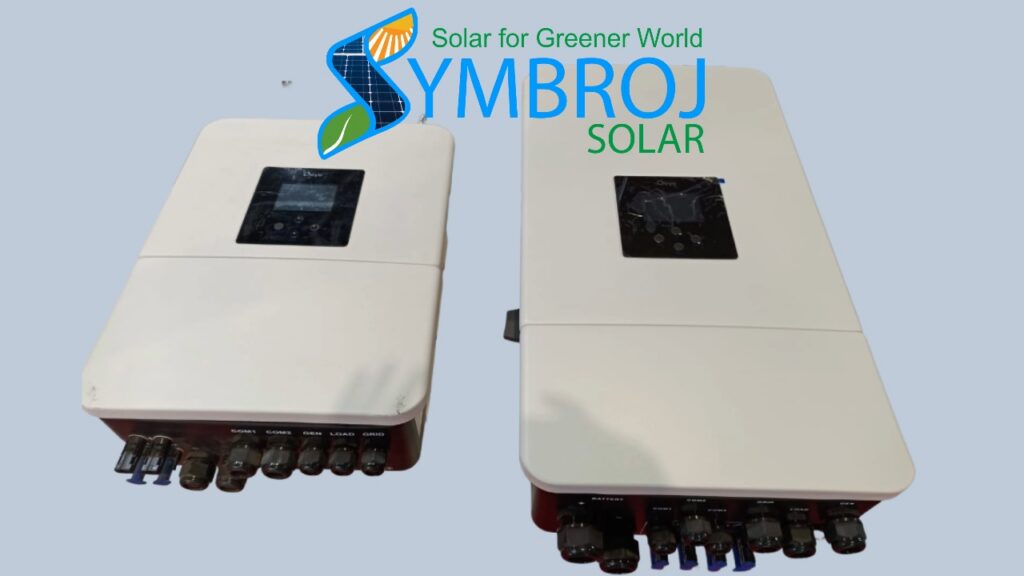

Symbroj Solar is a fast-growing renewable energy enterprise delivering comprehensive solar power solutions for residential, commercial, metro network, and industrial clients across India. Established in 2020 under the Symbroj Group, the company has built a strong reputation for executing integrated solar projects with precision, efficiency, and long-term operational reliability. Its expertise spans the entire solar value chain, including project design, engineering, procurement, installation, commissioning, real-time monitoring, and lifecycle maintenance.
Moreover, Symbroj Solar offers a diversified portfolio that includes rooftop solar systems, turnkey EPC solutions, solar water pumping systems, EV charging infrastructure, and integrated clean energy solutions tailored to evolving market demands. Backed by a highly skilled technical workforce and agile project management capabilities, the company prioritizes innovation, sustainability, and customer-focused execution to deliver scalable and future-ready energy infrastructure.
In addition, through its SolarPro partnership initiative, Symbroj Solar is actively accelerating clean energy adoption while fostering a new generation of solar entrepreneurs across India. The program reflects the company’s broader commitment to expanding the renewable energy ecosystem and strengthening India’s transition toward sustainable power.
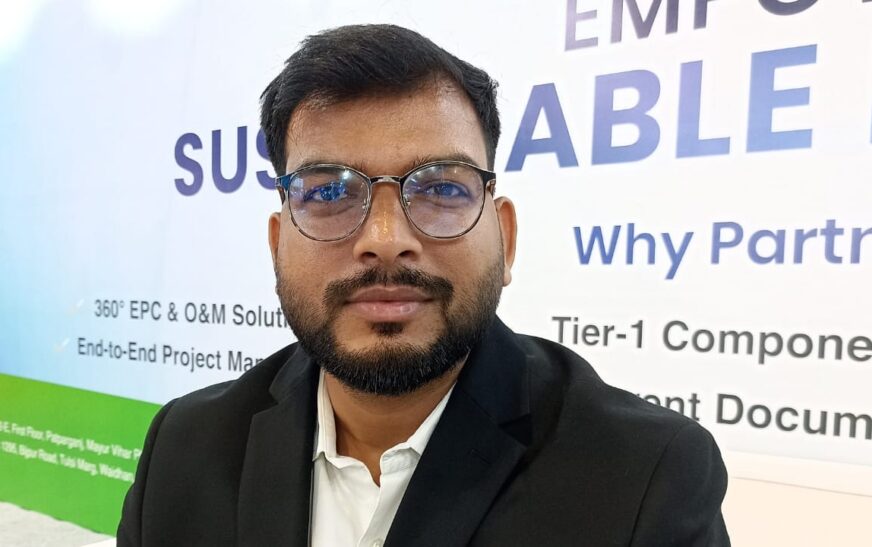
In an exclusive interaction with The Interview World at InnoMetro, Balendra Shah, CEO & Founder, Symbroj Solar discusses the company’s renewable energy solutions for India’s metro rail ecosystem, outlines the scale of solar power capacity it delivers, shares his strategic innovation roadmap for the next five years, and highlights the ambitious business growth trajectory the company envisions over the next decade. Presented below are the key insights from this engaging and forward-looking conversation.
Q: What specialized renewable energy solutions does Symbroj Solar provide for India’s metro rail ecosystem?
A: Primarily, we deliver rooftop solar solutions for the metro rail sector. Metro systems traditionally depend on electricity procured from Delhi’s power distribution companies, much of which originates from coal-based thermal power plants. To address this challenge, we install solar power plants across metro rooftops and other viable infrastructure spaces to generate clean electricity directly from sunlight.
Consequently, the solar energy produced offsets conventional grid consumption and significantly reduces dependence on fossil-fuel-generated power. More importantly, this transition helps lower carbon emissions and strengthens the adoption of sustainable energy within urban transport infrastructure. In essence, our mission is clear: to accelerate the shift toward green energy while contributing meaningfully to India’s broader decarbonization goals.
Q: Which segments of the metro rail ecosystem are your primary focus areas?
A: Currently, we are strategically focusing on the Delhi Metro Rail Corporation and Lucknow Metro Rail Corporation to expand our solar energy footprint within India’s urban transit infrastructure. Every metro station offers substantial rooftop space, and we are effectively leveraging these assets to deploy comprehensive solar power solutions at scale.
Accordingly, we design and execute end-to-end rooftop solar projects ranging from kilowatt-scale installations to large megawatt-scale systems. Our integrated approach covers the entire project lifecycle, including engineering, procurement, installation, commissioning, and long-term maintenance. Through these initiatives, we aim to transform metro infrastructure into a reliable source of clean energy generation while advancing sustainable and energy-efficient public transportation systems.
Q: What is the total solar power capacity, in megawatts, you have deployed across metro rail projects in India?
A: At present, we are delivering approximately 3 to 4 megawatts of solar power capacity to metro rail projects, thereby supporting the transition of urban transportation systems toward cleaner and more sustainable energy consumption. These installations not only enhance operational energy efficiency but also contribute significantly to reducing carbon emissions across metro infrastructure.
Furthermore, our operations extend well beyond the metro rail sector. We actively provide customized solar energy solutions for residential, commercial, and industrial customers, addressing diverse energy requirements across multiple segments. By serving both institutional and individual consumers, we are building a broader clean energy ecosystem that accelerates solar adoption at every level.
Q: What key innovations and technological advancements is Symbroj Solar planning to develop over the next five years to strengthen its position in the renewable energy sector?
A: Over the next five years, we plan to drive innovation through the development and adoption of higher-capacity solar panels with significantly enhanced wattage output. The solar industry has already witnessed remarkable technological advancement over a short period. For instance, just three to five years ago, 335-watt solar modules represented the prevailing industry standard. Today, however, module capacities have surged to nearly 750 watts, effectively more than doubling energy generation efficiency.
Building on this rapid evolution, we anticipate another major technological leap in the coming two to five years. We expect solar panel capacities to approach the 1000-watt range, which will substantially improve power generation, optimize space utilization, and reduce overall project costs. Consequently, these advancements will accelerate the scalability and commercial viability of solar energy across residential, industrial, and large-scale infrastructure applications.
Q: Are your modules manufactured indigenously in India, or do you source certain components and raw materials from international suppliers as part of your manufacturing process?
A: We currently source advanced solar components from international markets to ensure access to high-performance technologies and globally benchmarked quality standards. Simultaneously, we are developing turnkey solar solutions for projects ranging from kilowatt-scale installations to large megawatt-scale deployments.
Moreover, we carry out system integration and assembly operations domestically, which enables us to maintain greater control over quality, customization, and project execution timelines. This integrated approach not only strengthens operational efficiency but also allows us to deliver scalable, cost-effective, and technologically advanced solar infrastructure tailored to diverse customer requirements.
Q: What kind of business growth and market expansion do you envision over the next 5 to 10 years?
A: Over the next five to ten years, we expect our turnover to grow exponentially, reaching nearly 10 to 15 times our current revenue levels. This projected expansion will be driven by rising demand for renewable energy solutions, rapid technological advancement in solar infrastructure, and our strategic focus on scaling operations across metro rail, industrial, commercial, and residential sectors.