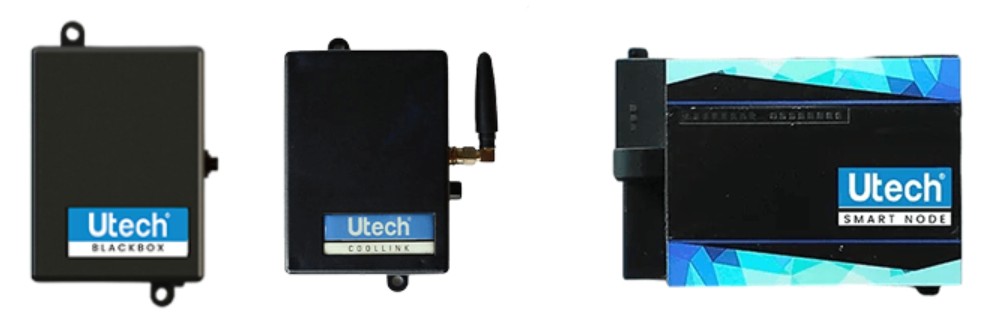

UTECH Technologies, based in Sri Lanka, is a pioneering Industrial IoT and automation company that develops and deploys end-to-end connected solutions to fast-track Industry 4.0 adoption across manufacturing, energy, cold chain, and agriculture sectors. By combining proprietary hardware, advanced sensors, cloud analytics, and AI, the company enables real-time monitoring, predictive maintenance, energy optimization, and process digitization, thereby minimizing downtime and reducing operational costs. UTECH’s multidisciplinary team creates scalable IoT ecosystems that enhance visibility and efficiency across assets and facilities. Its award-winning technology has received recognition both nationally and across the Asia-Pacific region, delivering measurable industrial transformation for leading enterprises.
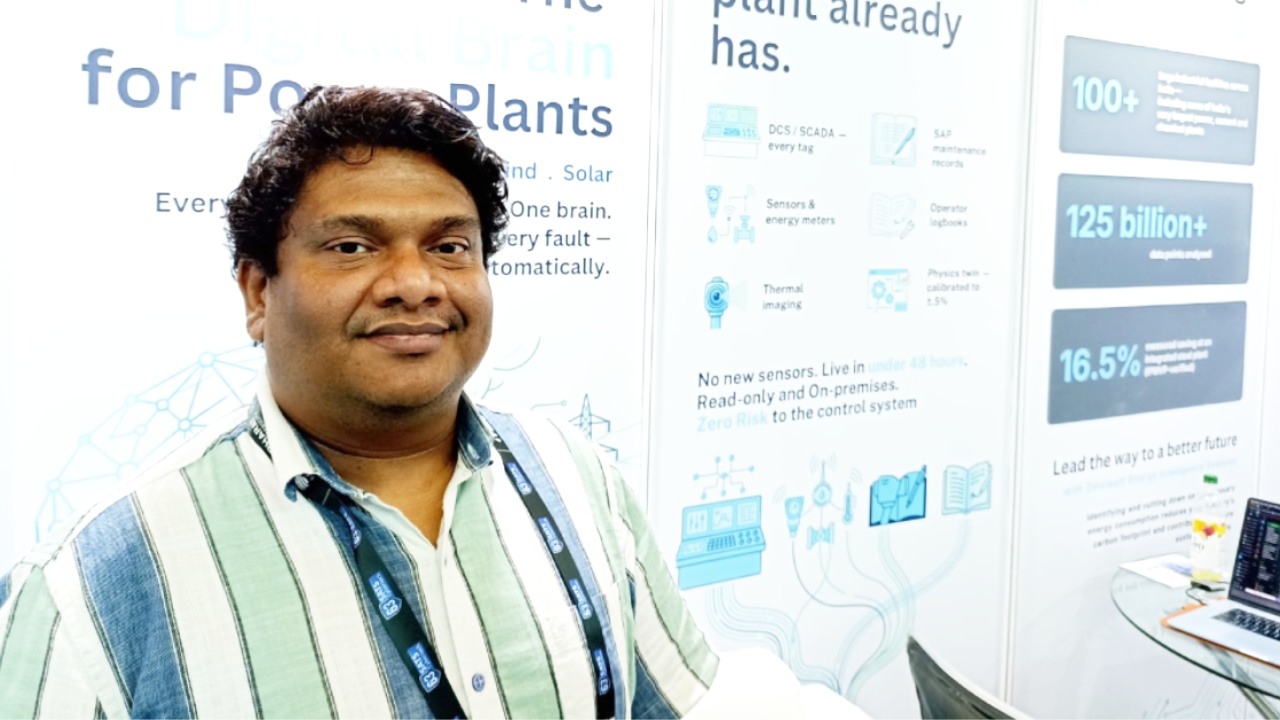
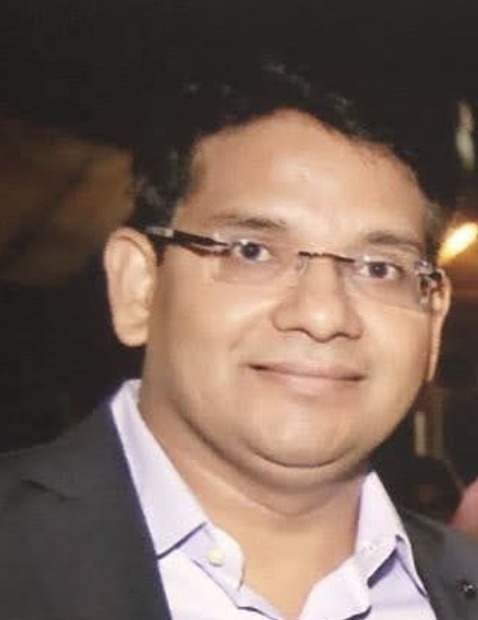
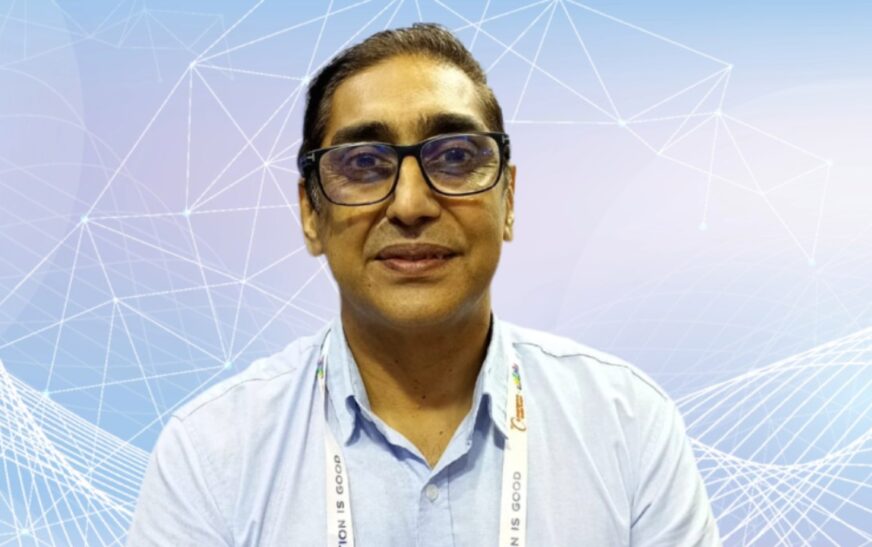
In an exclusive conversation with The Interview World at the 33rd Convergence India Expo, Riyad Ismail, Managing Director & CEO of UTECH Technologies (Private) Ltd., discussed the company’s innovative technologies and product offerings. He explained how UTECH addresses industry challenges, assessed the opportunities in the Indian market, and shared insights into exporting UTECH solutions to international clients. Furthermore, he outlined his vision for technological innovation over the next five years and emphasized how the company proactively tackles cybersecurity risks. The following are the key takeaways from his compelling discussion.
Q: Can you provide an overview of the technologies and products that UTECH offers across different industry verticals, and explain how they are addressing the specific needs and challenges of these industries?
A: We primarily operate across manufacturing, logistics, and the beverage industry. In these sectors, companies consistently face three critical challenges: maintaining product quality, improving productivity, across both machines and human labour, and managing energy consumption, including electricity and gas.
To address these pressures, industries require a unified technology framework that ensures optimal performance while maximizing both productivity and quality. Accordingly, we deliver an integrated platform, supported by robust hardware, that connects seamlessly across factory environments and operational processes. This system generates real-time insights and applies predictive analytics to continuously assess performance, identify inefficiencies, and detect emerging issues.
As a result, organizations gain clear visibility into what is working, what is failing, and what corrective actions are necessary. More importantly, this intelligence enables them to move from reactive responses to proactive decision-making, thereby strengthening day-to-day operational control and long-term efficiency.
Q: How do you assess India as a market for your technology, and what opportunities or challenges do you see here?
A: India is currently grappling with several structural challenges, most notably declining labour productivity and an aging base of industrial machinery. At the same time, currency depreciation has made the acquisition of new, cutting-edge automation technologies increasingly expensive. Consequently, large-scale replacement of legacy systems is neither practical nor economically viable for many enterprises.
As these machines continue to age, and as human operators remain integral to production lines, the need for comprehensive monitoring becomes critical. However, the market still lacks a unified technology framework capable of proactively monitoring both machines and human performance across diverse environments. This gap becomes even more pronounced in facilities that operate heterogeneous equipment from multiple manufacturers, where interoperability and standardization remain persistent challenges.
In response, our technology bridges this divide. It seamlessly integrates with machines of varying brands and vintages, while simultaneously enabling real-time monitoring of human and machine productivity. As a result, it delivers a cohesive, end-to-end view of operations. Therefore, the demand for such unified, intelligent solutions in India is both significant and urgent.
Q: Do you also export your products to international markets, and if so, which regions are you targeting?
A: We have recently expanded our export footprint to the Maldives, Bangladesh, India, and Singapore. At the same time, we are actively negotiating entry into the United States, while also pursuing opportunities across other Asian markets.
Q: Can you share your vision for technological advancements and innovations your company aims to pursue in the next five years?
A: As 5G networks mature and AI continues to advance, we are aligning both our hardware and software with next-generation communication technologies. At the same time, we are deepening the integration of AI-driven predictive analytics to enhance performance, accuracy, and decision-making.
This is the trajectory we see for the industry. Accordingly, we are expanding our R&D capabilities to accelerate innovation and strengthen our position in this evolving landscape.
Q: Amid the growing landscape of cyber threats, how does your technology address and mitigate these security challenges?
A: We design and develop our entire hardware and software ecosystem in-house, ensuring full ownership and control without reliance on external vendors. Consequently, we collaborate closely with our customers to align every layer of the system with the specific security requirements of their industries.
By embedding robust safeguards across both hardware and software, we enforce stringent protection against unauthorized access. As a result, our platform effectively prevents external threats from infiltrating devices or compromising system integrity.