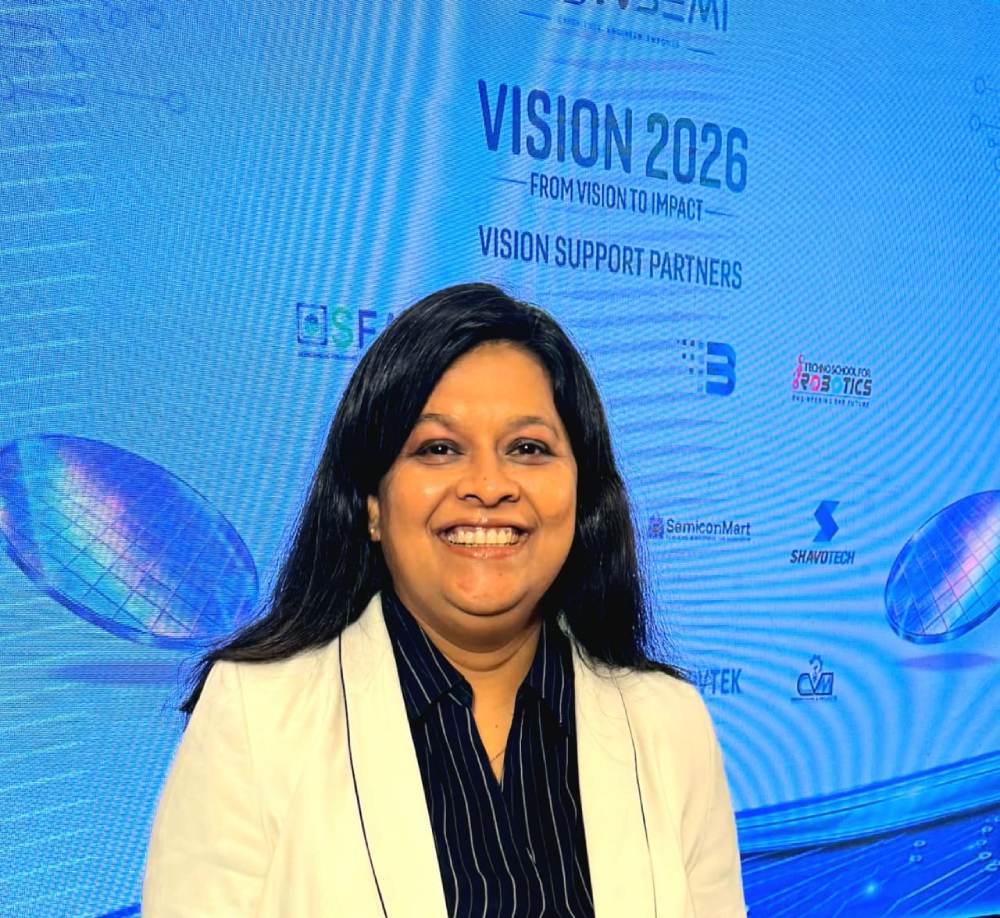

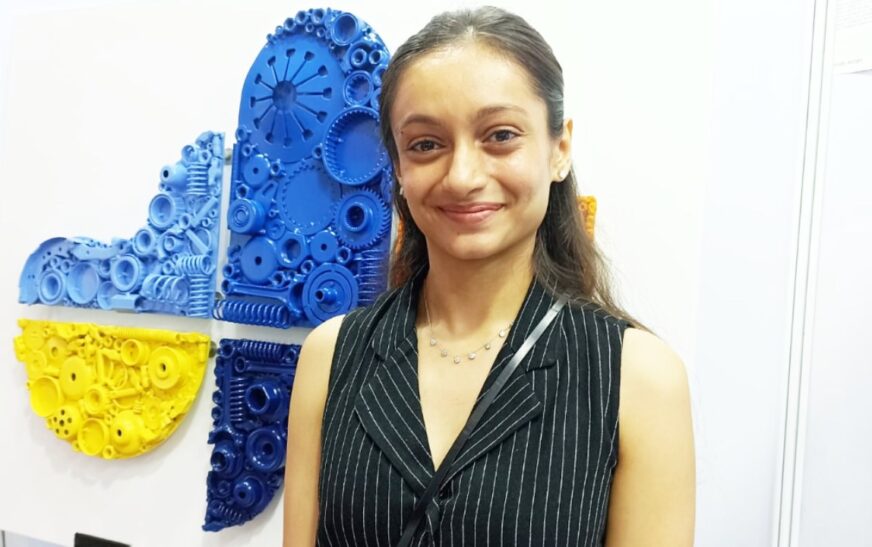
Isha Patel, a self-taught Indian artist, stands at the helm of Studio Auttam—a sanctuary of slowness, intuition, and care. Through this thoughtful space, she reimagines discarded industrial scrap, rusted metal, and reclaimed materials, breathing new life into them as sculptural installations, collectible art objects, and conceptual expressions. Her practice, rooted deeply in materiality and emotion, blurs the lines between contemporary art and design. Yet, more than transformation, it is transmutation—where decay becomes dialogue, and forgotten fragments reclaim value and voice.
Guided by instinct and contemplation, each creation at Studio Auttam unfolds organically. Here, imperfection is not a flaw, but a deliberate gesture. Here, the overlooked becomes sacred. Named after her grandmother, Auttam—meaning “the best” or “supreme”—the studio channels a lineage of quiet strength and emotional depth. Every piece echoes that legacy, layered with meaning, memory, and resilience.
Isha does not merely create art; she curates experience. Collaborating with collectors, curators, institutions, and design-forward brands, she has carved out a space where material transformation mirrors personal metamorphosis. In her hands, art becomes more than visual—it becomes visceral. It is felt, remembered, and intimately lived.
In an exclusive conversation with The Interview World at The Haat of Art, Isha opens up about her evocative body of work evolved from scrap materials. She delves into her process of sculpting beauty from scrap, reveals the thoughtful time investment behind each piece, and discusses the symbolic significance of her signature blue palette. Most importantly, she shares her long-term vision—one that seeks to elevate scrap materials into powerful vessels of meaning and memory.
Here are the key insights from her deeply moving and inspiring exchange.
Q: Could you elaborate on how the artwork was conceptualized and created using scrap materials?
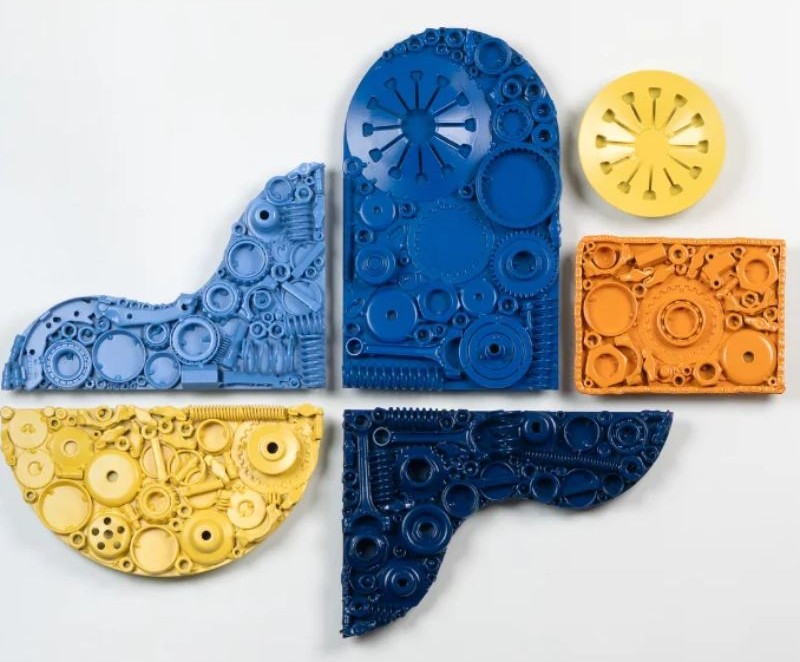
A: These are my scrap art pieces—born not from formal training, but from instinct, imagination, and a deeply personal urge to tell stories through what others discard. Over the past two months, I have shaped this collection, piece by piece, with my hands and heart as my only guides.
Each artwork begins with a found object—fragments unearthed from a nearby junkyard, weathered by time, waiting to be seen anew. I felt drawn to them, not just for their form, but for the quiet histories they carried. By reusing and reimagining these materials, I’ve crafted a visual language that reflects my inner world.
This collection is more than just assemblage—it is narrative in metal, memory in rust. It’s where imagination meets intention, and where the discarded becomes deeply personal.
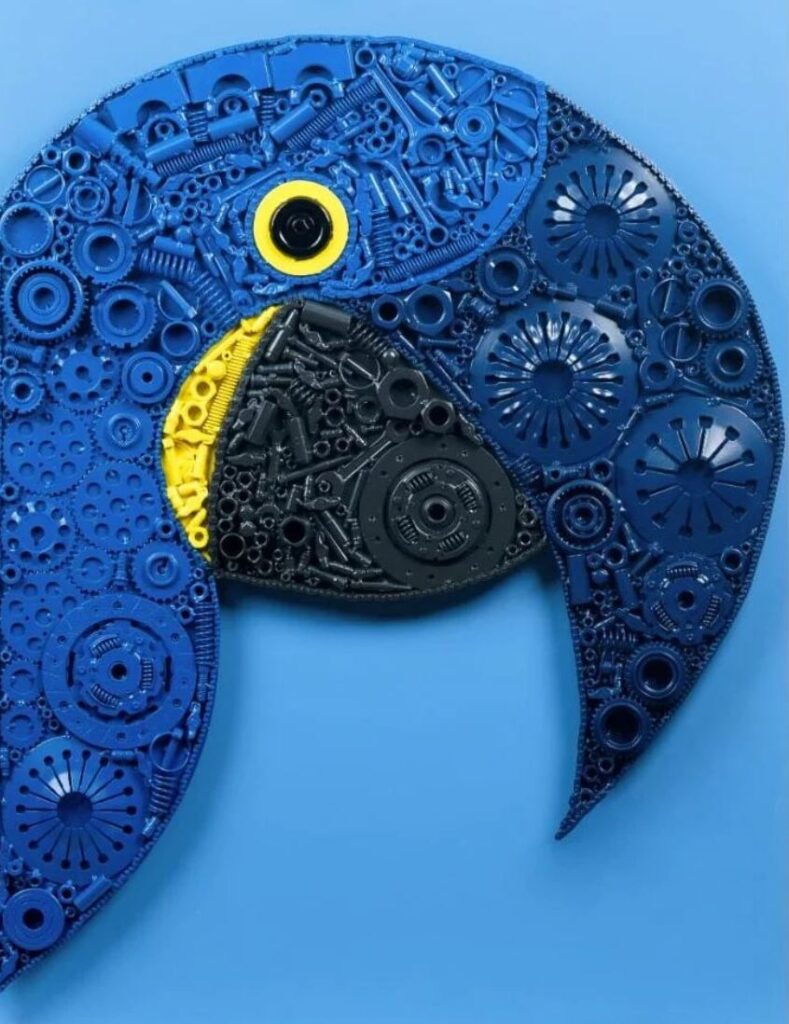
Q: How much time typically goes into creating a piece like the one on display, and what does the process involve from start to finish?
A: This piece took over two months to complete—perhaps longer. At one point, the colours turned out wrong, forcing me to strip everything back and begin again. Then came the structural challenges. Some components fell apart, demanding that I re-weld and reshape them, one joint at a time.
The process was anything but linear. It was a cycle of trial, error, and persistence. The idea itself arrived like a vision—almost dreamlike. One night, I saw it clearly in my mind, and I knew I had to bring it into form. From that moment on, it became an obsession—to manifest that fleeting image into something tangible, something real, spiralled from a heap of scrap materials.
Q: The colour blue features prominently in your artwork—does it hold any particular significance or symbolism for you?
A: I don’t gravitate toward red or other bold hues. Instead, I chose blue—deliberately, intuitively. This eight-piece collection is titled “Blue, Borrowed, and Broken.”
Blue, for me, holds deep resonance. It mirrors nature—the vastness of the sky, the depth of the ocean. But it also reflects emotion. To feel blue is to feel a quiet sorrow. That melancholy speaks to my own grief for what we’ve done to the natural world.
Each piece in this series becomes a visual elegy—an intimate narrative of loss and longing. It speaks of the damage we’ve inflicted on nature, often thoughtlessly, often irreversibly. Yet within that sorrow, I’ve sought a kind of redemption. By salvaging human-made waste and transforming it into art, I attempt to show reverence. It’s my way of repairing, however subtly, the fragile thread between creation and care.
Q: How long have you been practicing this translatory form of art?
A: It’s been a year since I stepped into this field. I created my first piece last September—tentative, unsure, but driven by instinct. That act of making sparked something within me. It gave me confidence. From there, I simply kept going. One piece led to another, and soon, creating became not just a process, but a way of being.
Q: What is your long-term vision for creating art from scrap materials, and how do you see it evolving or impacting others over time?
A: I aspire to create more evocative pieces—works that not only captivate, but move people. Art that tells stories, stirs emotion, and challenges perspectives. My hope is to spark reflection, perhaps even shift mindsets, and contribute—however subtly—to meaningful change in society.
At the same time, I remain open to collaboration. I welcome commission-based projects and would be glad to work alongside interior designers or creatives who envision something unique. I’m always ready to translate an idea into a piece that holds both beauty and intention.