


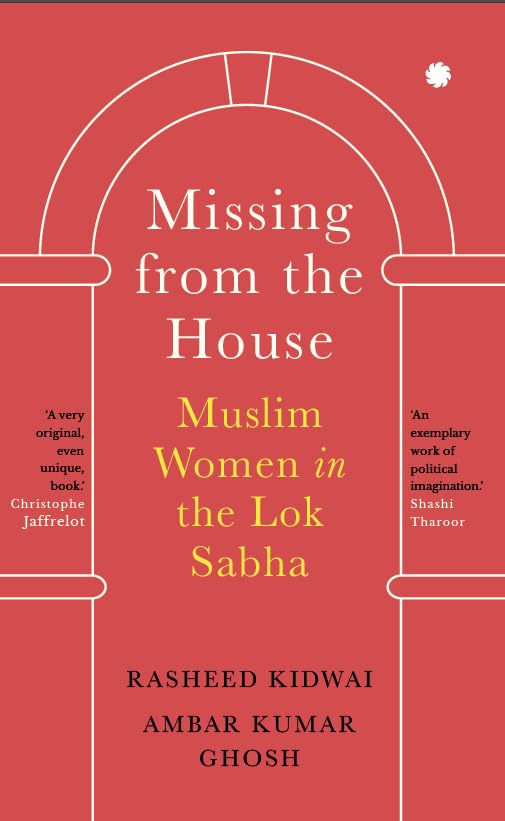
The book ‘Missing from the House: Muslim Women in the Lok Sabha,’ authored by Rasheed Kidwai and Ambar Kumar Ghosh and published by Juggernaut Books, offers a striking political portrait of the 18 Muslim women who have ever entered India’s Lower House. Since Independence, only 18 Muslim women have managed to secure a seat in the Lok Sabha. Each of them defied the weight of patriarchy, political prejudice, and cultural conservatism to carve a space in India’s parliamentary politics.
At its core, the book illuminates untold stories of leadership and agency, stories often eclipsed in mainstream discourse. It captures how these women negotiated power, resilience, and visibility in a volatile electoral arena. Through their journeys, readers gain fresh insight into the fraught relationship between gender, faith, and India’s deeply contested political landscape.
The statistics themselves speak volumes. In 75 years of parliamentary history, Muslim women have entered the Lok Sabha only 18 times. Against this stark backdrop, the authors argue, it becomes essential to trace the lives of these few but formidable leaders. They analyse their social backgrounds, political achievements, and the layered challenges they overcame. More importantly, the book brings long-overdue attention to figures whose contributions have remained largely absent from public memory. It delves not only into their personal and political lives but also into the turbulent socio-political ecosystem that shaped and tested them in India’s fiercely competitive, often violent, electoral politics.
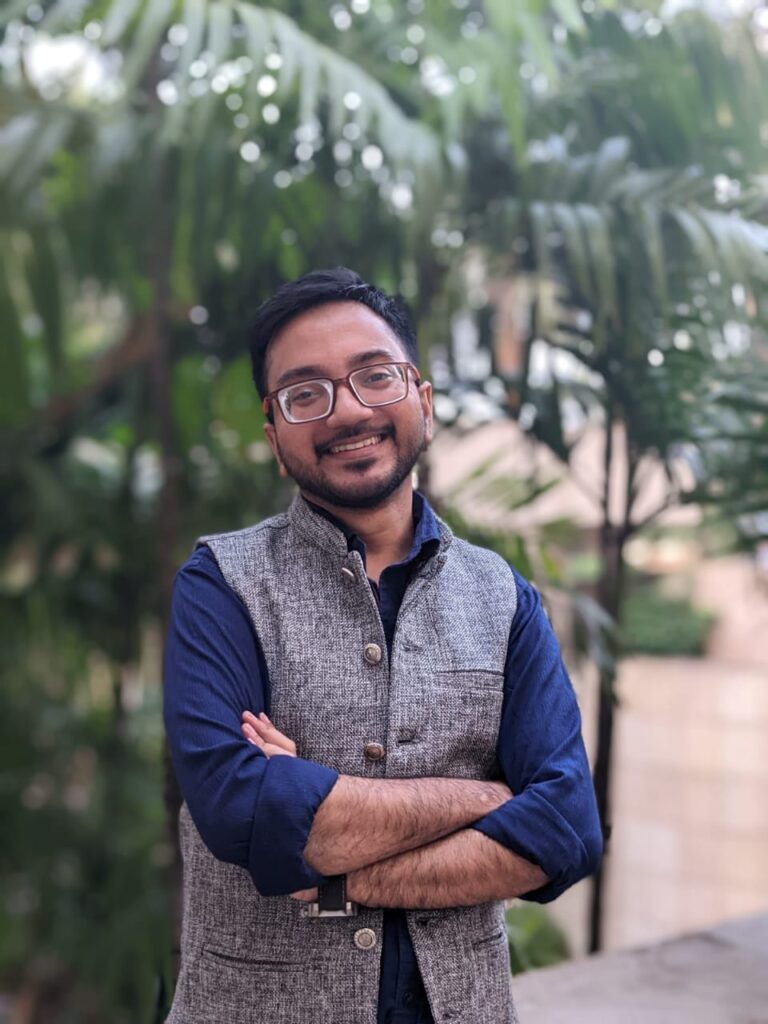
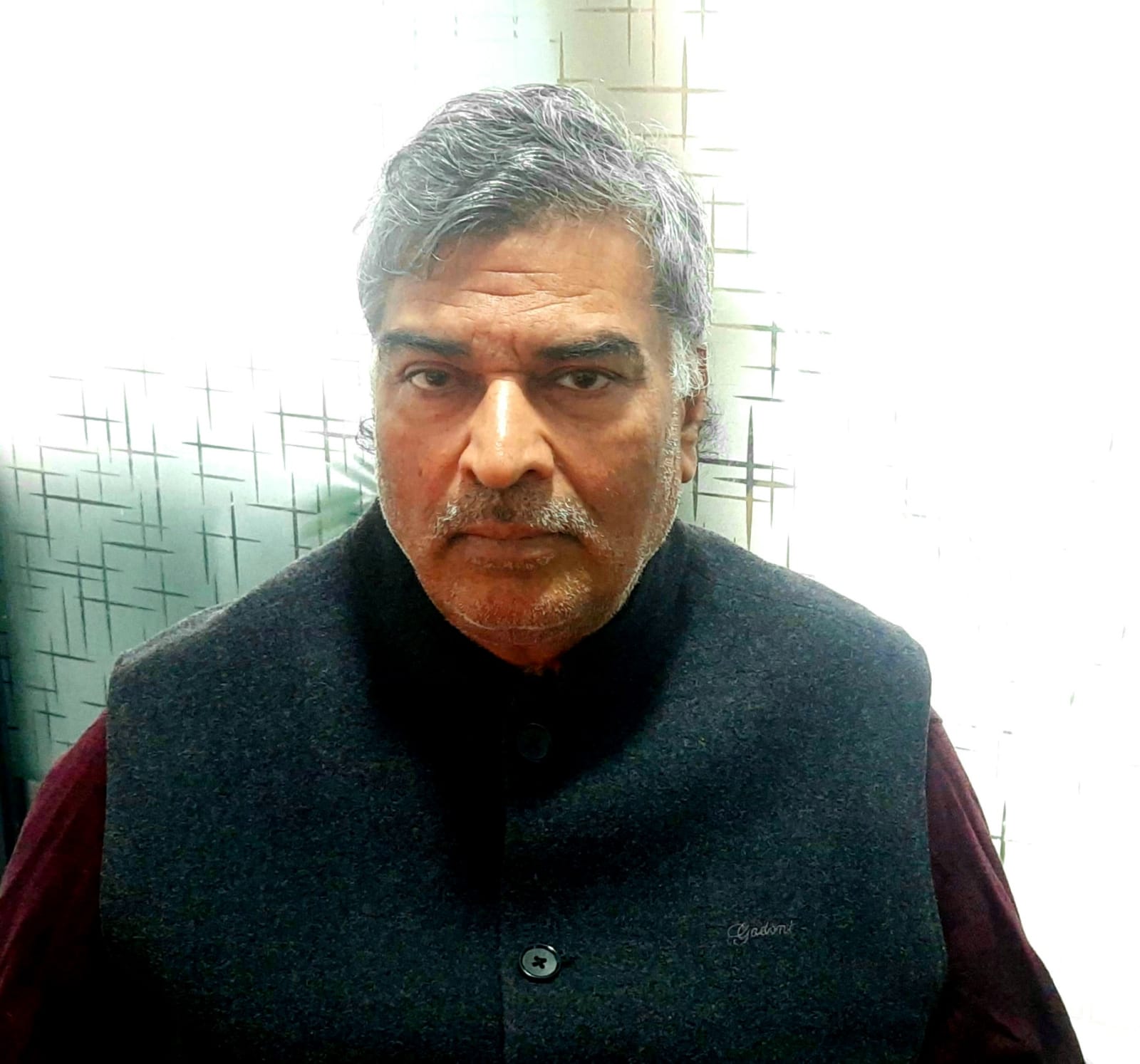
In an exclusive conversation with The Interview World, Rasheed Kidwai, eminent journalist, columnist, author, and political analyst, unpacks the inspiration behind chronicling these trailblazers. He highlights the common thread of struggle that unites their stories. He underscores how patriarchy, religious orthodoxy, and systemic exclusion uniquely shaped the trajectories of Muslim women in politics, setting them apart from their male counterparts. He also contrasts the daunting realities faced by grassroots Muslim women leaders with the relative privileges enjoyed by others.
Kidwai further reflects on the evolution of public perception toward Muslim women in politics. He identifies the most resilient among them, explains why systemic barriers persist despite a seemingly enabling ecosystem, and shares a remarkable observation: none of the 18 Muslim women parliamentarians carry major criminal or corruption charges.
What emerges is a compelling dialogue: one that not only documents history but also reframes how we understand gender, faith, and representation in India’s democracy.
Q: What inspired you to chronicle the journeys of Muslim women parliamentarians, and why do you think their stories remained untold for so long?
A: Several compelling reasons drove us to tell the stories of Muslim women MPs in the Lok Sabha. The most powerful among them was a stark reality: in 75 years of parliamentary democracy, only 18 Muslim women have ever entered the Lok Sabha. This sobering number revealed how formidable the barriers remain for Muslim women aspiring to electoral politics.
Yet, against the heavy weight of patriarchy, entrenched social prejudices, and recurring political turbulence, these women defied the odds. They navigated each obstacle with resilience and carved their space in India’s parliamentary politics. Their journeys are not just personal triumphs, they stand as vital chronicles of women’s leadership, political agency, and unwavering courage. These narratives can serve as a wellspring of inspiration for today’s aspiring women leaders.
Tragically, their voices have long been muted. Structural marginalisation, compounded by their identity as women from a minority and culturally conservative community, has pushed their stories to the margins of public discourse. We felt it was imperative to confront this silence. By bringing their stories together in our book, we seek to restore them to the place they deserve: at the heart of India’s political imagination.
Q: In your research, what common threads did you find in the struggles faced by these women parliamentarians across different decades and political contexts?
A: We seek to highlight two critical dimensions in this regard. First, the political contexts in which these women navigated parliamentary politics were remarkably diverse, spanning more than seven decades of India’s history. Their journeys unfolded across defining eras: the immediate aftermath of Independence, the turbulence of the Emergency, the transformative years of economic liberalisation, the complexities of coalition politics, and the charged atmosphere of contemporary times. Each leader acted within political landscapes that were dynamic, volatile, and often momentous.
Some entered politics through dynastic legacies, propelled by family connections that opened doors to power. Others rose from the grassroots, forging their identities through lived struggles and community engagement. These contrasting pathways shaped political experiences that were strikingly different.
Yet, one unifying thread binds them all: the relentless struggle to craft independent identities and the unwavering resilience to remain committed to public life against formidable odds. This shared determination not only defined their political journeys but also underscores the enduring spirit of leadership that transcends generations.
Q: How have patriarchy, religious orthodoxy, and systemic exclusion uniquely shaped the political journeys of Muslim women compared to their male counterparts?
A: These challenges form a recurring pattern in the political journeys of all 18 Muslim women parliamentarians featured in the book. Time and again, they confronted the weight of patriarchy, the sting of social prejudice, the constraints of cultural resistance, and the hostility of political rivals. Yet, they persevered. They broke through these barriers and secured their place in the Lok Sabha.
Once inside Parliament, they did far more than occupy seats. They excelled. They raised sharp, timely questions that reflected the pressing concerns of their constituencies. They engaged with national debates with clarity, conviction, and depth. At the same time, they demonstrated a keen awareness of global issues, asserting their presence on matters that transcended India’s borders.
In doing so, these leaders proved that their entry into politics was not symbolic but substantive. They embodied the essence of public service: fearless in voice, steadfast in purpose, and committed to shaping both national and international discourse.
Q: Several of the MPs you highlight come from political dynasties, while others rose from grassroots activism. What differences stood out in their paths to power?
A: The book makes a striking revelation: while 13 of the MPs came from political dynasties, struggle remained an inescapable reality for both dynastic and non-dynastic leaders alike. For those rising from the grassroots, the battle began the moment they resolved to enter politics. In contrast, dynastic leaders undeniably enjoyed a closer proximity to power. Yet that privilege did not shield them from adversity. Once inside the political arena, they too confronted formidable challenges: fighting to secure electoral victories, assert their individuality, and establish an independent political identity. They faced resistance from entrenched male colleagues, navigated relentless internal opposition, and worked tirelessly to leave their imprint on India’s legislative and democratic discourse.
Q: How has the perception of Muslim women in politics evolved in the eyes of the electorate, political parties, and the media over the years?
A: Our book offers a compelling observation. Muslim women leaders often, and unfairly, dismissed as “mere relatives” of influential male politicians, particularly in dynastic settings. They defied such reductive perceptions. Over time, they steadily asserted themselves as independent political actors. They carved out distinct identities, built their own credibility, and served their constituencies with diligence and resolve. Against formidable odds, they emerged not as extensions of male authority but as leaders in their own right.
Q: Among the women you wrote about, whose journey struck you the most as a symbol of resilience and why?
A: The book introduces several women whose political journeys embody resilience, grit, and unyielding determination. Consider Zohraben Akbarbai of Banaskantha, a Gandhian and social reformer, who contested elections in the early 1960s, won decisively, and established herself as an independent leader. Equally powerful is the legacy of Begum Akbar Jehan, who stepped beyond the confines of her household during one of Kashmir’s most politically turbulent periods. She emerged as the revered “Madr-e-Meharban,” or “Mother of Kindness,” offering leadership and compassion to her people. Kauser Jahan’s ascent from humble beginnings, Tabassum Hasan’s tenacious fight to uphold her family’s political legacy in the bastion of Kairana, and Mamtaz Sanghamita’s remarkable shift from medicine to Parliament. All stand as powerful testaments to courage and conviction. Together, these narratives illuminate how Muslim women leaders defied convention, transformed adversity into strength, and etched their place in India’s democratic history.
Q: Do you think today’s generation of Muslim women in politics faces a more enabling environment, or are the challenges largely unchanged?
A: The book demonstrates that, despite changing times, Muslim women leaders continue to confront deep-rooted structural barriers, entrenched societal prejudices, cultural constraints, patriarchal norms, and fierce political competition. These forces have kept the political landscape stubbornly unequal. Yet, the 18 leaders profiled here defied these odds. Through personal grit and unwavering determination, they not only overcame formidable obstacles but also carved pathways for others to follow. Their journeys stand as powerful proof that resilience and resolve can transform exclusion into leadership and adversity into achievement.
Q: What message do you hope this book sends to young Muslim women aspiring to enter politics and shape Indian democracy?
A: What stands out most strikingly is that none of the 18 Muslim women MPs faced major allegations of corruption, criminal charges, or hate speech. In an era when political life often attracts controversy, their record remains remarkably untainted. They embodied the very ideals of public service, conducting themselves as model parliamentarians. By upholding integrity and dignity in office, they set a benchmark that many MPs, both today and in the future, would do well to emulate.

1 Comment
सऊदी, कतर, ईरान, और ऐसे मुस्लिम country जंहा सभी 99% मुस्लिम population हैँ वंहा का थोड़ा data share करें तो भारतीय स्थिती थोड़ा और समझने समझाने मे आसान होगा!
Comments are closed.