

Serene Designs & Consultants Pvt. Ltd. operates at the leading edge of high-performance MEP engineering, delivering uncommon precision and unequivocal technical authority across every engagement. From its base in Delhi, the firm provides fully integrated MEP design, comprehensive building-efficiency audits, environmental pollution control solutions, exacting peer reviews, and advanced 3D modelling for mission-critical sectors ranging from hospitality and healthcare to data centers, commercial towers, residential complexes, retail environments, and institutional campuses.
Most recently, the company introduced wet-fog technology solutions designed to combat Delhi’s escalating pollution crisis. Engineered specifically to address PM2.5-driven air quality deterioration across Delhi-NCR, this system represents a targeted, science-backed intervention aimed at improving breathable air in dense urban corridors. With a firm mandate to engineer environments that are smarter, cleaner, and decisively more efficient, Serene Designs & Consultants fuses sustainability with uncompromising performance, reducing operational costs while advancing building intelligence and environmental stewardship.
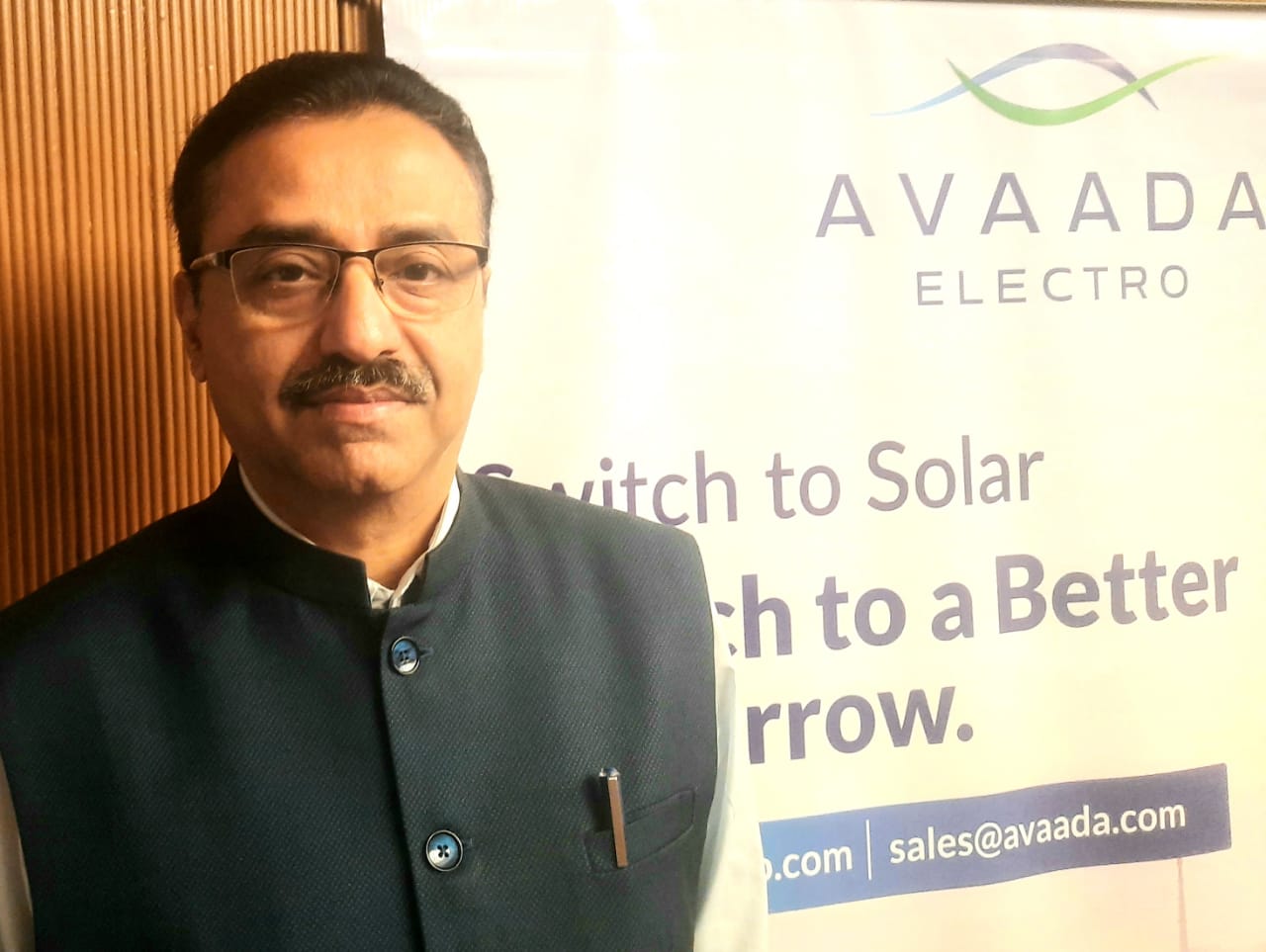
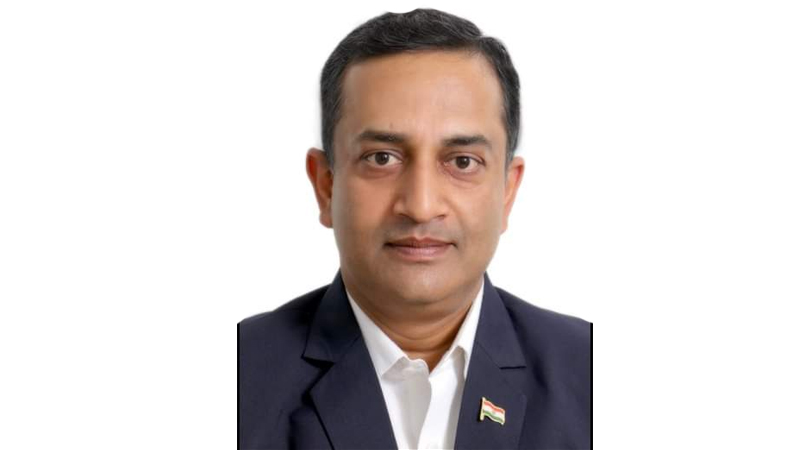
In an exclusive discussion with The Interview World at the Viksit Delhi – Viksit Tourism & Hospitality Summit, hosted by The Federation of Hotel & Restaurant Associations of India, Dr. Mohammed Nadeem, Managing Director of Serene Designs & Consultants Pvt. Ltd., outlines the firm’s technology roadmap to counter Delhi’s worsening pollution, explains the efficacy of dry-fog systems in curbing particulate matter, and details the pricing architecture behind the solution.
The following are the principal insights from this high-impact conversation.
Q: Could you elaborate on the breakthrough technologies you are deploying to meaningfully reduce Delhi’s escalating pollution burden?
A: We primarily operate as Mechanical, Electrical, and Plumbing (MEP) design consultants, delivering complex projects across the hospitality sector and partnering with virtually every leading Indian and international hotel brand. My personal specialization lies in sustainability, supported by research focused on energy conservation and green building practices. With that foundation, the solution we are advancing today is a next-generation wet-fog technology.
In this system, compressed air generates an ultrafine mist. Compared with conventional anti-smog guns, which rely on large fans to propel coarse droplets into the air, our approach represents a significant leap forward. Anti-smog guns typically produce large droplet sizes, which is why vehicles passing near them often get visibly wet. The larger the droplet, the higher the water consumption and, more critically, the lower the efficiency in capturing PM2.5 particles.
Our proposition directly addresses these limitations. We reduce the droplet size dramatically and move toward what we define as “dry fog,” the highest-performance band in the atomization spectrum. To clarify: spray systems produce large droplets; mist systems reduce the size to around 300 microns; wet fog sits below that; and anti-smog guns usually mix elements of all three. We advance to the finest category, where droplet sizes are smallest and particle capture is significantly more effective. Achieving this requires precision engineering and the use of compressors, which enable the generation of this highly refined fog.
Q: What measurable outcomes do you expect the wet-fog technology to deliver in improving air quality?
A: Let me be direct. Pollution-control interventions operate within an exceptionally complex scientific framework, influenced by numerous environmental variables. Within this context, our solution should be viewed as a clear substitute for the conventional anti-smog gun.
It offers two primary advantages, and a third that strengthens its practical value. First, it consumes significantly less water. Second, it delivers higher particulate-capture efficiency. Third, and equally important, it is far easier to install. Transporting and mounting a heavy anti-smog gun on a rooftop presents serious logistical challenges, whereas our system eliminates that burden entirely. These factors collectively form the rationale behind our proposed approach.
Q: Do you have solutions to address indoor air-quality and pollution control?
A: I see a crowded landscape filled with hundreds of solutions, many of them effective and widely accessible. Indoor air purifiers and similar technologies already address enclosed environments comprehensively. However, our solution targets a different arena altogether. It is designed primarily for outdoor air, where the challenge is larger, more dynamic, and far more difficult to control.
Q: What level of market response are you receiving from commercial and large buildings for these products?
A: Today marks the first time we have formally introduced this solution. As organizations become aware of its capabilities and effectiveness, we expect responses to follow and interest to build accordingly.
Q: How is the pricing of this solution determined, and what key cost components should decision-makers consider?
A: The cost will ultimately depend on the number of nozzles required, which in turn is driven by their spacing and the linear length available for installation. Multiple variables come into play, which means every building will require a tailored configuration. There is no possibility of a standard, one-size-fits-all product. The perimeter wall, its layout, and its total length collectively determine the final design and, consequently, the overall cost.