
India’s food processing industry has entered a decisive phase. It is no longer driven by fragmented, process-led interventions; instead, it is rapidly evolving into an integrated, end-to-end value chain that delivers scale, efficiency, and measurable nutritional outcomes. Consequently, the strategic focus has shifted. The industry now moves beyond mere food availability and prioritizes nutrition security, ensuring access to safe, affordable, and nutrient-dense food for a growing population.
However, the sector must also confront deeply entrenched perceptions that associate processed food with poor health. Here, advances in food science play a pivotal role. Innovations in fortification and modern processing technologies are actively reshaping this narrative, repositioning processed food as a reliable and scalable source of nutrition.
At the same time, strong policy support and innovation-led growth are reinforcing this transformation. Together, they are enabling the industry to reduce post-harvest losses, enhance farmer incomes, and strengthen public health outcomes. Yet, a critical challenge persists: how can the sector simultaneously ensure affordability, build consumer trust, and deliver nutrition at scale?
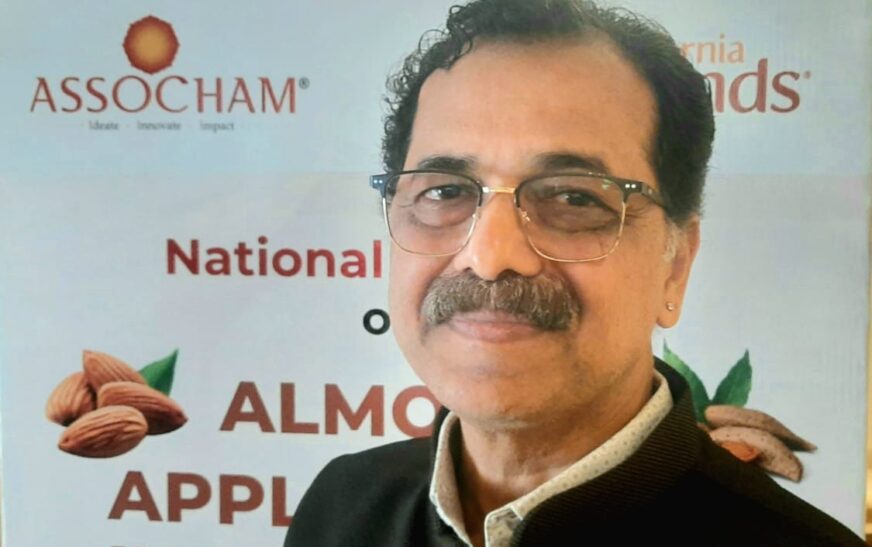
In an exclusive interaction with The Interview World, on the sidelines of the ASSOCHAM programme on “Almond Applications in the Indian Food Sector,” Dr. Jitendra P. Dongare, Deputy Agricultural Marketing Advisor, Ministry of Food Processing Industries, Government of India, addresses these imperatives. He outlines the forces shaping the industry’s future, examines how misconceptions around processed food can be dismantled, and explains how the sector can drive India’s transition from food security to nutrition security. He also highlights the strategic role of almonds in advancing the country’s nutritional agenda. The following are the key insights from this compelling conversation.
Q: What will shape the future of the food processing industry?
A: The earlier approach focused narrowly on process-support interventions. Now, we are shifting decisively toward building robust, end-to-end infrastructure, from production to market access. In other words, we are developing an integrated value chain that enables scale, efficiency, and quality at every stage.
To operationalize this, the ministry is advancing targeted initiatives, alongside flagship programs such as the PLI scheme and the PMFME scheme, which specifically support micro-entrepreneurs. Together, these efforts are strengthening both institutional capacity and grassroots participation.
At the same time, we are recalibrating how processed food is positioned in the public discourse. There is a persistent perception that processed food is synonymous with excessive preservatives and harmful chemicals. We are actively challenging this narrative. Advances in food science and processing technologies now enable the production of safe, nutritious, and minimally treated foods without compromising health standards.
Therefore, our focus is clear: we are promoting processed food not merely as convenient, but as credible, healthy nutrition. Through innovation, technology adoption, and awareness-building, we are reshaping both the ecosystem and consumer perception.
Q: How do you address common misconceptions around processed food?
A: Many consumers hold a negative perception of processed foods, particularly ultra-processed products and those high in fat, sugar, and salt. Therefore, we are addressing this concern with clear, science-based evidence.
First, food processing is not optional; it is essential. Without adequate processing, post-harvest losses remain unacceptably high, undermining both food security and farmer incomes. In contrast, processing significantly extends shelf life. As a result, it improves product stability, reduces waste, and ensures consistent availability for consumers.
At the same time, we must communicate this more effectively. Modern processing technologies are designed to preserve safety, quality, and nutritional value, not to compromise them. Therefore, we are actively informing consumers that properly processed foods meet stringent safety standards and play a critical role in a resilient food system.
Q: How can the processed food industry help India transition from food security to nutrition security?
A: Processed food, when done correctly, preserves and, increasingly, enhances nutritional value. Today, fortification plays a central role in this transformation. For instance, milk is now fortified with vitamins A and D. Similarly, staples such as pulses and rice are fortified with essential micronutrients like iron.
As a result, fortification directly strengthens nutritional outcomes at scale. It addresses widespread deficiencies and improves the quality of everyday diets without requiring major shifts in consumption patterns.
Earlier, the primary challenge was food security, ensuring sufficient availability. We have made significant progress on that front. Now, the focus has shifted to nutritional security, ensuring that the available food delivers adequate and balanced nutrition.
To accelerate this transition, the ministry actively supports food producers and processing units that adopt fortification practices. Through policy support, incentives, and ecosystem development, we are enabling the large-scale production of nutrient-enriched foods. Consequently, we are building a more resilient system that delivers not just food, but meaningful nutrition to the population.
Q: What role can almonds play in achieving nutritional security in the country?
A: Almonds are a nutritionally dense commodity with strong antioxidant properties. However, cost remains a critical barrier. For a large segment of the Indian population, price directly influences purchasing decisions. Therefore, affordability must shape any strategy to scale consumption.
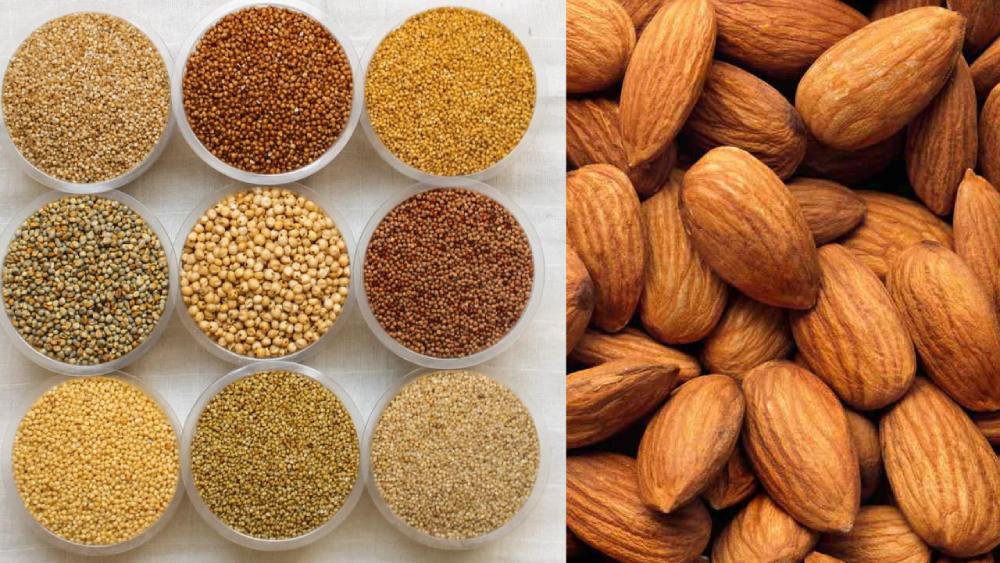
Encouragingly, innovation is addressing this constraint. Several organizations are developing value-added products that make almonds more accessible. For example, blending almond powder with millet flour reduces overall cost while enhancing nutritional value. This approach delivers the combined benefits of almonds and millets, improving both macro- and micronutrient intake.
As a result, such product innovations create a viable pathway to expand almond consumption. They align affordability with nutrition, and therefore, hold significant potential to drive wider adoption across the population.