


Founded in 1974, the Indian Vegetable Oil Producers’ Association (IVPA) stands as the commanding voice of India’s edible oil and oilseed industry. Headquartered in New Delhi, IVPA brings together producers, processors, and distributors with a shared purpose to shape and strengthen the future of India’s vegetable oil ecosystem.
More than an association, IVPA is a catalyst for transformation. It leads policy dialogues, champions sustainability, and drives innovation that keeps India’s kitchens, businesses, and industries thriving. Through rigorous research, strategic collaboration, and strong advocacy, IVPA enables its members to compete intelligently, expand sustainably, and lead with confidence.
Amid global volatility and domestic challenges, IVPA remains a trusted compass for the sector. It steers stakeholders toward greater transparency, operational efficiency, and long-term resilience. For IVPA, it’s not merely about oil production; it’s about cultivating an ecosystem that fuels India’s economic and nutritional growth story.
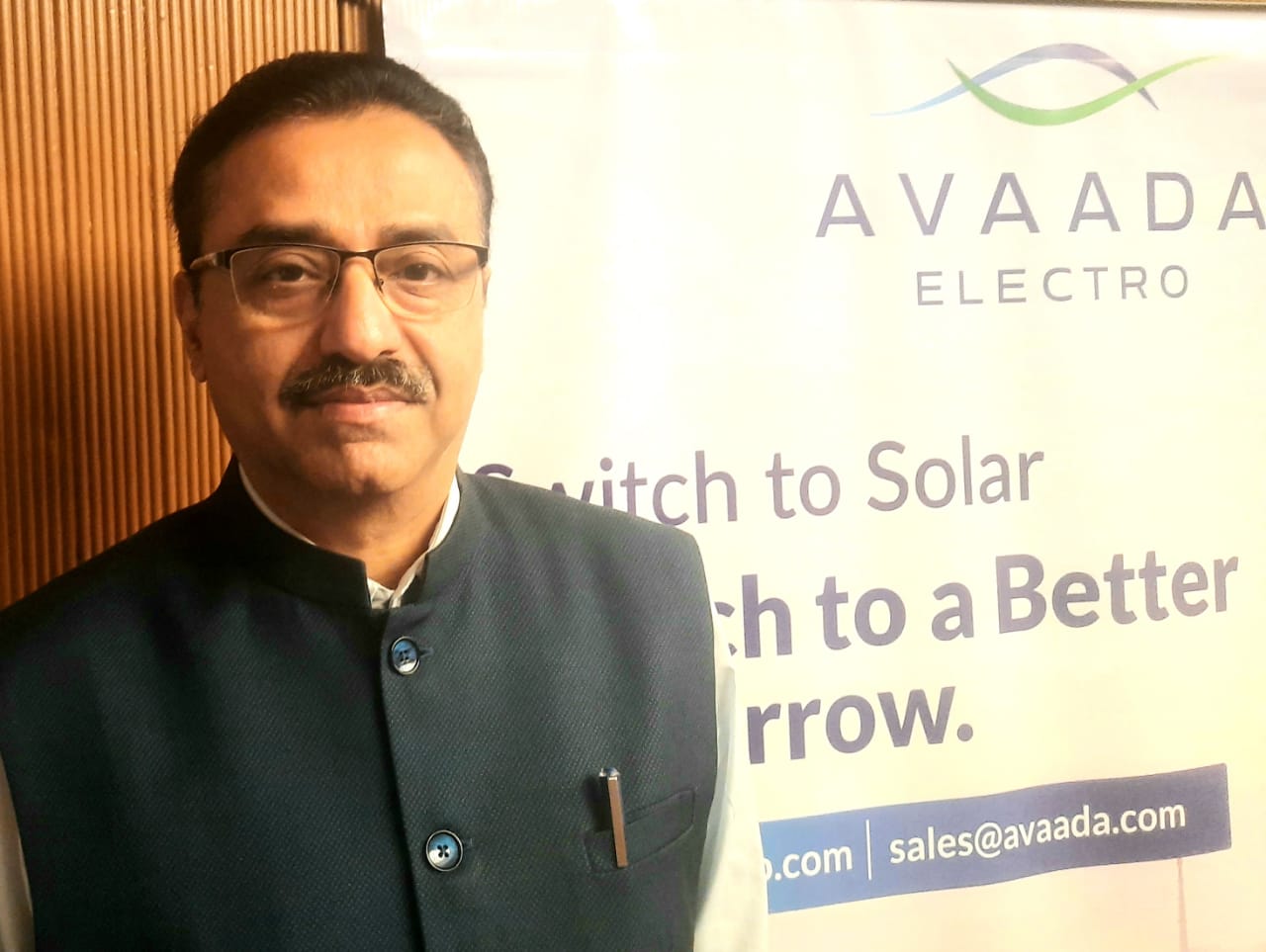
In an exclusive interaction with The Interview World, Bhavna Shah, Vice President of IVPA, outlines the association’s strategic priorities for the next three to five years. She discusses the most pressing challenges confronting India’s edible oil industry and how IVPA is addressing them. Shah also highlights the technological innovations with the greatest potential to revolutionize the sector, identifies critical policy reforms needed to fortify India’s edible oil landscape, and underscores the central role of sustainability across the supply chain.
What follows are the key insights from her compelling conversation.
Q: What is IVPA’s current strategic priority over the next 3–5 years, and how do you plan to drive it forward?
A: IVPA’s core priorities are closely aligned with India’s national goal of reducing import dependency and strengthening self-reliance in edible oils. Over the next three to five years, the association aims to work in close partnership with the Government to frame and implement policies that promote balanced growth across the entire value chain, from farmers and processors to distributors and consumers.
A key focus will be the development of a dynamic duty slab mechanism that allows all stakeholders to respond swiftly and effectively to market fluctuations, ensuring greater price stability and competitiveness. At the same time, IVPA is committed to addressing critical policy inconsistencies that hinder the sector’s progress, including the inverted GST structure, zero-duty imports permitted under certain free trade agreements, and restrictive standard pack regulations governing edible oils and fats.
Through this multi-pronged approach, IVPA continues to emphasize collaborative engagement and data-driven advocacy, driving actionable reforms that will enable India’s edible oil sector to grow sustainably, strengthen its global competitiveness, and contribute meaningfully to the nation’s economic self-reliance.
Q: What are the most significant challenges currently facing India’s edible/ vegetable oils sector, and how is IVPA working to improve domestic oilseed production and reduce imports?
A: India’s edible oil sector continues to grapple with deep-rooted challenges: high import dependency, price volatility, and persistent policy inconsistencies. Recognizing these issues, IVPA has taken a proactive stance through structured policy engagement and strategic advocacy aimed at driving systemic reform.
Earlier, IVPA proposed a ₹30,000 crore investment over five years to strengthen oilseed and oil palm cultivation — recommendations that have since been reflected in the Government’s National Mission on Oilseeds and Oil Palm (NMEO-OP). Building on this momentum, IVPA continues to collaborate with select State Governments to accelerate on-ground implementation and encourage greater industry participation.
At the same time, IVPA is forging partnerships with Farmer Producer Organizations (FPOs) and private sector players to enhance localized value addition, develop robust risk management models for minimum support prices, and deepen farmer linkages across the supply chain. Equally important, the association continues to champion the strict enforcement of the loose oil sales ban and the prohibition of reused tins, critical measures to uphold consumer safety, ensure product integrity, and maintain trust in the marketplace.
Q: From your perspective, what technological innovations have the greatest potential to transform the vegetable oil industry in India?
A: Technology will define the next phase of growth and competitiveness in India’s edible oil sector. As the industry evolves, innovation must move from the periphery to the core of every operation, from farms to processing units. The adoption of genetically modified (GM) technology, once regulatory clearances are secured, along with advanced farm management practices, will significantly boost productivity and resource efficiency. Equally vital is a stronger focus on research and development, supported by targeted grants to accelerate the creation of indigenous hybrid seed varieties suited to Indian agro-climatic conditions.
At the farm level, data-driven agriculture will be transformative. The integration of soil analytics, precision fertilization, and drone-based mechanization can help farmers optimize inputs and improve yields sustainably. Coupled with improved weather forecasting models linked to crop insurance schemes, smallholders will gain better protection against climate-induced risks. Moreover, deploying technologies that minimize pre- and post-harvest losses will strengthen efficiency across the value chain, ensuring higher returns for farmers and a more resilient supply system overall.
Q: What are the top policy reforms or regulatory changes you believe are essential to strengthen India’s edible oils sector, and how is IVPA engaging with the government to achieve them?
A: A stable, transparent, and predictable policy environment is vital to ensuring sustained growth in India’s edible oil sector. To achieve this, several key reforms must take priority. First, establishing a dynamic import duty structure is essential to balance the interests of both farmers and consumers while enabling the industry to adapt swiftly to market shifts. Second, expanding incentives for oilseed cultivation, backed by improved access to finance, modern technology, and agronomic support, will help boost domestic production and reduce import dependency. Third, modernizing quality and packaging standards is critical to ensure uniform compliance, enhance consumer trust, and promote India’s competitiveness in global markets.
IVPA remains deeply engaged with the Government to advance these reforms through structured consultations, evidence-based policy papers, and data-driven insights. By fostering open dialogue and pragmatic collaboration, the association ensures that every reform remains inclusive, forward-looking, and fully aligned with India’s national development goals.
Q: How does IVPA view the role of sustainability in the edible oil supply chain, and what concrete steps is it advocating or undertaking?
A: Sustainability lies at the heart of IVPA’s long-term strategy, not as an obligation, but as a powerful enabler of growth and resilience. The association integrates sustainability into every aspect of its agenda, ensuring that progress and responsibility move hand in hand. IVPA promotes responsible sourcing and fully traceable supply chains to strengthen environmental accountability and ethical trade practices. It also drives energy-efficient refining and waste minimization initiatives across member industries to reduce the sector’s ecological footprint. Equally important, IVPA advocates climate-resilient crop practices and inclusive farmer engagement models that harmonize productivity with social equity.
Through continuous collaboration with policymakers, industry leaders, and stakeholders, IVPA is shaping a future where India’s edible oil ecosystem grows responsibly, advancing the nation’s nutritional security while safeguarding its environmental sustainability.





1 Comment
This was very well laid out and easy to follow.
Comments are closed.