

India’s drive for self-reliance in edible oil production has gained remarkable momentum in recent years, fueled by innovative research and strategic policy initiatives. Leading this charge, the Indian Council of Agricultural Research (ICAR) leverages its network of specialized institutes to advance crop improvement, refine agronomic practices, and extend knowledge directly to farmers. By developing climate-resilient varieties and promoting sustainable oil palm cultivation, ICAR aims to narrow the nation’s persistent demand–supply gap in edible oils. In this interview, a senior ICAR expert shares insights on the latest technological advancements and policy priorities shaping the future of India’s oilseed sector.
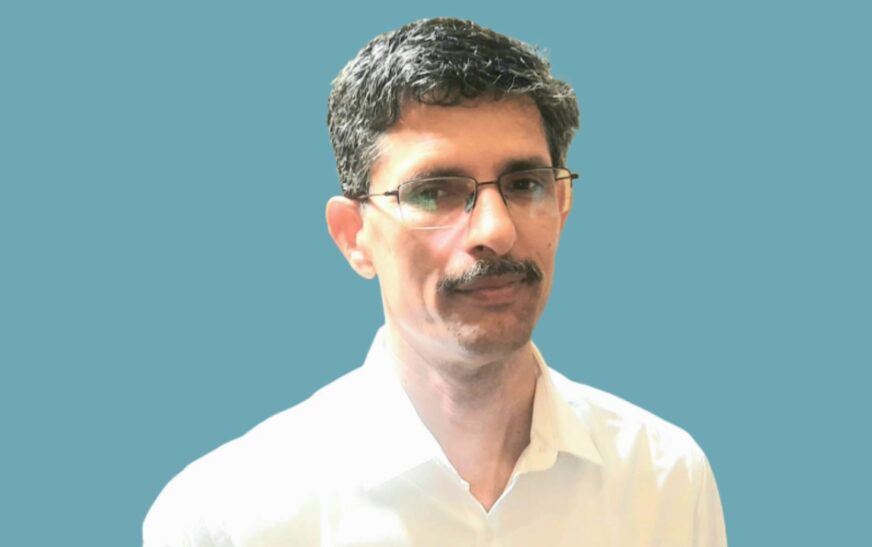
Against this backdrop, The Interview World spoke with Dr. Purushottam Sharma, Principal Scientist, ICAR–National Institute of Agricultural Economics and Policy Research, during the High-Level Policy Dialogue on “Navigating India’s Policy Landscape in the Edible Oil Sector,” organized by ASSOCHAM. Dr. Sharma elaborated on the cutting-edge research and developments spearheaded by ICAR institutes, explained the production technologies being promoted, highlighted critical policy interventions to strengthen the edible oil sector, and outlined measures to expand domestic oil palm cultivation while reducing imports. Here are the key takeaways from his insightful conversation.
Q: What recent research and developments are taking place in the field of edible oilseeds in India through ICAR institutes?
A: In agricultural research, the Indian Council of Agricultural Research (ICAR) operates several specialized institutes dedicated to different oilseed crops. The ICAR–Indian Institute of Rapeseed-Mustard Research, located in Sewar, Bharatpur, focuses on rapeseed and mustard. Similarly, the ICAR–National Institute of Soybean Research in Indore addresses soybean improvement, while the ICAR–Indian Institute of Oilseeds Research in Hyderabad and the ICAR–Indian Institute of Oil Palm Research in Pedavegi, Andhra Pradesh, concentrate on other major oilseed crops. In addition, the ICAR–Indian Institute of Groundnut Research in Junagadh, Gujarat, leads research on groundnut cultivation.
Collectively, these institutes develop high-yielding and resilient crop varieties. “Improved varieties” refer to those that offer higher productivity and greater resistance to biotic and abiotic stresses—such as pests, diseases, drought, and temperature extremes. By addressing the challenges posed by climate variability and pest infestations, these institutions work to ensure sustainable oilseed production across diverse agro-climatic zones.
As for my institute, the ICAR–National Institute of Agricultural Economics and Policy Research (NIAP), we primarily engage in policy-oriented research. Our focus lies in analysing and formulating strategies that support agricultural innovation, resource efficiency, and overall sectoral growth.
Q: Are these institutes currently engaged in developing and promoting production technologies for oilseeds?
A: Yes. These institutes are also deeply engaged in developing advanced production technologies. Their focus is on designing and refining agronomic practices that enhance crop yields at the farmer level.
Beyond research, a crucial component of their work lies in capacity building. Through these institutes, ICAR regularly trains faculty members from Krishi Vigyan Kendras (KVKs) and various line departments. This ensures that the latest technologies and innovations are effectively transferred from research laboratories to the farmers’ fields.
Moreover, the institutes provide weekly seasonal advisories tailored to specific crops and prevailing climatic conditions. These advisories, disseminated widely through both print and electronic media, guide farmers in making timely and informed decisions. By aligning scientific knowledge with field realities, the institutes help farmers adapt to dynamic weather patterns and optimize their productivity.
Ultimately, this integrated approach, combining technology development, capacity building, and real-time communication, defines the core mission of ICAR’s research institutes.
Q: What policy interventions do you believe are needed to strengthen India’s edible oil sector and bridge the existing demand–supply gap?
A: When we look at policy interventions, one of the most pressing challenges in oilseed cultivation is the large yield gap, often ranging from 30 to 50 percent in some crops. Bridging this gap represents the single most effective way to enhance oilseed production across the country.
The primary reason for this yield gap lies in the low adoption of recommended production technologies. As I mentioned earlier, many farmers do not follow the full package of practices prescribed by research institutes. In contrast, farmers who adopt these recommended practices consistently achieve significantly higher yields.
For instance, during my interactions with soybean farmers, I observed stark differences even within the same village. Farmers who followed the prescribed package of practices achieved yields exceeding 20 quintals per hectare, while those who did not adopt them harvested less than 10 quintals per hectare. Such variations clearly demonstrate how adoption levels directly influence productivity.
The use of high-yielding, quality seed varieties, combined with proper crop management and protective irrigation, can dramatically improve output. Given the unpredictability of weather and frequent climatic shocks, yield fluctuations at the farm level remain high. However, the widespread adoption of climate-resilient technologies and varieties can stabilize production and substantially boost yields.
Ultimately, promoting full adoption of these proven technologies, through effective extension, incentives, and farmer awareness, should be at the heart of any oilseed policy intervention.
Q: India imports nearly 50% of its edible oil from palm-producing nations. What measures are being taken to expand domestic oil palm cultivation and reduce imports?
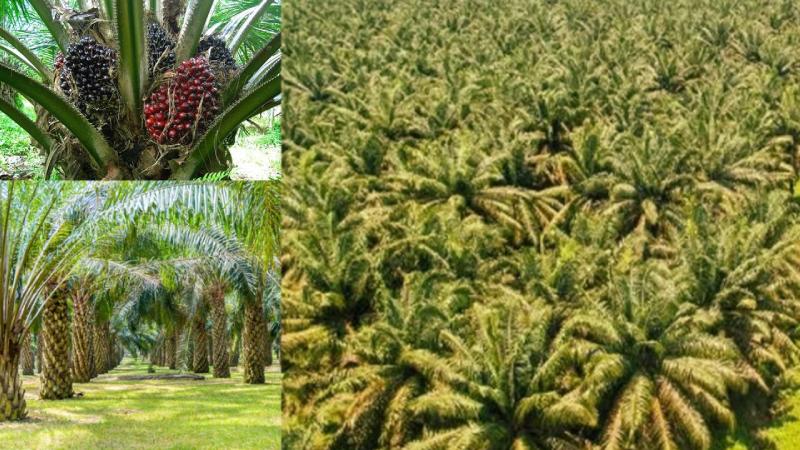
A: The government is actively working to increase domestic production of edible oils, and palm oil forms a key part of this strategy. Since the oil recovery rate from palm is relatively high, the government has placed particular emphasis on expanding palm oil cultivation across the country.
To achieve this, a dedicated initiative, the National Mission on Edible Oils (Oil Palm), has been launched under the broader National Mission on Edible Oils. This mission operates through two major components: one focusing on oilseeds and the other on oil palm.
Under the oil palm component, the government aims to expand the area under palm cultivation from the current 3.5 lakh hectares to nearly 10 lakh hectares. The rationale is clear: India possesses large tracts of underutilized land that can be effectively brought under palm cultivation.
Oil palm offers farmers a long-term and sustainable source of income. Once planted and properly managed during the initial years, each palm continues to produce for more than two decades, often up to 25 years or more. In essence, a single investment in oil palm cultivation yields steady returns over a long period, making it both an economically and strategically sound choice for enhancing the nation’s edible oil security.







3 Comments
Nicely covered interview. Dr. Purushottam’s replies are very elaborate and apt. His experience and clarity of thoughts are praiseworthy.
I feel, a small discussion on MSP of soybean would have added to to the purpose of the interview. [Presently, soybean is traded at much lower price than MSP compelling farmers to think of an alternative kharif crop].
This is exactly the kind of content I’ve been searching for.
I enjoy reading and I conceive this website got some genuinely utilitarian stuff on it! .
Comments are closed.