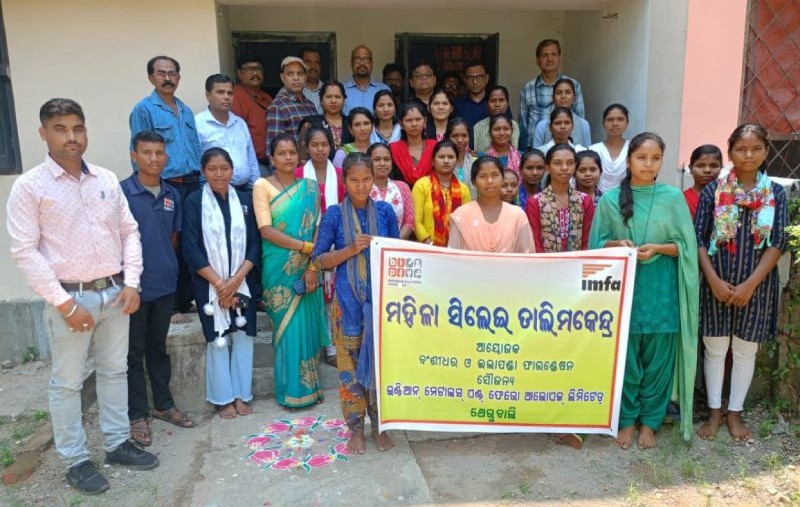


Bansidhar & Ila Panda Foundation is driving transformative change to empower women across six districts in Odisha. At the core of its approach is inclusivity, seamlessly integrating livelihood training with maternal and child health programs, preventive healthcare, and water sanitation initiatives. The Foundation focuses on sustainable impact, equipping women with skills to achieve economic independence while fostering awareness that resonates across generations. By revitalizing self-help groups and leveraging digital tools for financial and market access, it connects policy, technology, and community engagement, redefining women’s empowerment in both rural and urban contexts.
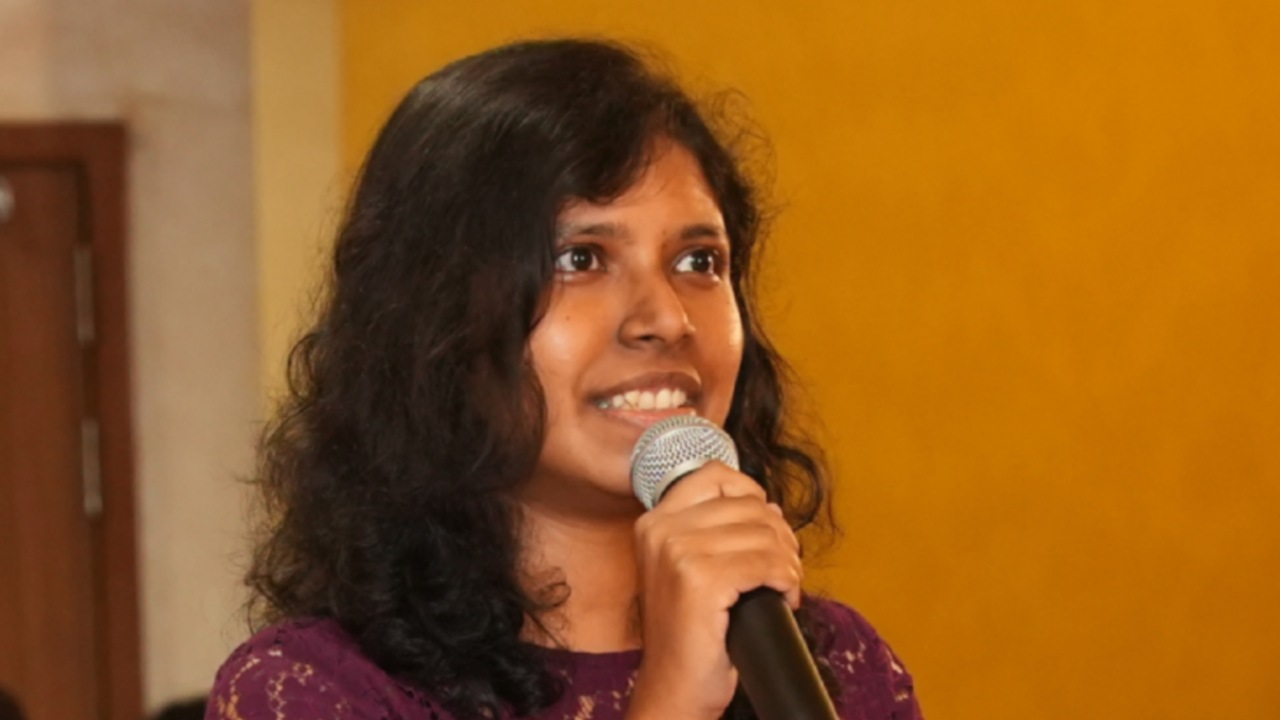
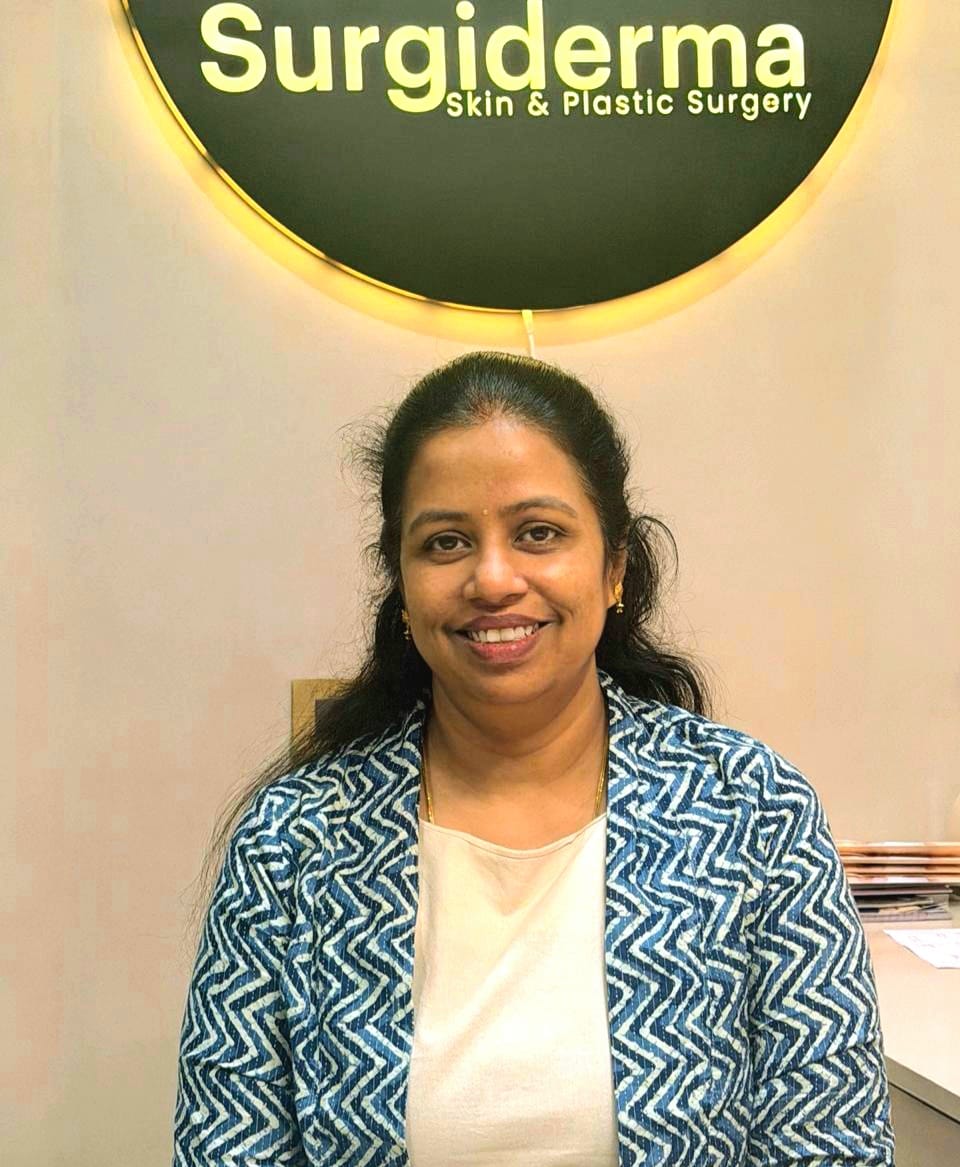
In an exclusive conversation with The Interview World at Ideate 2025, hosted by FICCI under the theme “Margin to Mainstream: Empowering Women to Lead,” Shaifalika Panda, Founder & CEO of Bansidhar & Ila Panda Foundation, highlights the Foundation’s flagship initiatives. She discusses the inclusive nature of women empowerment, emphasizes the critical role of economic independence, explains how policy interventions can elevate women to leadership positions, and underscores the transformative power of digital inclusion in creating opportunities for women.
Q: How is your Foundation contributing to women empowerment in the areas where you operate?
A: We operate across six districts in Odisha, placing women at the heart of everything we do. Our approach is holistic, integrating livelihood training with maternal and child health, preventive healthcare, and extensive water sanitation initiatives. We believe that empowering women goes beyond providing skills; it requires raising awareness to ensure lasting impact. By fostering knowledge and capacity simultaneously, we aim to create sustainable change that resonates across generations.
Q: In your view, how inclusive has the women’s empowerment movement been so far?
A: The movement is fundamentally about inclusiveness, as its core aim is to integrate women into the mainstream across all spheres. When we speak of “margins to mainstream,” this applies to both rural and urban contexts. Even in urban settings, exclusion persists, while in rural areas, it is often more pronounced. Therefore, placing inclusion at the center is critical. The goal is to ensure women have access to every sector and opportunity, empowering them to participate fully and shape every segment of society.
Q: Economic empowerment is often considered essential for women’s progress. How do you view its role in advancing women’s overall empowerment?
A: Economic empowerment is at the heart of our work with SAG women. We equip them with livelihood skills and guide them to become micro and nano entrepreneurs. Women begin in their membership cohorts, and we focus on reviving defunct SAGs to unlock economic opportunities. This structured support enables them to build financial independence and sustain their growth over time.
Q: From a policy perspective, what kinds of measures are needed to empower women and help them rise to leadership positions?
A: There are many good policies in place, but stakeholders must act as catalysts. They need to guide beneficiaries toward the programs and opportunities available, whether from the private sector, central government, or state initiatives. Many people remain unaware of the resources around them. By connecting the dots and linking women to these programs, stakeholders can bridge this gap. While policies could be further strengthened to enhance financial inclusion, there is already substantial work that can be leveraged to create meaningful impact.
Q: How does digital inclusion contribute to empowering women in today’s world?
A: Digital inclusion is no longer optional; it is essential in today’s world. Technology underpins every aspect of our work, from collecting data to mapping how we reach beneficiaries, to teaching basic digital skills that enable people to function effectively. Today, even our SAG women conduct banking on their phones, and we connect them to market linkages through apps. Without digital access, progress stalls, and reaching the last mile becomes impossible. Integrating technology is therefore central to empowering women and ensuring sustainable impact.