
Begging in India arises from entrenched poverty, chronic unemployment, disability, and the absence of robust social security. These systemic failures push migrants, abandoned elders, and differently abled individuals onto the streets. The plight worsens when organized rackets exploit this vulnerability for profit.
Legislation such as the Bombay Prevention of Begging Act, 1959 criminalizes begging in several states. Yet, in recent years, the judiciary has shifted the discourse—calling for rehabilitation over punishment. In parallel, government schemes, state missions, and the Central Social Welfare Board extend shelter, skill training, and employment. The National Human Rights Commission has gone a step further, urging a rights-based approach to address the crisis.
However, lasting change demands more than stopgap measures. It requires education, healthcare, and vocational opportunities that restore dignity and enable reintegration into society. Breaking the cycle of dependence is key.
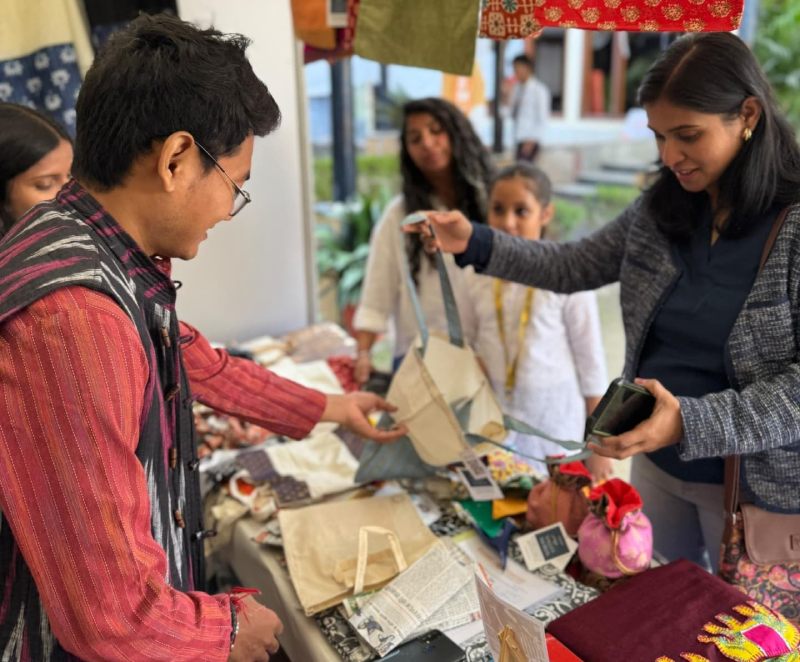
In this spirit, Beggars Corporation pioneers an innovative model—“One Beggar, One Mentor”—that transforms charity into empowerment. The initiative offers training, product development, marketing support, and financial guidance. Participants evolve into entrepreneurs who earn, pay GST, and hold equity in their ventures. The result: self-reliance, sustainable livelihoods, and a decisive break from dependency.
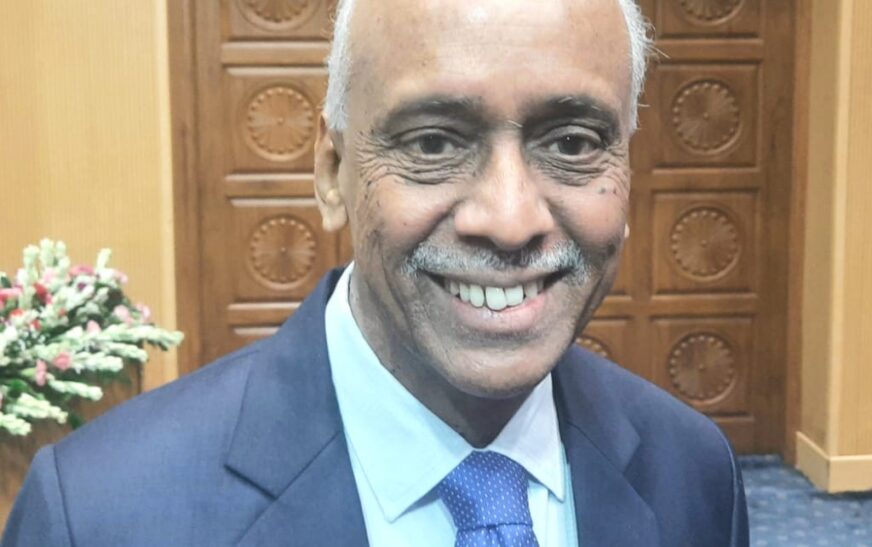
During an exclusive conversation with The Interview World at a book launch organized by Beggars Corporation, Justice V. Ramasubramanian, Chairperson of the National Human Rights Commission, offered a compelling human rights perspective. He discussed pathways to rehabilitate beggars and restore their dignity, assessed the transformative impact of Beggars Corporation’s initiatives, and shared his stance on the decriminalization of beggary. He also reflected on India’s broader position in advancing human rights.
Here are the key takeaways from his thought-provoking exchange.
Q: From a human rights perspective, what would an ideal societal framework look like to rehabilitate beggars and integrate them into a life of dignity?
A: The ultimate goal must be the complete eradication of beggary. Unfortunately, from colonial times, India inherited laws that criminalized the act without addressing its root causes. These laws focused on what people did, not why they did it—penalizing the destitute instead of understanding their plight.
Recognizing this injustice, the Supreme Court has affirmed that poverty and the inability to sustain oneself are not crimes. In July 2024, the National Human Rights Commission reinforced this position, issuing an advisory to the Government of India on concrete steps to address the issue.
The reality is stark: many are driven to beg because they lack access to dignified employment. Here, constitutional principles provide a moral compass. Once Article 21 of the Constitution is interpreted—as the Supreme Court has—to encompass not only the right to life but also the right to live with dignity, it becomes clear that begging is fundamentally incompatible with this guarantee.
Therefore, the path forward demands more than legal reform. It requires mobilizing individuals, institutions, and corporations—especially through robust CSR initiatives—to create sustainable opportunities. By replacing alms with meaningful work, society can dismantle the conditions that perpetuate beggary and uphold the dignity enshrined in our Constitution.
Q: How do you assess the effectiveness and impact of the initiatives undertaken by the Beggars Corporation?
A: Beggars Corporation has embarked on a series of truly remarkable initiatives. What struck me most was their bold redefinition of identity—they refuse to call themselves an NGO, rather they call themselves a “for-profit with purpose” enterprise. Nevertheless, they champion a different mindset: don’t donate—invest.
This shift transforms the relationship entirely. When someone invests and earns a return, the recipient does not feel indebted. It removes the invisible hierarchy that donations often create, where the donor occupies a higher pedestal and the recipient is relegated to a lower one.
In this model, investment replaces charity, fostering a spirit of partnership rather than pity. Both sides benefit. The investor gains a return, and the recipient gains dignity.
By reframing support as investment, Beggars Corporation has introduced a refreshingly novel and empowering approach to addressing the culture of begging. It is not charity—it is collaboration with purpose.
Q: What is your perspective on the decriminalization of beggary—should it be celebrated more?
A: Yes, exactly. In my speech, I emphasised that the decriminalisation of beggary deserves far greater celebration. It is not a mere legal reform—it strikes at the very core of human dignity.
Seeing a fellow human being on the street, pleading for food, should jolt the conscience of every citizen. Such a sight is not just a social failure; it is a moral indictment.
In fact, I drew from the timeless wisdom of the Thirukkural. It declares that if even a single human must beg to survive, then let the Creator Himself perish. The message is stark, yet profoundly true: a world that tolerates begging has failed its most basic duty to its people.
Q: Where does India currently stand in terms of human rights, and what direction are we taking for the future?
A: Our society is deeply diverse, and with such diversity come complex challenges. Inevitably, human rights violations occur—committed both by state actors and non-state actors.
When non-state actors cross the line and violate the rights of others, the natural expectation is for the state to step in and protect those rights. It is at this intersection that many conflicts arise.
Recognising this, we are working with utmost urgency to strengthen India’s human rights institutions. The goal is clear: to ensure they have the capacity, authority, and resilience to safeguard the dignity and rights of every individual.