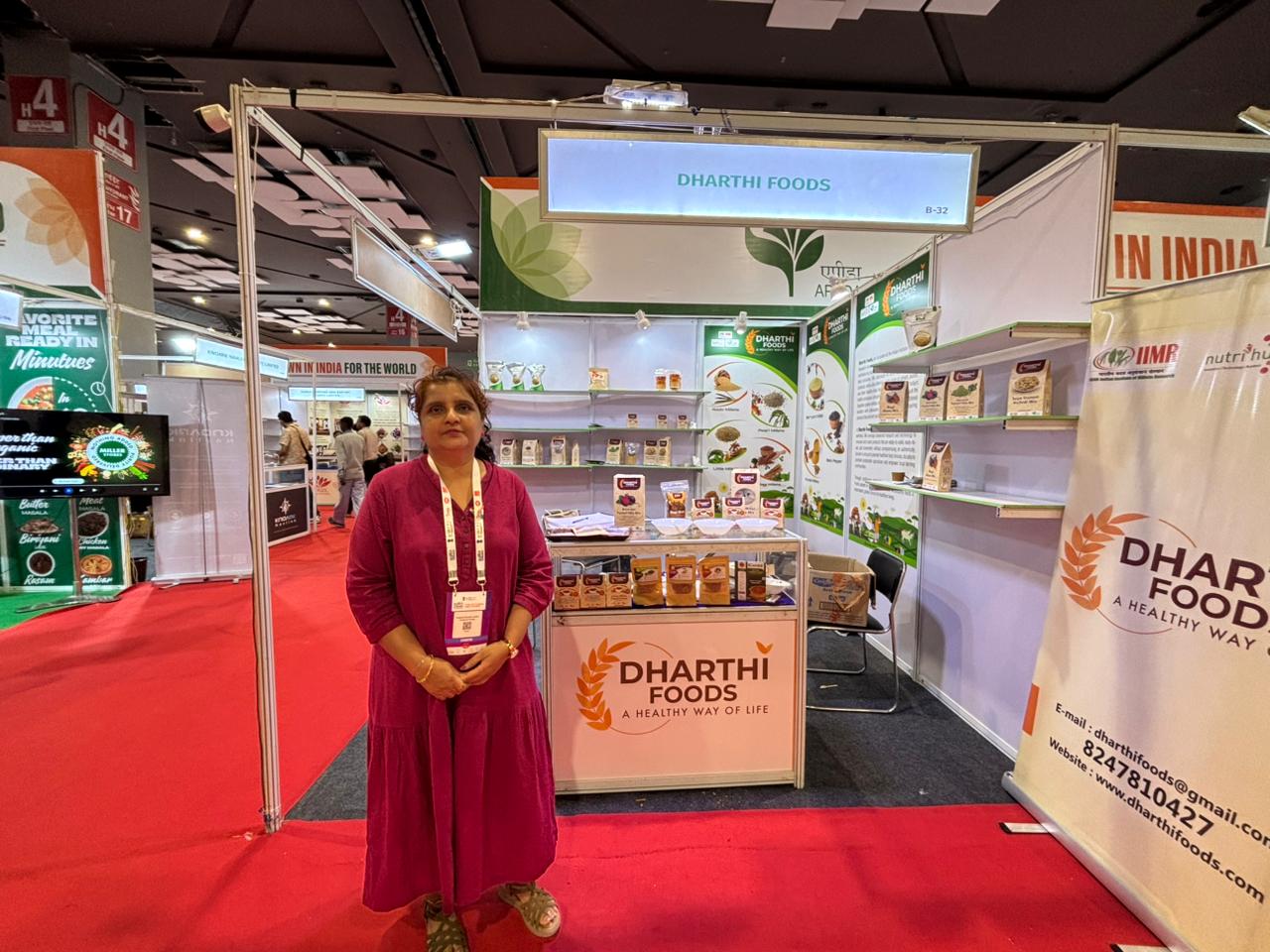


Rangreza by Nishtha Home Décor is a vibrant fusion of artistry, tradition, and self-expression. Founded by an army wife deeply inspired by the serene hills of Uttarakhand, the brand creates soulful home décor pieces that tell stories of craft and culture. From fragrant soy candles and exquisitely decoupaged wall plates to nostalgic cowbells and personalized art, each creation embodies a sense of warmth and authenticity. More than just aesthetic appeal, Rangreza champions sustainability and rural empowerment through its innovative “post office economy” model.
In an exclusive conversation with The Interview World, Nishtha — the creative force behind Rangreza — delves into the range of home décor products her brand offers, reflects on the growing response from customers, and highlights the organic creations shaping her collection. She also explains the concept of the post office economy and reveals how her initiative is reconnecting people with India’s timeless traditions. Here are the highlights from her inspiring conversation.
Q: Could you provide an overview of the home décor products developed by your organization?
A: At Rangreza, we create artistic and soulful home décor pieces that celebrate beauty, emotion, and memory. Our collection features fragrant soy candles — perfect for Diwali and everyday ambience — that bring warmth and serenity into homes. We also specialize in decoupage art, offering handcrafted wall plates and welcome boards that add a personal and elegant touch to any space. For children, we design customized name boards and cheerful décor pieces inscribed with uplifting messages like “Be Kind,” “Stay Happy,” and “You Can Do It.” Each creation reflects an artistic vision rooted in positivity and inspiration.
Beyond décor, our collection carries a deep emotional resonance. Take our handcrafted cowbells, for instance — they evoke the rustic charm and familiar sounds of village life, transporting one back to the serene Garhwal hills we proudly call home.
Rangreza is not just a brand; it’s a journey of self-discovery. As an army wife, I wanted to create something that honors both creativity and purpose — something that allows me to express myself while balancing home, family, and individuality. Through Rangreza, I’ve found that sense of fulfillment, and I hope to inspire others to rediscover their own artistic spirit.
Q: What kind of response has your organization received for these types of home décor products?
A: It truly depends on the kind of people you meet. When someone genuinely appreciates artistic work, their response is always warm and encouraging. Such customers explore everything — they pick one piece, then another, drawn by the emotion behind each creation. Others may simply pause to admire, appreciating the craft from a distance.
I once met a retired woman who had started her own artistic journey. For her, this wasn’t about survival — it was about fulfilling an inner creative calling. And that, I believe, is the beauty of art. It touches people differently. For some, it’s self-expression; for others, it’s livelihood. Ultimately, everything — especially in this space — depends on the kind of footfall and the emotional connection people form with the work.
Q: Since Uttarakhand is famous for its scented candles, what drew you personally to this idea?
A: For us, it was an entirely new adventure — a journey into the world of handcrafted beauty. We were naturally drawn to creations like butter, candles, and soaps, each infused with captivating fragrances. Their aromas spoke to our senses, inspiring curiosity and creativity. That irresistible pull toward scent and artistry is what led us to venture into this space.
Q: Are your products organic?
A: These are soy candles and perfumes — part of our handcrafted décor line. Alongside this, we also ventured into organic products, a dream that began with my younger sister. She was passionate about creating something pure and sustainable. Although she is no longer with us, her vision continues to guide our work.
Together, we traveled to Chamoli, near Gopeshwar, where a small village called Sagar became the heart of this initiative. There, we established a modest food unit producing Pahadi pickles, Madhumakhi honey, local honey, and Buransh juice. This journey also involved my uncle, an academician who shared our commitment to rural revival.
We built this venture around the idea of a “post office economy” — a sustainable model where local people can earn livelihoods without leaving their hills. Even today, we continue to explore natural resources like Timbuktu, a native fern that’s harvested and sold seasonally, adding another thread to this growing tapestry of community-based entrepreneurship.
Q: How is the post office economy supporting rural communities in the mountainous regions?
A: In our region, most people are either connected to the army or the hospitality industry. For generations, families relied on money orders sent home — a system that created what we fondly call the “post office economy.” It kept households running and communities connected, even across distances.
However, with time, overcrowded tourism has begun to take its toll. The environmental and social repercussions are becoming evident. We can no longer depend solely on tourism or seasonal industries. What we truly need now is a model of growth that is both economically viable and ecologically sustainable — one that preserves livelihoods without compromising the land and culture that sustain them.
Q: How are people connecting with these traditional or old items?
A: Everyone admires the products, though not all immediately take them home. Yet, many do choose to buy them — drawn by a deep sense of connection. These pieces resonate with people’s memories and emotions, and they often wish to showcase them in their homes as symbols of that bond.