

Aignosis is a bold, Jaipur-born health-tech innovator that is redefining how autism is detected in children. Founded in 2024, the company integrates computer vision with advanced machine learning to deliver a simple, non-invasive screening tool that operates through any standard webcam. By decoding subtle behavioural patterns and eye-movement cues, Aignosis makes early, objective autism detection not only possible but genuinely accessible. Its mission is both ambitious and deeply human: to close the diagnosis gap, particularly in underserved communities, and provide timely insights that can transform a child’s developmental trajectory.
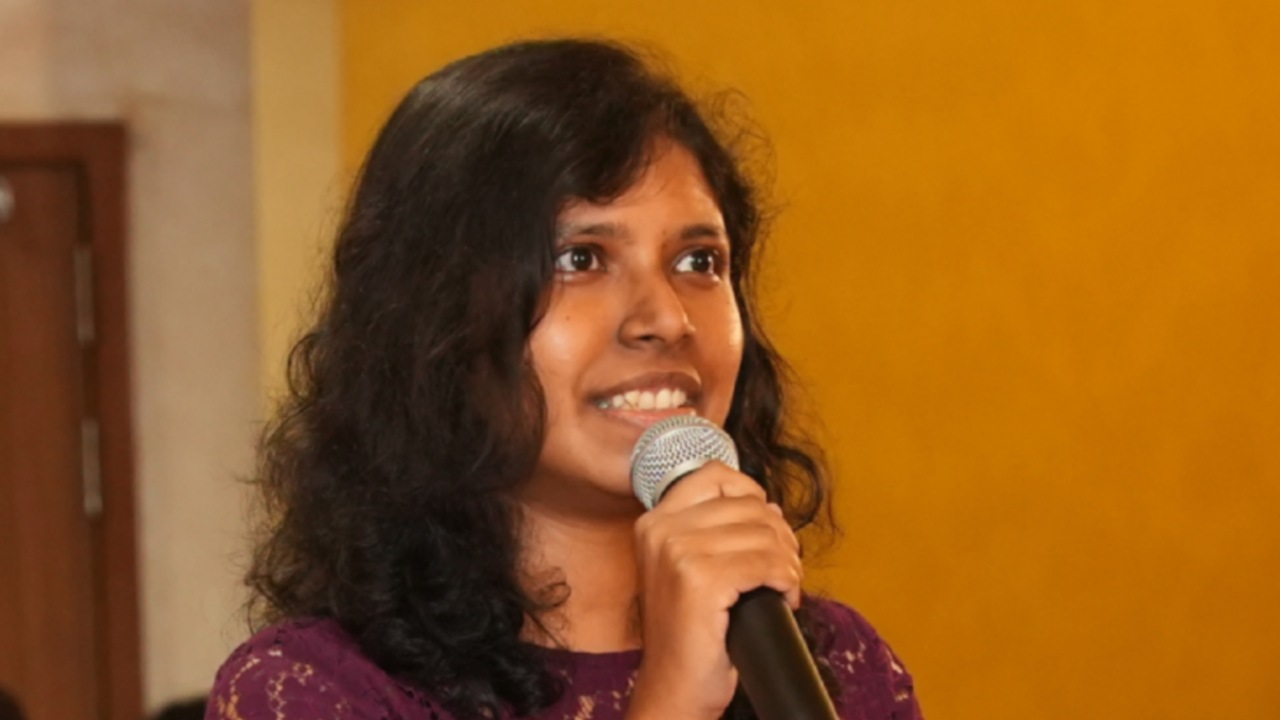
In an exclusive conversation with The Interview World at the Samarth India Conclave and Expo 2025, hosted by Times Network and Hyundai, Gaural Gupta, Head of Operations at Aignosis, explains how their solution enables early autism detection, details the science behind the technology, and highlights the potential for improvement in children diagnosed with autism. She also shares real-world cases the company has screened and outlines the typical costs associated with diagnosis.
The following are key takeaways from her compelling discussion.
Q: Could you elaborate on the specific solutions Aignosis provides for autism screening and early detection?
A: Our AI tool identifies neurodevelopmental conditions in children at a very early age, enabling far more children to benefit from timely intervention. Today, parents typically endure a long, complicated process before they even realize their child may be experiencing challenges such as autism. By the time a formal diagnosis is made, the delay often increases both the severity of the condition and the lifetime costs for families.
To address this gap, we designed a solution that integrates seamlessly into a child’s first point of contact, whether with paediatricians, preschools, or early-learning centers. Whenever a caregiver or doctor notices early signs, such as limited eye contact, they can immediately administer a five-minute screening test. The tool quickly distinguishes between a genuine developmental concern and typical age-related behaviour. Within two minutes, it delivers an instant report indicating whether the child faces a potential risk of autism, empowering parents and professionals to act without delay.
Q: What is the underlying mechanism that powers your solution?
A: The process is simple and highly effective. We show the child a five-minute video and use eye-tracking technology to monitor their responses. Through a standard webcam, we capture the child’s eye movements, where they look, for how long, and at what moments in the video. In parallel, we assess their attention patterns, facial expressions, and emotional reactions.
We then track and analyse these behavioural biomarkers in real time. Our AI algorithm processes this data and generates an immediate report indicating whether the child shows a potential risk of a neurodevelopmental condition. The system’s performance is rigorously validated, delivering 91% accuracy and 89% sensitivity at present.
Q: How do you validate autism indicators following the initial assessment?
A: At this stage, we do not provide therapy or direct intervention ourselves. However, we partner with a network of reputable therapy centers. When our screening identifies a genuine concern, we immediately refer the family to one of these centers, where specialists take over and guide the child through an appropriate, structured course of therapy.
Q: What are the prospects for improvement in children diagnosed with autism?
A: The chances of improvement rise dramatically when a child receives early intervention. With timely support, nearly 75% of children with autism can attend mainstream schools, participate more fully in society, and grow into functioning adults.
It is important to be honest: autism is not curable. While rare cases may show significant reversal, autism is generally a lifelong condition that can only be managed, not treated. However, it can be managed effectively when the child receives the right interventions at the right time. With proper support, these children can grow into adults who work independently, live on their own, and lead meaningful, self-sufficient lives.
That possibility defines our purpose. Our early detection tool exists to make these outcomes reachable by ensuring children begin their intervention journey as early as possible.
Q: What is the typical cost involved in diagnosing autism?
A: For parents, the cost typically ranges from ₹500 to ₹1,000, depending on the city and the doctor they visit. Our business model is entirely B2B: we provide the tool to clinics, doctors, and schools. They pay an initial onboarding fee, followed by a per-test charge that can be settled at the end of each month.
Q: How many real-world cases have you screened to date?
A: We are currently in our pre-revenue stage and focused on driving sales, but we have already seen meaningful impact. For example, during a developmental screening camp we conducted at a preschool, our tool identified early signs of concern in a young girl. We immediately referred her to one of our partner therapy centers in Jaipur, where she is now receiving timely intervention.
Had this concern gone undetected, she likely would have missed the critical window for early therapy. Starting intervention at six or seven could have led to greater challenges for her, for her parents, and even for the therapists tasked with supporting her. This single case illustrates the transformative value of early detection and swift action.