

Psychology research in 2025 delivers a significant shift in our understanding of mental health and dyslexia. New evidence shatters the myth of midlife distress, showing instead that young people shoulder the heaviest psychological burdens. Social media pressures, climate anxiety, and economic uncertainty fuel rising levels of depression, anxiety, and burnout. Older adults, by contrast, thrive by anchoring their lives in purpose. Equally urgent are findings on dyslexia. Children, especially those with ADHD, face heightened risks of anxiety, depression, and behavioural struggles when school environments fail them. Meanwhile, AI is transforming diagnosis and support, yet it raises sharp concerns over bias, privacy, and over-reliance. The path forward demands human-centred, culturally aware, adaptive solutions that honour both science and dignity.
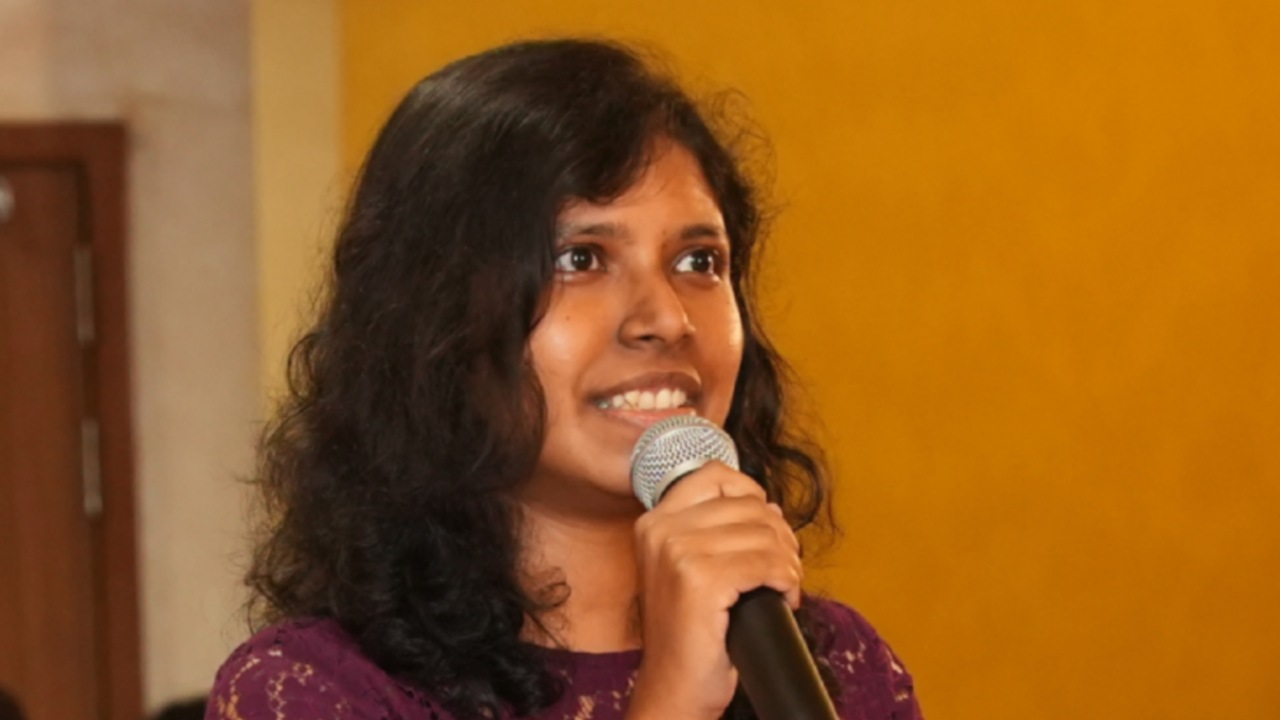
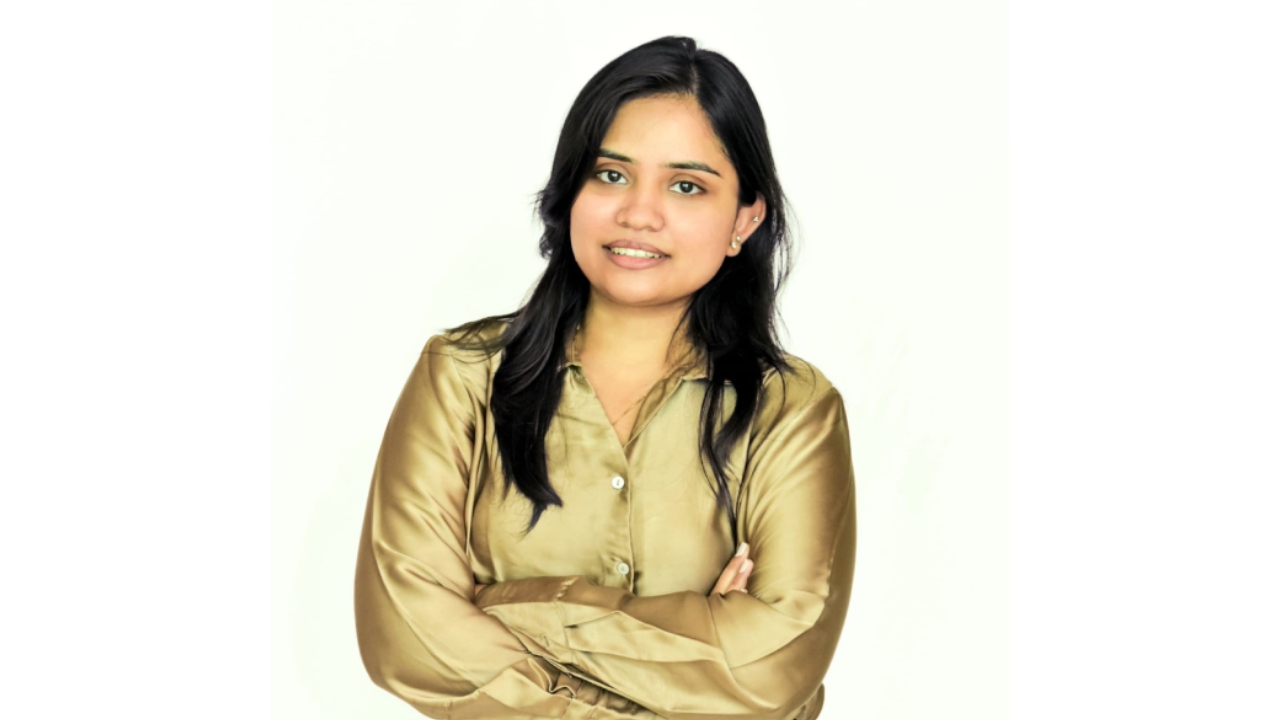
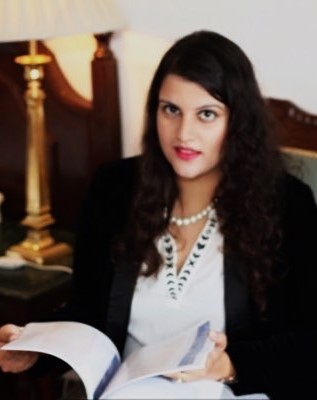
In an exclusive conversation with The Interview World at Convergence 2025, Dr. Braj Bhushan, Professor of Psychology and Deputy Director at IIT Kanpur, and Director of Cute Brains, unveils some of the most compelling recent findings in psychology research. He delves into the intricate links between mental health and dyslexia, reveals how technology is reshaping diagnosis and care, and voices caution against the unchecked dependence on AI for mental health support.
At the same time, Dr. Bhushan draws attention to the ethical dilemmas that inevitably emerge when artificial intelligence enters sensitive domains such as psychological assessment and therapy. He advises parents, educators, and psychologists on adapting to these evolving insights to better support individuals with dyslexia. Equally, he underscores the pivotal role of universities and research institutions in ensuring AI develops responsibly in the mental health arena.
Looking ahead, Dr. Bhushan foresees the next major breakthrough at the intersection of psychology, dyslexia, and artificial intelligence. His perspectives not only illuminate urgent challenges but also chart pathways for innovation and responsibility.
Here are the key takeaways from his thought-provoking exchange.
Q: What are some of the most significant recent findings in psychology research related to mental health and dyslexia?
A: Psychology research in 2025 has delivered some of the year’s most striking insights. A sweeping global study overturns a long-held belief: mental distress does not peak in midlife but in youth. Social media pressures, economic uncertainty, and climate anxiety drive younger generations to report unprecedented levels of anxiety, depression, and burnout. In contrast, older adults find resilience in purpose. Meaning-oriented behaviour, choosing to do what matters most, emerges as the strongest predictor of well-being, underscoring that purpose is the cornerstone of mental health.
The findings grow sharper when examining vulnerable groups. Children with dyslexia who feel disconnected from their school environment face a heightened risk of psychological distress, marked by anxiety, depression, and conduct issues. The picture darkens further for adolescents managing both dyslexia and ADHD. They report the highest intensity of symptoms, internalizing struggles such as anxiety and depression, and externalizing behaviours such as aggression and hyperactivity. Comparative studies reinforce this gap, revealing that children with dyslexia consistently show greater anxiety and behavioural challenges than their typically developing peers.
Together, these discoveries paint a sobering picture: youth, particularly those navigating learning differences, bear the heaviest psychological burdens of our time. Yet they also point to a clear path forward, building connection, cultivating purpose, and prioritizing environments that support resilience.
Q: Are there any surprising connections between dyslexia and broader mental health issues such as anxiety, depression, or self-esteem?
A: Recent advances reveal a far more nuanced link between dyslexia and mental health. Individuals with dyslexia often endure chronic stress from repeated academic hurdles. That stress frequently triggers the brain’s fight, flight, or freeze response. Over time, the response can become conditioned. Even neutral tasks, such as reading aloud, may spark anxiety, rooted in earlier negative experiences.
Yet dyslexia does not reflect a lack of intelligence. On the contrary, many children and adults with dyslexia demonstrate exceptional creativity and high intellect. They struggle not because of inherent limitations but because traditional education systems place overwhelming emphasis on reading and writing. This narrow focus sidelines their strengths and amplifies their challenges.
The result is a painful mismatch between capability and demand. When intelligent, creative learners repeatedly feel “different” or “behind,” their self-image suffers. Over time, that erosion of self-esteem compounds the psychological burden, often leaving them vulnerable to anxiety, depression, and a sense of inadequacy.
Ultimately, the problem lies not in dyslexia itself but in the structures that fail to recognize and nurture diverse forms of intelligence.
Q: With the rise of AI tools and digital platforms, how do you see technology influencing the diagnosis and management of mental health conditions?
A: Technology is no longer just about automation. It now personalizes diagnosis, management, and even preventive care, making mental health support more accessible than ever. Artificial intelligence leads this transformation. Advanced tools can analyse language patterns in speech, writing, and even social media activity to flag early signs of depression, anxiety, or other conditions. Subtle shifts in tone, pacing, or word choice often expose emotional distress long before it reaches clinical severity.
The innovation does not stop there. AI systems now decode changes in pitch, rhythm, and facial expressions as non-invasive diagnostic cues. Predictive analytics go a step further, offering the power to forecast potential mental health crises before they unfold.
Meanwhile, practical applications are rapidly scaling. AI-powered chatbots such as Wysa provide CBT-based self-help, mood tracking, and real-time emotional support. Platforms like Talkspace use AI to match clients with the right therapists, improving access and fit. At the same time, remote patient monitoring technologies track progress and relapse with unprecedented precision, ensuring that interventions arrive when they matter most.
Together, these breakthroughs signal a paradigm shift. Technology is no longer a passive tool—it is an active partner in identifying, managing, and protecting mental well-being.
Q: How do you address concerns around over-reliance on AI for mental health support, especially considering the nuances of human emotions and therapeutic relationships?
A: Artificial intelligence delivers unprecedented access, personalization, and scale in mental health care. Yet its limitations remain profound. Human therapists bring something algorithms cannot: lived experience, emotional resonance, and sensitivity to subtle, unspoken cues. No system can fully replicate that depth.
The most pressing challenge, however, lies in the training data. Current models draw heavily from Western datasets. This narrow base risks embedding cultural blind spots, stigma, and bias into AI-generated responses. As a result, what appears intelligent may, in fact, be skewed or insensitive.
Evidence already bears this out. Studies reveal that AI systems can unintentionally stigmatize conditions such as schizophrenia or substance use disorders. These distortions do not simply reflect technical flaws: they amplify existing prejudices under the guise of objectivity.
In short, AI holds promise, but without culturally diverse, ethically curated data, it risks reinforcing the very barriers it aims to dismantle.
Q: What ethical dilemmas arise when integrating AI into sensitive areas like psychological assessment and treatment?
A: Integrating AI into psychological assessment and treatment unlocks immense possibilities. Yet, it also raises profound ethical dilemmas. The gravest challenges stem from algorithmic bias, rooted in skewed training data, and diagnostic inequity, which excludes underrepresented populations. Beyond that, data privacy continues to remain a persistent concern. Moreover, most AI models function as opaque black boxes, producing outcomes without transparent reasoning. This lack of clarity threatens the principles of informed consent and undermines clinical accountability.
Q: How should parents, educators, and psychologists adapt to these research advancements to better support individuals with dyslexia?
A: Parents, educators, and psychologists must move decisively beyond traditional remediation. Parents, for their part, need to create a safe and nurturing space at home. They must also sustain open channels of communication with teachers, sharing vital insights into their child’s learning style and emotional needs. Educators, meanwhile, must break free from the narrow medical model. They should adopt strength-focused teaching that highlights creativity, problem-solving, and visual thinking instead of clinging to deficit-based labels. Alongside parents, they must actively celebrate these strengths.
Equally important, research confirms that a child’s sense of belonging in school powerfully predicts mental health outcomes. Educators therefore carry a responsibility to cultivate that sense of belonging for every student. Psychologists, on their end, must champion early intervention grounded in the latest cognitive markers. Rather than remaining confined to clinical comfort zones, they need to engage the wider community through outreach. They must also advocate for policies that guarantee early detection, assessment, and intervention as every child’s right. Such an approach reframes dyslexia not as a disorder but as a natural variation of human intelligence.
Q: What role do you foresee universities and research institutions playing in the responsible development of AI for mental health?
A: Universities and research institutions stand at the forefront of becoming true innovation hubs for AI in mental health. Their mandate extends far beyond drafting ethical standards. They must pioneer precision psychiatry powered by AI while upholding transparency and cultural sensitivity. The task ahead demands more than technical brilliance. It calls for co-creating tools that are both clinically valid and socially responsible, designed not only for assessment but also for meaningful intervention.
This vision requires collaboration. AI and machine-learning experts must join hands with psychologists, data scientists, educators, and other critical stakeholders. Together, they must bridge disciplinary silos to shape solutions that reflect both scientific rigor and human realities. Above all, their greatest challenge lies in ensuring that every future development remains deeply human-centred. Without this anchor, technological progress risks losing its moral compass.
Q: If you had to predict, what might the next breakthrough be in the intersection of psychology, dyslexia, and artificial intelligence?
A: The next transformative leap at the intersection of psychology, dyslexia, and AI lies in adaptive neurocognitive modelling. These intelligent systems will move beyond merely detecting dyslexia at an early stage. They will tailor interventions in real time, aligning with each learner’s cognitive strengths, emotional landscape, and cultural context. In doing so, they promise not just identification, but truly personalized pathways to learning and growth.





1 Comment
You bring a fresh voice to a well-covered topic.
Comments are closed.