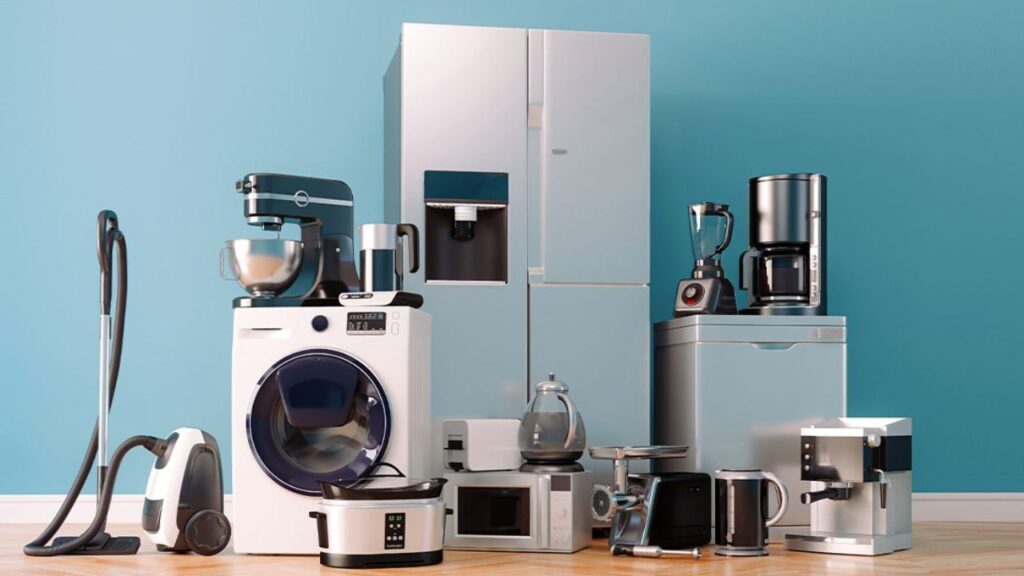


Equipment efficiency and sustainability lie at the heart of India’s clean-energy ambitions. They contribute nearly 60 percent of energy-efficiency savings while delivering significant cost reductions for consumers. Over the past two decades, India’s equipment market has undergone a profound transformation, driven by innovation, disruptive technologies, and initiatives such as the Standards and Labelling Programme. Breakthroughs like BLDC motors in fans and inverter air conditioners showcase the industry’s alignment with global best practices. As India accelerates its clean-energy transition, manufacturers are expanding production, enhancing competitiveness, and positioning the country as a global hub for high-performance, energy-efficient appliances. This progress simultaneously fuels economic growth and reinforces environmental responsibility.
In this context, The Interview World spoke with Neha Dhingra, Director at CLASP, during the States’ Policy Conclave 2025 hosted by PHDCCI. She emphasized the critical role of equipment efficiency and sustainability in securing a cleaner, more resilient future. Dhingra highlighted how emerging innovations and disruptive technologies are reshaping equipment to be both environmentally responsible and user-centric. She further explored the rise of India’s innovative equipment market, evaluated the nation’s clean-energy trajectory, and detailed how industry stakeholders are preparing to meet rapidly growing demand.
The following are the major insights from her discussion.
Q: How essential do you believe equipment efficiency and sustainability are in achieving a cleaner and more environmentally responsible future?
A: Equipment efficiency plays a critical role in the nation’s energy landscape. It accounts for nearly 60 percent of all energy-efficiency‐related savings, making it one of the most significant contributors to reduced energy consumption. As a result, consumers have saved millions of dollars through lower electricity bills. Beyond these direct benefits, equipment efficiency is essential to India’s broader climate and development agenda. It directly supports the country’s net-zero ambitions, advances progress toward the 2070 targets, and reinforces the vision of a Viksit Bharat.
Q: What emerging innovations and disruptive technologies are transforming equipment to become more environmentally friendly and user-centric?
A: Industry is taking significant strides to advance equipment efficiency. Over the past 20 years, the Government of India’s Standards and Labelling Programme has matured substantially, and industry has evolved alongside it. As a result, India now stands among the leading global markets for high-efficiency products such as air conditioners and fans. This progress reflects sustained innovation and a strong commitment to performance improvements.
For instance, in the fan segment, induction motors once dominated the market. Today, BLDC motors have rapidly gained ground and are transforming performance benchmarks. A similar shift is evident in air conditioners. Fixed-speed units once held the majority share, but inverter air conditioners now lead the market by a wide margin. These transitions demonstrate not only the pace of innovation but also the industry’s readiness to adopt and scale advanced, energy-efficient technologies.
Q: How do you view the growth of India’s innovative equipment market, and how do Indian appliances compare with global counterparts?
A: Yes, India’s technology initiatives are advancing rapidly. Across industries and appliance categories, efficiency levels now stand on par with global best practices. Moreover, manufacturers are actively aligning with the most advanced technologies available worldwide. They continue to invest in innovation and are consistently working to push the boundaries of performance and efficiency even further.
Q: How do you assess the current trajectory of India’s clean energy transition?
A: India has a pivotal role in the global clean-energy transition. As the world’s fourth-largest economy, the country’s actions significantly influence global carbon-reduction trajectories. India’s progress reflects this responsibility. It achieved its emissions-intensity targets 11 years ahead of schedule and reached 40 percent installed renewable capacity five years early. These milestones demonstrate both ambition and disciplined execution.
Moreover, India continues to expand its solar footprint at an exceptional pace. At the same time, it is strengthening grid resilience, enhancing system stability, and accelerating the deployment of energy storage. Taken together, these efforts show that India is making substantial, forward-looking advances in its clean-energy journey.
Q: As demand for equipment accelerates, how is the industry expanding capacity and ensuring reliable delivery?
A: Industry is well prepared to meet rising demand because it directly translates into business expansion and long-term growth. Manufacturers have already built substantial capacity, and they continue to scale it further. In addition to meeting domestic requirements, industry leaders are actively pursuing opportunities to strengthen India’s export capabilities. They are also investing in greater competitiveness to position the country as a global hub for high-quality, energy-efficient equipment.