
Medical oncology in India stands at a critical crossroads, rapidly shifting from traditional surgery and radiotherapy toward advanced, personalized therapies. Chemotherapy plays a nuanced role in this evolution, offering powerful benefits while requiring careful management of potential side effects. By prioritizing patient-centered treatment over rigid protocols, oncology in India is unlocking new possibilities in cancer care.
Simultaneously, AI and digital innovations are transforming diagnosis and therapy, enhancing precision and efficiency. Equally essential, palliative care remains pivotal in improving patients’ quality of life. Looking ahead, the field promises a future driven by immunotherapy, genetic interventions, and continuous innovation, demanding adaptability, judicious technology use, and unwavering focus on the patient.
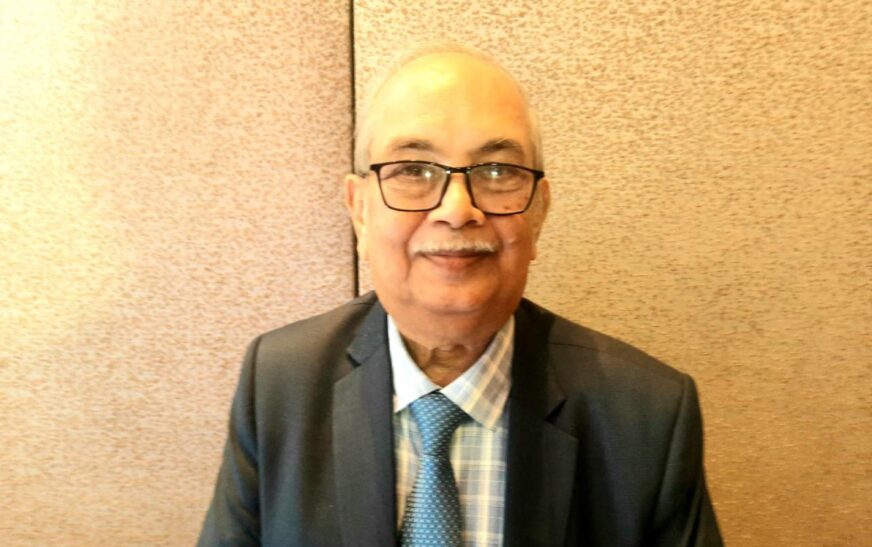
In an exclusive conversation with The Interview World at Healthcare Horizon 2025, hosted by Mediways Foundation and OSVI Healthcare, Dr. (Prof.) Sudarsan De, Group Director – Radiation Oncology at Yatharth Super Speciality Hospitals, reflects on the evolution of medical oncology in India. He highlights the impact of AI and other disruptive technologies on cancer treatment, emphasizes the integral role of palliative care, and shares his vision for the future of oncology in the country. Here are the key insights from his compelling conversation.
Q: How do you view the development of medical oncology in India, and how satisfied are you with the progress so far?
A: In cancer treatment, surgery has historically been the primary approach, practiced for centuries. Radiotherapy emerged in the 19th century, followed by the development of chemotherapy in the late 20th century, which is now widely implemented in clinical practice. Chemotherapy functions like a double-edged sword: when applied appropriately, it delivers significant therapeutic benefits, but it also carries potential side effects. Much like fire, scissors, or a knife, it can heal or harm depending on how it is used.
Effective cancer care requires the thoughtful integration of surgery, radiation, and chemotherapy. Not every patient needs all three, but the choice of treatment must be tailored to the individual’s condition. Modern oncology is moving away from rigid, protocol-driven regimens toward personalized, patient-centric care. The goal is to identify the most effective treatment for each patient while minimizing side effects and optimizing overall outcomes.
Q: What role do you think AI and other disruptive technologies will play in the treatment of cancer?
A: Over the past 50 years, the advent of computers has profoundly transformed cancer treatment, particularly in radiation oncology and diagnostics. Today, AI is poised to further enhance both diagnostic accuracy and certain therapeutic interventions. However, its benefits depend on judicious use, like any powerful tool, overuse can be counterproductive or even harmful. When applied thoughtfully, AI demonstrates the most promising results and holds immense potential to advance oncology in the coming years.
Q: What importance do you place on palliative care in the overall management of cancer?
A: The most important principle in cancer care is clear: first, aim for a cure. If a cure is not possible, focus on controlling the disease. And if control is not achievable, prioritize palliation. Effective palliation addresses the patient’s most urgent needs: relieving pain, stopping bleeding, or managing any condition that impairs daily life. This immediate care takes precedence, followed by efforts to control the disease and, when possible, to cure it. Ultimately, palliation is a fundamental right for all patients and forms the cornerstone of compassionate oncology care.
Q: How do you envision the future of medical oncology in India?
A: Medical oncology has a promising future, driven by rapid innovations and ongoing clinical trials. Treatments such as chemotherapy, immunotherapy, vaccine-based therapies, and genetic interventions are continuously evolving. As the field advances, clinicians must remain adaptable, embracing each new stage rather than criticizing it, and steadily progress from one breakthrough to the next. Evolution and openness to change are essential to harness the full potential of these emerging therapies.




1 Comment
This was a very informative post. I appreciate the time you took to write it.
Comments are closed.