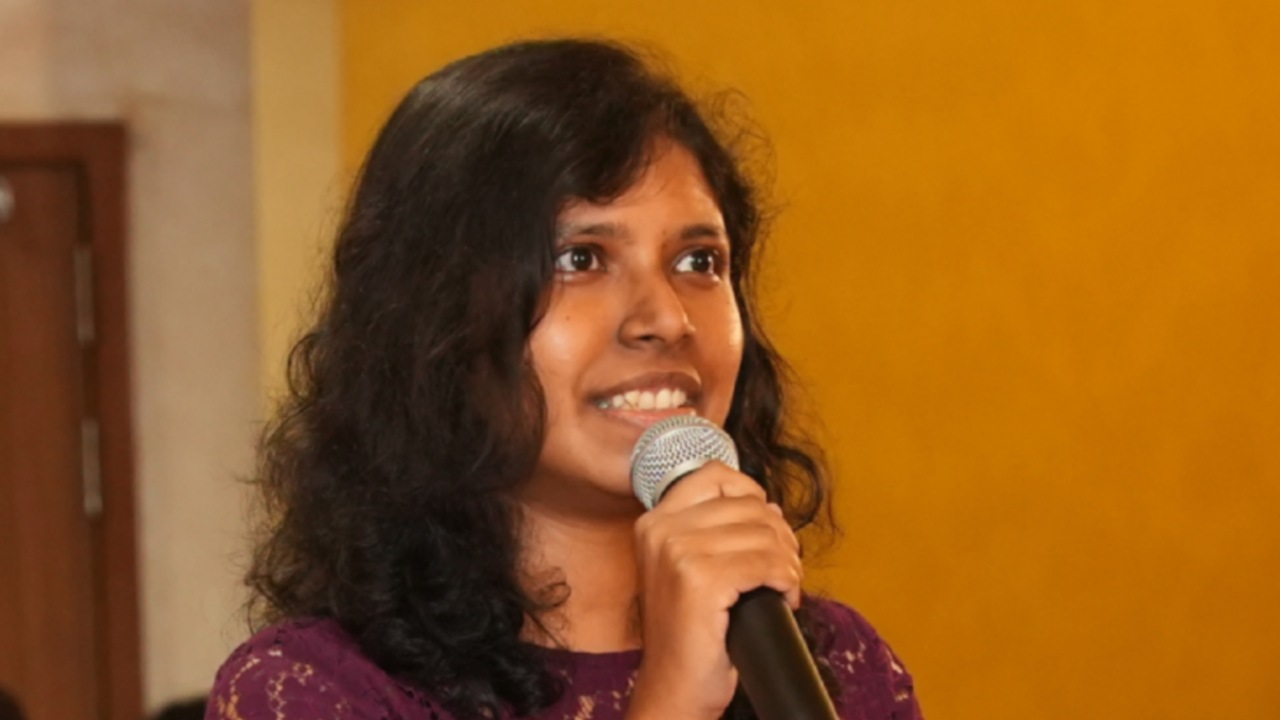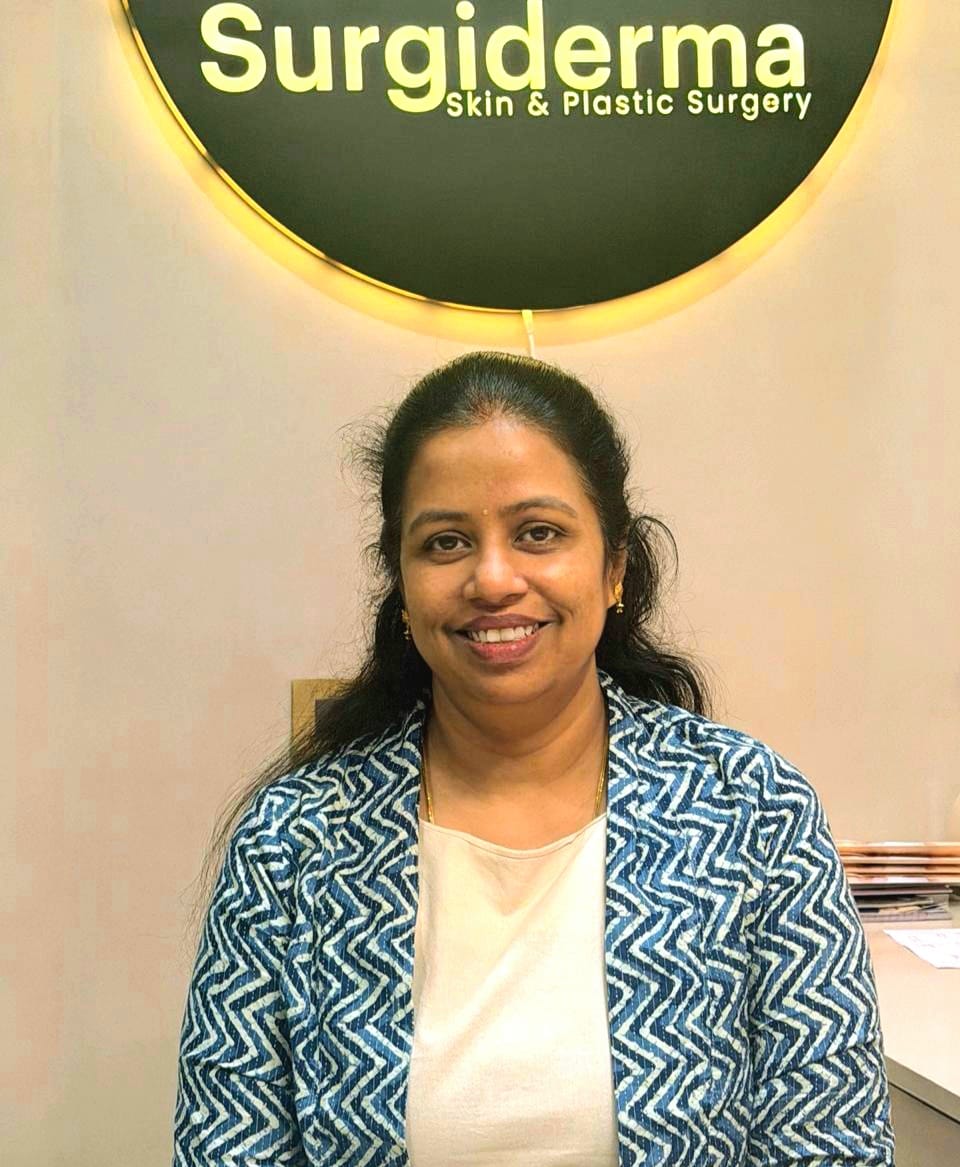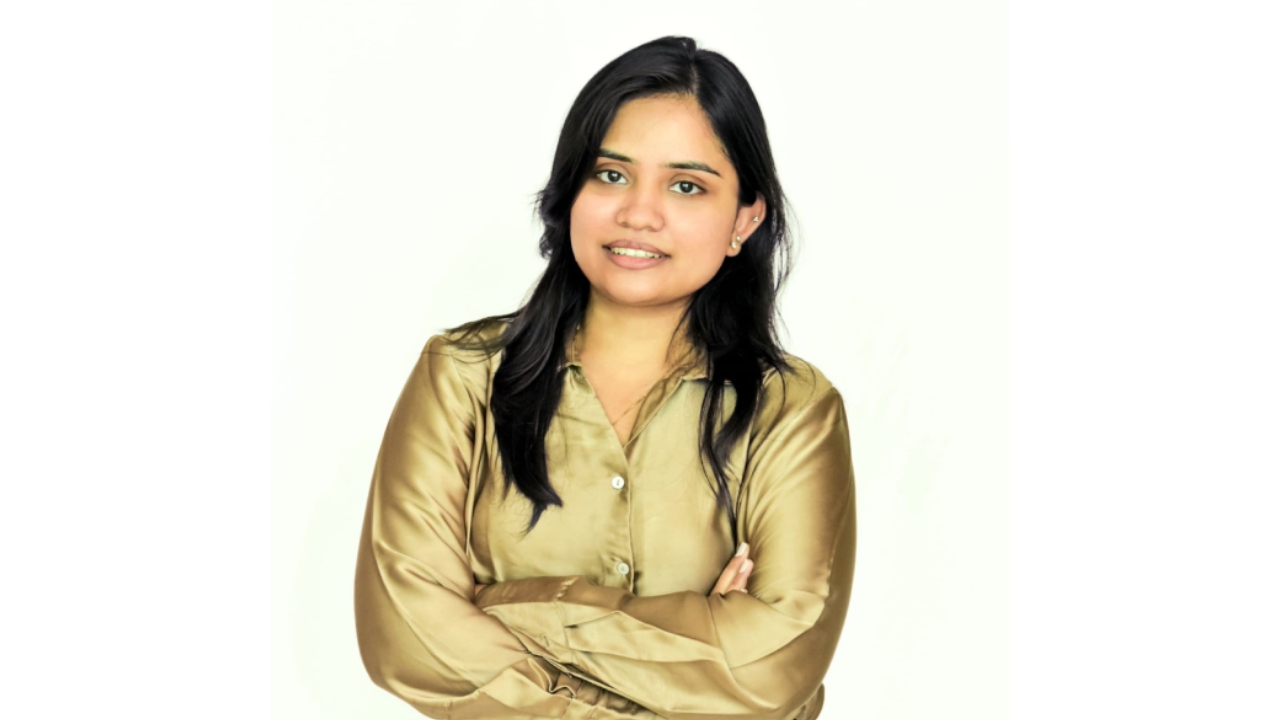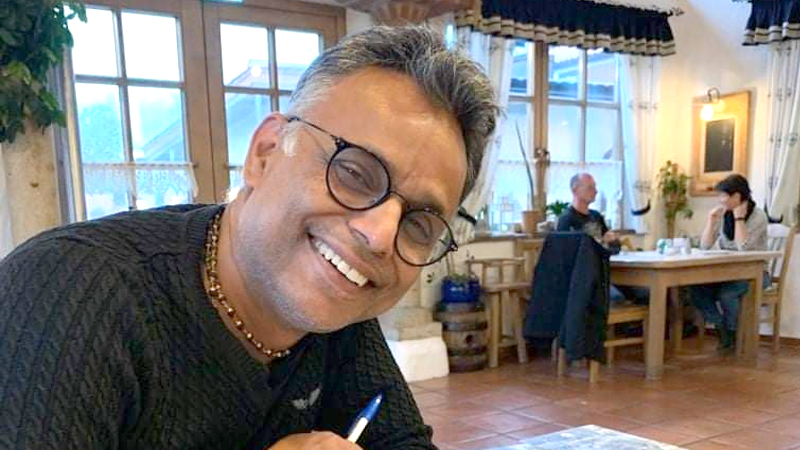

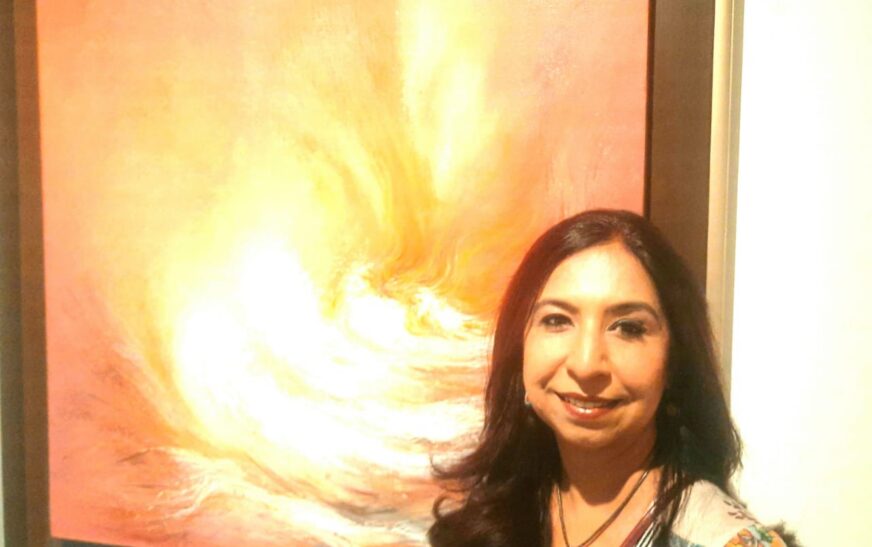
Ritu Singh Panday is a distinguished Indian painter, art educator, curator, and art consultant whose career in the visual arts spans more than twenty-five years. Her multidisciplinary practice draws deeply from extensive travel and active participation in international art symposiums, where she closely observes geological formations and interprets their textures, layers, and histories through compelling visual narratives. Working primarily in mixed media, she investigates themes of womanhood, desire, relationships, identity, and the intricate dimensions of human experience. Alongside her artistic practice, Panday has made significant contributions to arts education, mentorship, curatorial initiatives, and art consultancy. Through these engagements, she has nurtured emerging women artists while fostering meaningful dialogue within the contemporary art ecosystem. Her oeuvre stands out for its richly textured surfaces, emotional resonance, and thoughtful reflection on the complexities of contemporary life.
In an exclusive conversation with The Interview World during Parallels of Perception, an exhibition presented by The Quartz Collective at the Shridharani Art Gallery, Triveni Kala Sangam, Ritu Singh Panday discusses the exhibition’s conceptual framework and overarching vision. She reflects on the diverse artistic voices brought together through the show and examines the evolving position of Indian artists, particularly women artists, within the global art landscape. Furthermore, she explores the vital role women artists play in shaping cultural narratives, challenging social conventions, and driving meaningful change. She also assesses the growing influence of emerging technologies, especially artificial intelligence, on contemporary artistic practice and creative expression. Presented below are the key insights from this engaging and thought-provoking conversation.
Q: Could you elaborate on The Quartz Collective exhibition and discuss the central ideas, themes, and curatorial vision that shaped the project?
A: I feel deeply connected to this exhibition on both a personal and professional level. Most importantly, it marks the debut exhibition of The Quartz Collective, a group of women artists that I founded after carefully identifying, engaging with, and bringing together a remarkable set of creative voices. For that reason alone, the exhibition holds immense emotional significance for me.
At the same time, the exhibition represents an important artistic milestone. It showcases the individual journeys of five artists who work across diverse themes, mediums, and modes of experimentation. Each artist approaches her practice from a distinct perspective, resulting in works that remain uniquely individual and never overlap in intent or expression. Yet, despite their differences, the artworks engage in a meaningful dialogue with one another. Their diversity becomes their strength, creating a cohesive and harmonious exhibition that celebrates both individuality and collective vision.
Q: What diverse artistic practices and art forms have been brought together in this exhibition?
A: Most of the works in this exhibition are rooted in abstraction, although each artist approaches the genre through a distinctly individual lens. The only figurative artist in the group is Natasha Jaini, whose practice is deeply narrative-driven. Drawing from her personal experiences, she explores human relationships through compelling visual stories. Her recurring muse is the male figure, through which she examines masculine behaviour, social dynamics, and the profound role men play within a woman’s emotional and social world.
In contrast, Gitanjali Kashyap engages with the precision of geometry. Working exclusively in black and white, she constructs intricate compositions of linear forms that generate striking optical illusions. Her work challenges perception, creating a sense of movement and spatial ambiguity that can be both mesmerizing and disorienting. The visual intensity of her geometric language invites viewers into a dynamic perceptual experience.
Complementing this exploration of line and structure is the work of Ritu Aggarwal, who draws inspiration from architectural forms. Her compositions are defined by bold linear frameworks, nuanced tonal transitions, and evocative surfaces. Through the interplay of charcoal, soft gradations, and carefully orchestrated colour relationships, she creates the illusion of three-dimensional structures that emerge gradually as the viewer engages with the work from different vantage points.
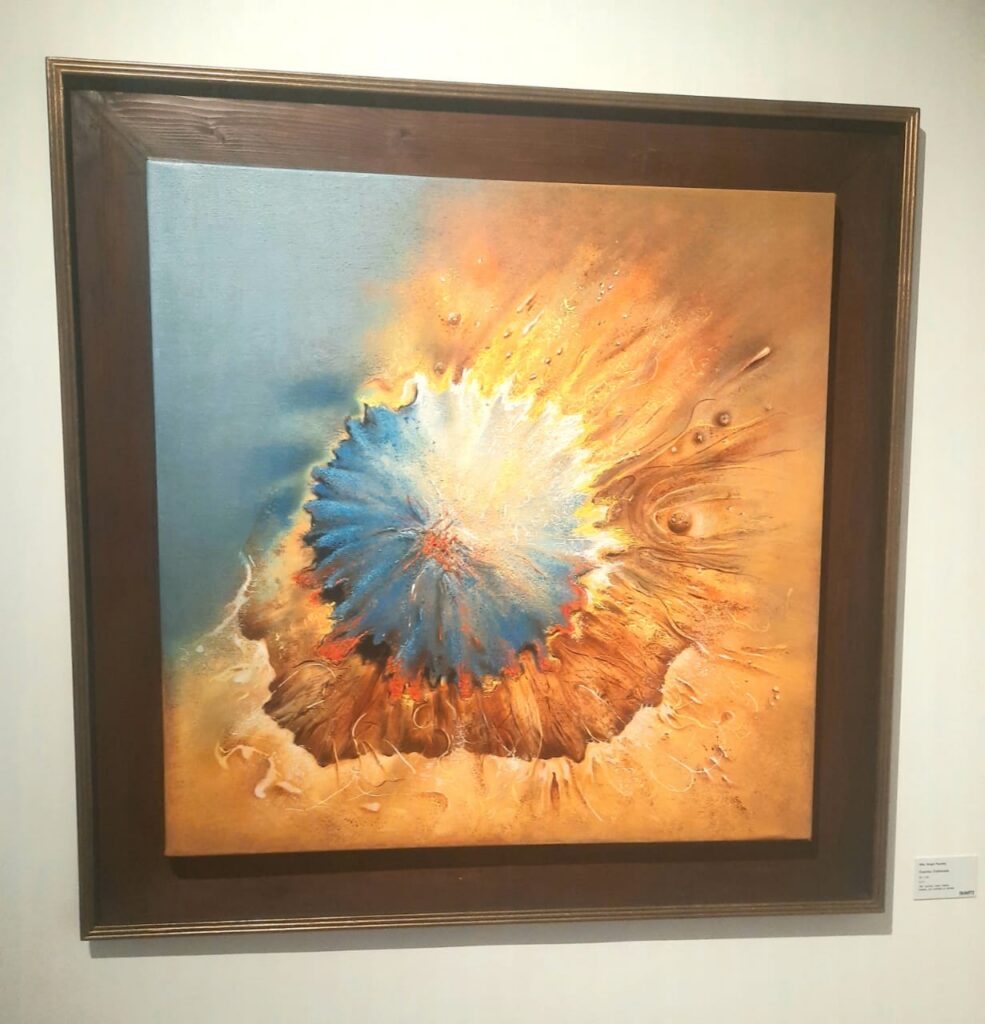
My own practice moves in a different direction. While drawing inspiration from cosmic theories, I simultaneously remain grounded in the elemental forces of the Earth. I explore the interplay of fire and snow, energy and stillness, creation and dissolution, the enduring dichotomies that shape the natural world. Through layered textures, expressive lines, and vibrant colour palettes, I seek to translate these elemental conversations into visual form.
Then there is Shikha Gupta, whose work reflects a deeply spiritual and introspective journey. As an art therapy practitioner, she brings a unique sensitivity to her artistic process. Her practice often incorporates found and collected materials gathered during her travels, transforming them into evocative scroll-based works and mixed-media narratives. Through delicate tonal gradations, tactile surfaces, and carefully chosen materials, she constructs contemplative visual stories that invite reflection and emotional engagement.
What makes this exhibition particularly compelling is that each artist occupies a distinct conceptual and aesthetic territory. Our themes, materials, visual languages, and modes of expression differ significantly. Yet these differences do not create fragmentation. Instead, they generate a rich and harmonious dialogue, allowing diverse artistic voices to coexist while strengthening the exhibition’s collective identity.
Q: How do you view the position of Indian artists, particularly women artists, within the international art landscape, and how do you see their practices evolving today?
A: Women artists across the world continue to navigate challenges that are remarkably similar, regardless of geography. It remains a demanding journey within an art ecosystem that has historically been shaped and dominated by male perspectives. As a result, many women artists have had to work harder to establish their presence, gain recognition, and demonstrate that their creative contributions stand on equal footing with those of their male counterparts.
In this regard, India is no exception. Similar dynamics exist in the United States, Australia, and across Europe. However, I would hesitate to say that women artists have simply been sidelined. More often, they have balanced multiple responsibilities, both personal and professional, which have influenced the pace of their artistic journeys. Their progress may sometimes appear gradual, but it is marked by resilience, consistency, and remarkable strength.
What distinguishes many women artists is their ability to persevere with patience and purpose. They bring sensitivity, insight, and emotional depth to their practice, while simultaneously demonstrating extraordinary determination. Their voices are thoughtful, powerful, and increasingly impossible to ignore.
Today, women artists are making some of the most significant contributions to contemporary Indian art. Through their diverse perspectives and innovative approaches, they are expanding artistic discourse, challenging established narratives, and enriching the cultural landscape in meaningful and lasting ways.
Q: What role do women artists play in influencing cultural narratives and contributing to social change?
A: Women occupy a unique and enduring place in the story of human civilization. They are the creators of life itself, and that fundamental reality transcends every era, technological breakthrough, and societal transformation. No matter how advanced the world becomes, the creative and nurturing power of women remains one of humanity’s most profound and indispensable forces.
Yet a woman’s contribution extends far beyond the act of giving birth. She shapes values, nurtures relationships, preserves traditions, and sustains the social fabric that binds communities together. In doing so, she becomes a vital force in the evolution of culture, art, and craft across societies and generations.
Women often serve as the anchors of human connection. They foster empathy, strengthen familial and social bonds, and help transmit cultural memory from one generation to the next. Their influence permeates every aspect of collective life, enriching both its emotional and creative dimensions.
In many ways, a woman is the seed from which the tree of civilization grows. She nourishes its roots, supports its growth, and ensures its continuity. Without her presence, contribution, and creative energy, culture loses much of its vitality, depth, and capacity for renewal. Women are not merely participants in cultural development; they are among its most enduring architects and custodians.
Q: How do you view the impact of emerging technologies, particularly artificial intelligence, on contemporary art and artistic practice?
A: Technology is a tool, and like every transformative tool throughout history, it has the potential to expand our capabilities and accelerate our growth. It broadens our horizons, opens new avenues of exploration, and enables us to engage with the world in increasingly dynamic ways. Therefore, rather than fearing technological advancement, we should learn to embrace it thoughtfully and creatively.
This is especially true of artificial intelligence. AI is not an adversary; it is a resource that can support, enhance, and extend human potential. When used responsibly, it becomes a collaborative partner in innovation, helping us discover new possibilities and push the boundaries of what we can achieve. Progress does not require us to choose between humanity and technology. Instead, it invites us to move forward by working alongside technological advancements and harnessing their strengths.
Artists, too, are beginning to engage with these emerging tools in meaningful ways. They are exploring how technology can enrich creative processes, generate new forms of expression, and expand artistic dialogue. Yet it is important to remember one fundamental truth: technology can assist art, but it cannot replace the essence of art itself.
Art originates in human imagination, emotion, intuition, and lived experience. These qualities form its core identity and enduring power. No matter how sophisticated technology becomes, art will never lose its original character because its source remains deeply human. Technology may influence the methods of creation, but the creative impulse, the spark that gives art its meaning, will always belong to the artist. In that sense, art remains the foundation, while technology serves as a powerful instrument for its continued evolution.