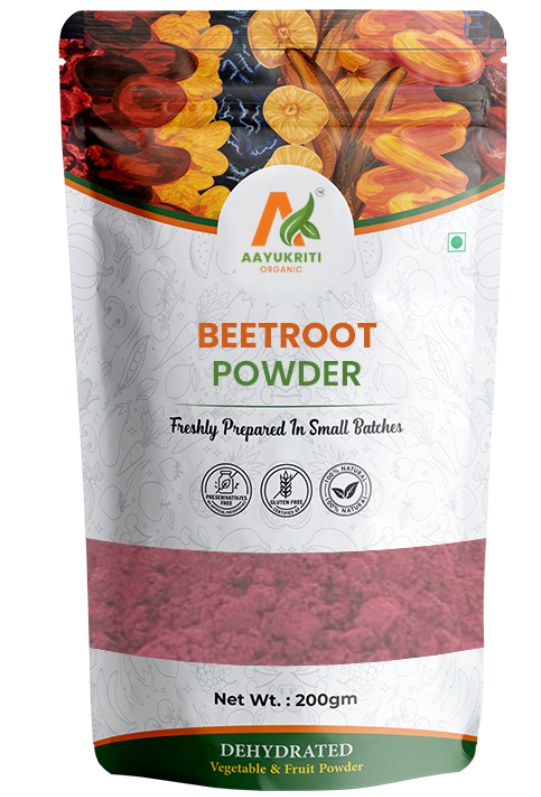


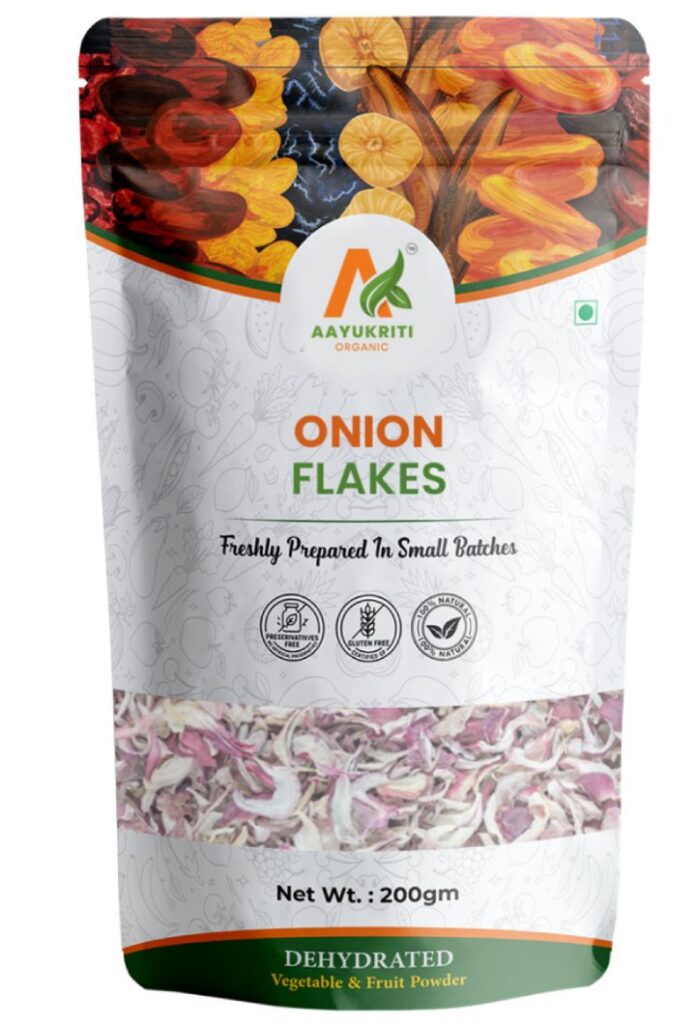
Aayukriti Organic stands among India’s leading manufacturers and suppliers of premium fruit, vegetable, and herbal powders, serving the food, beverage, nutraceutical, and wellness industries. The company produces clean-label, natural ingredients using advanced drying technologies that preserve nutritional value, natural flavor, and vibrant color. Its diverse portfolio includes banana, guava, pineapple, moringa, beetroot, carrot, ginger, tomato, and a wide range of specialty powders. Backed by FSSAI, ISO 9001:2015, HACCP, and GMP-compliant manufacturing practices, Aayukriti Organic delivers bulk supplies, private-label solutions, contract manufacturing, and export services to customers worldwide. By combining uncompromising quality with sustainability and continuous innovation, the company consistently delivers high-performance natural ingredients that meet the evolving demands of global markets.
In an exclusive conversation with The Interview World, Supriya Rai, Founder of Aayukriti Organic, explains how value-added food processing is transforming farmers’ incomes while significantly reducing post-harvest losses across India. She discusses how technological innovation is enabling the creation of globally competitive food ingredients from Indian agricultural produce. She also outlines the robust quality systems and operational processes the company has implemented to ensure product purity, end-to-end traceability, and full compliance with international standards. Furthermore, she identifies the emerging opportunities that will reshape the ingredient industry over the next five years and shares her vision for Aayukriti Organic’s role in advancing sustainable food processing, agricultural value addition, and India’s position in the global natural ingredients market. Here are the key insights from this thought-provoking conversation.
Q: Aayukriti Organic works at the intersection of agriculture and food innovation. How do you see value-added processing transforming farmers’ incomes and reducing post-harvest losses in India?
A: One of the most striking challenges I have observed is the enormous wastage of fruits and vegetables across the agricultural value chain. Large quantities of fresh produce remain unsold. Much of it is discarded by farmers and retailers, while the rest perishes during transportation because of inadequate temperature-controlled logistics. Ultimately, however, farmers bear the greatest financial burden.
I found this deeply inefficient and difficult to accept. In 2026, when technology is transforming virtually every industry, such a fundamental problem should no longer persist. That realization inspired the idea of converting fruits and vegetables into powder. This simple yet transformative process preserves nearly all their nutritional value while extending shelf life from just a few days to several years. As a result, it dramatically reduces post-harvest losses, minimizes food waste, and creates a stable, value-added product that is easier to store, transport, and distribute. In effect, it benefits every stakeholder across the supply chain—from farmers and processors to manufacturers and consumers.
Q: How important is technology innovation in creating globally competitive food ingredients from Indian agricultural produce?
A: Technology is not merely important; it is the foundation of a globally competitive food processing industry. Consider moringa, for example. Demand for moringa powder is surging across Europe and other Western markets. Yet India has cultivated moringa in abundance for decades. The real challenge, therefore, does not lie in the availability of raw material; it lies in the ability to process it into a consistent, high-quality ingredient that meets global expectations.
At Aayukriti Organic, we address this challenge through carefully controlled drying technologies tailored to the specific characteristics of each fruit, vegetable, or herb. More importantly, we focus relentlessly on consistency. Every batch must deliver the same colour, flavour profile, nutritional integrity, and functional performance. That level of precision transforms a commodity into a reliable ingredient that food, beverage, and nutraceutical brands can confidently incorporate into their formulations. For us, innovation is not a one-time breakthrough. Rather, it is a continuous pursuit of process refinement, higher quality standards, and greater manufacturing excellence with every production cycle.
Q: What major shifts are you observing in customer demand, and how is Aayukriti Organic positioning itself to address these trends?
A: The conversation around food has undergone a profound transformation in recent years. Consumers have become significantly more health-conscious, and they no longer make purchasing decisions based on price or branding alone. Instead, they read product labels carefully. They want to know what their food contains, where the ingredients originate, and how those ingredients affect their health and well-being. As a result, the clean-label movement has evolved from a passing trend into a defining consumer expectation. I relate to this shift personally because, as a consumer myself, I follow the same approach.
That understanding shaped the vision behind Aayukriti Organic. From the outset, my goal was to build a company that customers could trust without hesitation. Today, we serve food manufacturers, nutraceutical companies, and wellness brands that require far more than a high-quality ingredient. They need a dependable partner that delivers transparency, consistency, and uncompromising quality at scale. Accordingly, every decision we make, from responsible sourcing and precision processing to rigorous quality assurance and traceability, is designed to uphold that promise and earn our customers’ confidence, batch after batch.
Q: What systems and processes have Aayukriti Organic put in place to ensure product purity, traceability, and adherence to international standards?
A: For an ingredient manufacturer, quality cannot exist in isolation. It must define every process, every decision, and every stage of the operation. At Aayukriti Organic, we have embedded this philosophy across our manufacturing ecosystem. Our facilities operate in compliance with GMP and FSSAI standards, which govern the receipt, inspection, processing, and packaging of raw materials. More importantly, we do not view these standards as regulatory obligations or compliance checklists. Instead, we treat them as the operational foundation on which we are building a resilient and trusted business.
The same discipline extends to our sourcing practices. Wherever possible, we procure raw materials from farms that follow organic or low-residue cultivation methods. Before any produce enters our processing line, every batch undergoes rigorous inspection and quality evaluation. Our objective is straightforward: only the highest-quality raw materials should become the ingredients our customers receive.
Equally important is traceability. We are systematically strengthening our ability to trace every finished batch back to its originating farm and harvest. This level of transparency has become a fundamental expectation for discerning B2B customers, particularly those serving global markets. As our operations expand, we will further institutionalize end-to-end traceability through robust supply chain documentation and digital quality records. At the same time, we remain committed to securing internationally recognized certifications that reinforce our quality credentials and give global food, beverage, and nutraceutical brands the confidence to partner with us for the long term.
Q: With the rapid growth of functional foods, nutraceuticals, and health-focused consumer products, where do you see the biggest opportunities emerging for ingredient companies over the next five years?
A: The next five years present a compelling growth opportunity for companies operating at the intersection of agriculture, nutrition, and food technology. As consumer preferences continue to evolve, the demand for clean, natural, and scientifically validated ingredients will accelerate, creating significant opportunities for innovation-led manufacturers.
Among the most promising segments is functional nutrition, where consumers increasingly seek ingredients that deliver measurable health benefits beyond basic nourishment. At the same time, infant and pediatric nutrition represents another high-potential market. Parents around the world have become far more discerning about what they feed their children, and they are actively moving away from products containing artificial additives and unnecessary chemicals. This shift reflects growing awareness of food safety, ingredient transparency, and the long-term impact of nutrition during early childhood.
In this evolving landscape, clean-label fruit and vegetable powders produced under stringent quality and safety standards offer a credible and future-ready solution. However, succeeding in this segment requires uncompromising quality, complete traceability, and rigorous manufacturing discipline. We welcome these expectations because they align perfectly with our philosophy. Rather than viewing high standards as a barrier, we see them as an opportunity to differentiate ourselves and build enduring trust with customers across global markets.
Q: What needs to happen for Indian-origin organic and natural ingredients to become globally recognized and preferred by international food brands?
A: India possesses one of the world’s richest and most diverse agricultural ecosystems. The country produces an unparalleled range of fruits, vegetables, herbs, and botanicals, supported by centuries of traditional knowledge and cultivation expertise. Moreover, few nations can match India’s scale of production. However, transforming these inherent strengths into sustained global leadership requires a more disciplined and value-driven approach across the industry.
First, the industry must prioritize standardization. International buyers expect absolute consistency. Every shipment must match the agreed specifications in quality, functionality, colour, flavour, and nutritional profile—batch after batch. Achieving this level of uniformity is undoubtedly challenging within a fragmented agricultural supply chain. Nevertheless, processors must invest in robust quality systems, advanced manufacturing technologies, and process controls that eliminate variability and build lasting customer confidence.
Second, internationally recognized certifications are indispensable. They provide a universally accepted framework for quality, food safety, and operational excellence. More importantly, they establish credibility and create a common language of trust between suppliers and global buyers. In an increasingly competitive marketplace, such credentials are no longer optional; they are a prerequisite for long-term business relationships.
Third, the industry must strengthen end-to-end traceability. Global food companies operate under intense regulatory scrutiny and cannot afford supply chain failures that compromise product integrity or consumer trust. Consequently, ingredient manufacturers that can demonstrate complete visibility, from farm to finished product, will enjoy a significant and enduring competitive advantage.
Finally, India must tell its story with greater confidence and authenticity. Indian agricultural ingredients embody centuries of culinary heritage, Ayurvedic wisdom, region-specific biodiversity, and climate-resilient farming practices. Together, these attributes create a value proposition that few countries can replicate. Yet quality alone is not enough. The industry must communicate this rich legacy through compelling, evidence-backed narratives supported by world-class products and verifiable standards. People from across the world travel to India to experience this unique heritage firsthand. It is time we present that story to global markets with the conviction, credibility, and pride it truly deserves.
Q: As you look ahead, what is your long-term vision for Aayukriti Organic, and how do you hope the company will contribute to shaping the future of sustainable food processing and agricultural value creation in India and beyond?
A: My journey to founding Aayukriti Organic began in the most unexpected way, during a 15-day Vipassana retreat at the Dhammathali Vipassana Centre. Every meal served there was prepared using organic ingredients and with mindful care. Within days, I noticed a remarkable transformation, both in myself and in those around me. People felt more energetic, mentally sharper, and physically healthier. That experience offered a powerful reminder of the profound impact that clean, natural food can have on overall well-being.
The experience stayed with me long after the retreat ended. More importantly, it prompted a simple yet fundamental question: why should wholesome, natural nutrition remain confined to retreat centres or be accessible only to a privileged few? Consumers today are more health-conscious than ever before. They actively seek healthier choices and cleaner ingredients. Therefore, natural nutrition should become the norm rather than the exception.
That conviction gave birth to Aayukriti Organic and continues to shape its long-term vision. Our mission is to bring the goodness of real fruits, vegetables, and botanicals to as many people as possible—without shortcuts, unnecessary additives, or compromises. We pursue this mission through responsible sourcing, precision processing, uncompromising quality standards, and transparent, long-term relationships with every customer and supply chain partner.
Equally important is our commitment to India’s farming community. We aspire to create a sustainable value-added ecosystem that improves farmers’ incomes by generating reliable demand for produce that might otherwise be lost to post-harvest waste. By converting surplus agricultural produce into high-value natural ingredients, we aim to transform waste into economic opportunity while strengthening the resilience of the agricultural value chain.
At the global level, our ambition extends even further. We want Aayukriti Organic to represent a new generation of Indian ingredient companies that redefine international perceptions of Indian food manufacturing. Our objective is not merely to compete on quality, but to become the preferred partner for global food, beverage, nutraceutical, and wellness brands seeking trusted, clean-label ingredients.
Achieving that vision will take time, discipline, and unwavering commitment. Nevertheless, we have embarked on this journey with absolute clarity of purpose. We will continue to move forward with integrity, pursue excellence without compromise, and create lasting value for farmers, customers, consumers, and the industry at large.