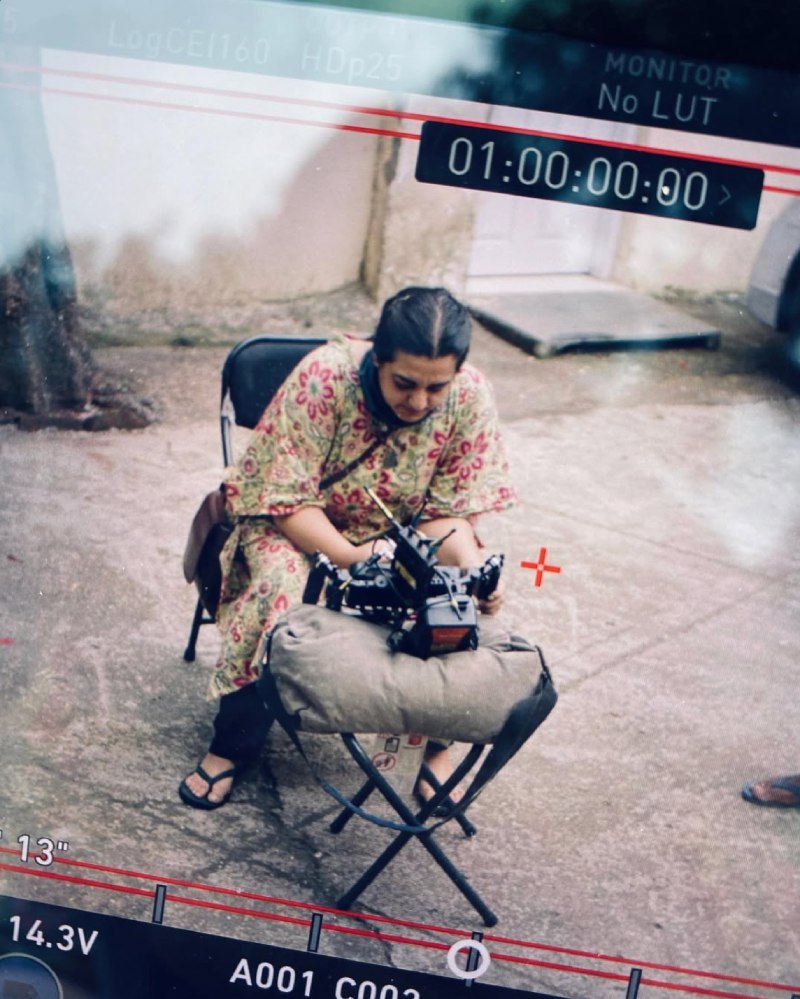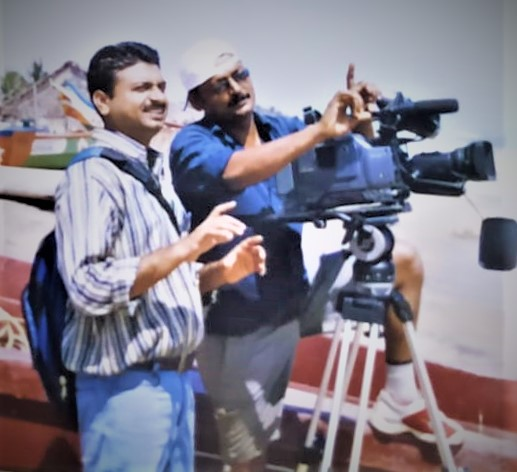

The Fictionary is a Mumbai-based film production house that brings compelling stories to life across commercials, branded content, music videos, and digital platforms. It combines sharp visual craft with distinctive storytelling to create films that engage audiences and strengthen brands. Its portfolio spans campaigns and films for leading names, including Amazon Prime Video, Volvo, Reebok, Godrej, Britannia, Domino’s, Bacardi, and Kinder, alongside independent creative projects. Through cinematic execution, cultural relevance, and fresh creative thinking, The Fictionary builds narratives that remain memorable long after the screen fades.
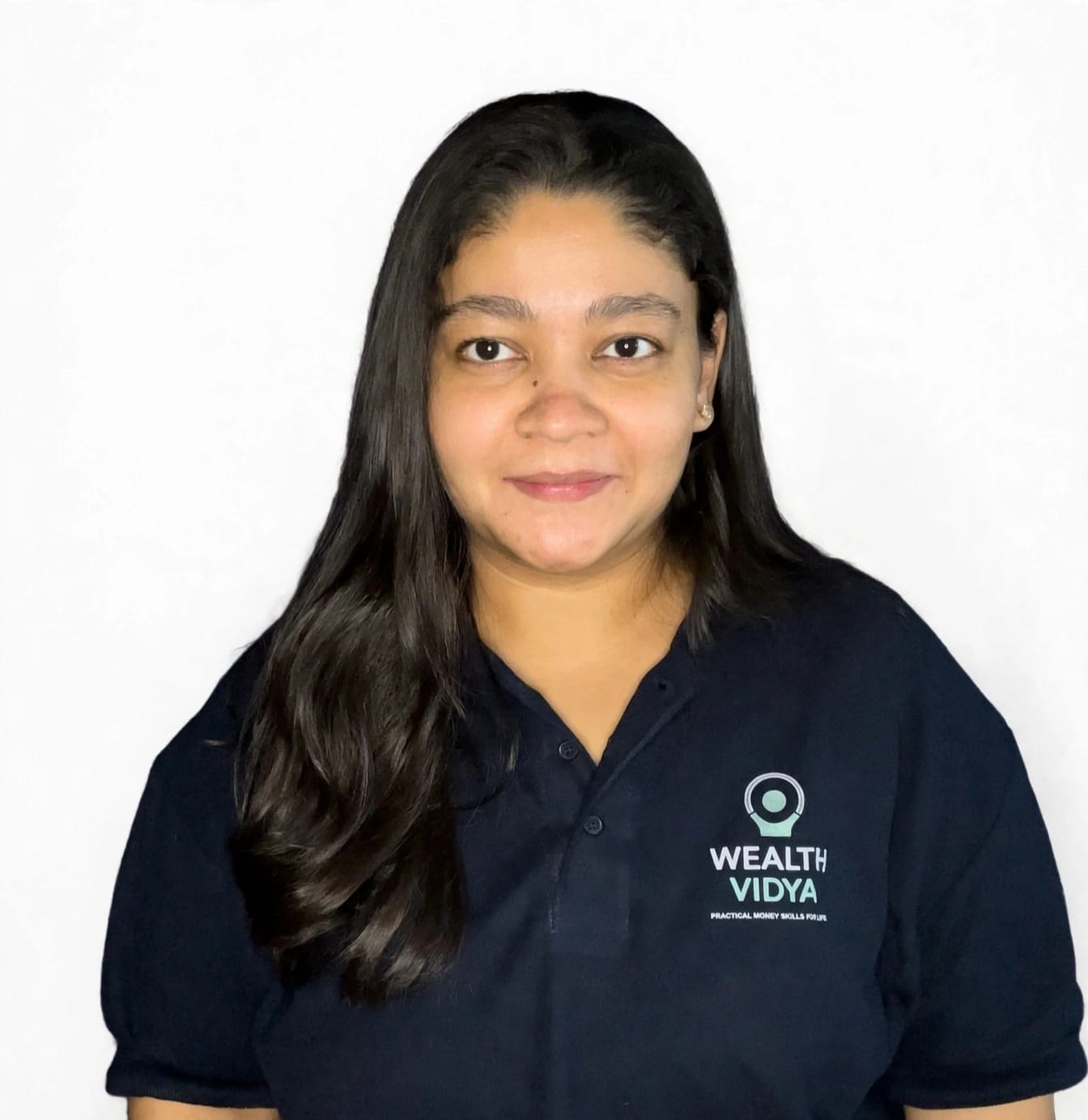
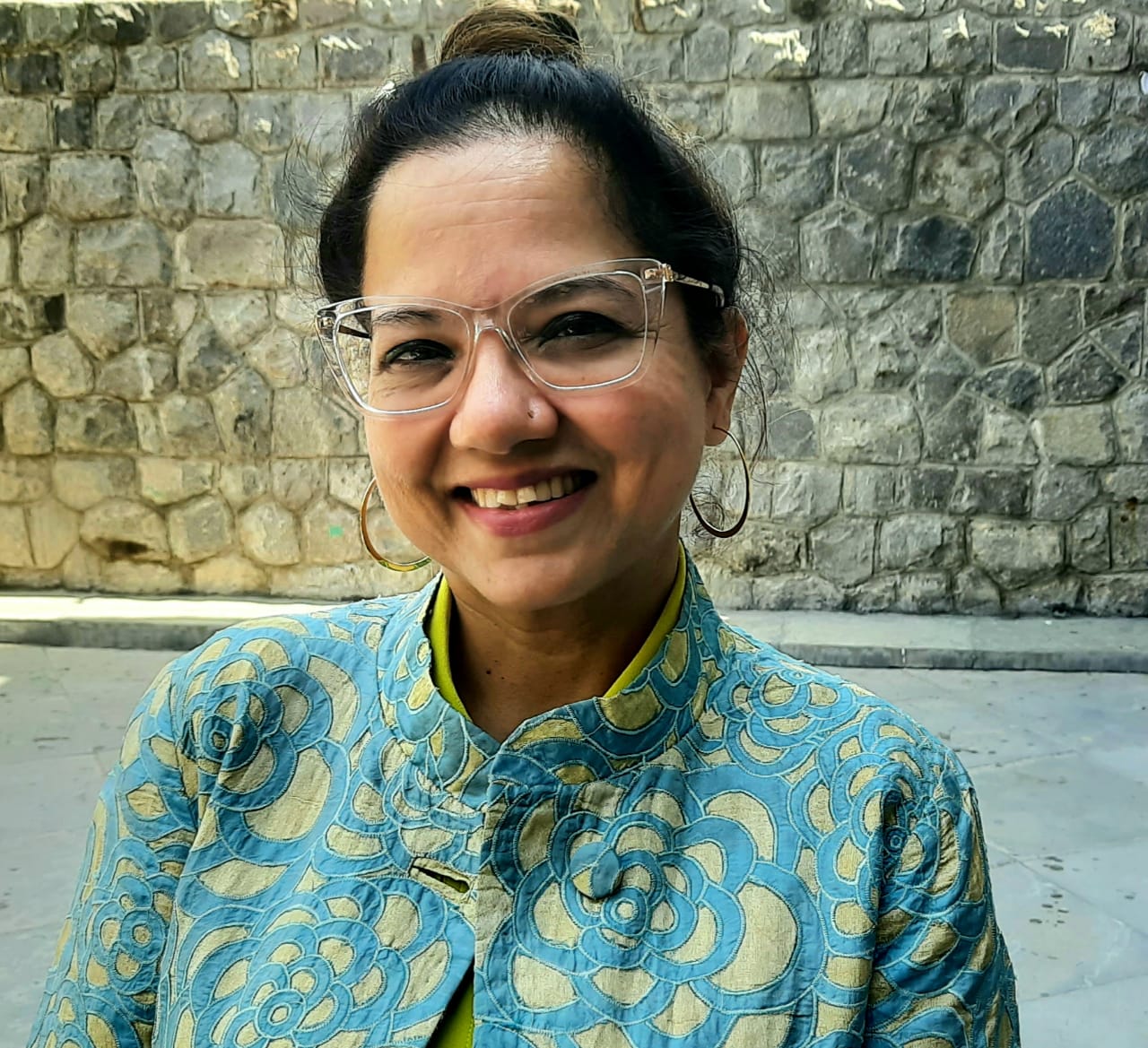
In an exclusive conversation with The Interview World, Nisrin Aziz, Founder of The Fictionary, discusses the critical factors driving the organization’s success. She explains how she keeps the creative process imaginative without letting it become chaotic. She also recalls the defining moment that tested her resilience and strengthened the studio’s reputation. Finally, she shares her vision for The Fictionary’s future. Here are the key takeaways from the conversation.
Q: What key indicators best measure The Fictionary’s success and impact in the creative services domain?
A: I have spent years thinking deeply about filmmaking and studying the global politics of advertising. Along the way, I have examined how crews in India work differently from those across the United States, the Middle East, Europe, and Southeast Asia. My academic foundation includes a Bachelor’s degree in Media, Psychology and Literature, a Master of Science in Communication, and a gold medal for excellence in Media & Film, awarded by the then President of India. I have also had the privilege of working with some of the finest minds in the global industry, from National Award winners to Oscar winners. Projects to which we have contributed our filmmaking craft have earned recognition at Cannes, the Independent Music Awards, Asian Academy Awards, D&AD, Good Ads Matter, and beyond. Yet, as I have said elsewhere, we cannot run every race carrying all our medals.
For me, success is simpler. The work continues to come in. That, more than anything, is a meaningful measure.
Today, every business is a media business, and The Fictionary operates as a full-capacity film crew. Our success has come from being meticulous about every project, assembling capable teams from across the world, treating collaborators with respect, and ultimately celebrating the impact our work creates for its intended audience.
Any film is only as strong as the clarity of thought that brings its crew together. Across advertising, music videos, and long-form storytelling, we have built an expanding network of high-production-value artists and technicians across genres and markets. Increasingly, people approach us at the ambition, problem, or even half-formed-idea stage when they need help turning an abstract thought into something tangible enough to see on paper. We have quietly built a strong position in that space.
Whatever the requirement, we have been fortunate to know the right creative minds, technical specialists, and cultural collaborators to match the work.
Film remains a largely unorganised industry, with low retention. Yet we have developed our own way of operating within it. We have endured profound shifts in how audiences consume media, not because we sought to satisfy someone else’s definition of success, but because we genuinely love the work.
I believe deeply in bridging art and commerce. As an arts-led professional operating in a commercial world, I have helped shape development, production, and post-production processes tested across hundreds of projects. Some have won awards; others have become case studies. We share those methods with clients and collaborators because craft becomes more valuable when it is understood, repeatable, and shared. The fact that we are still here, and still creating, is perhaps the strongest evidence of our commitment to the arts. To me, that is success.
Q: What systems enable your film studio to preserve creative freedom while consistently meeting deadlines, budgets, and production objectives without creating chaos?
A: Running a film project is essentially running a small company. Everything begins with a brief. From that brief, we define the scope, build the budget, shape the creative approach, establish the visual language, assemble the right crew, schedule every moving part, and finally bring it all together in post-production. Each stage depends on the one before it. When the system works, creativity gets room to breathe.
When the brief lacks clarity, creativity struggles. When the crew lacks experience, execution becomes stressful. When the budget is weak, even a powerful idea can lose its impact in production. These realities remain remarkably consistent, regardless of where in the world a film is made.
Within these constraints, I have always searched for the things that matter: a sharp idea, a clear brief, a great creative collaborator, and clients who respect the people who make the work. More importantly, I look for opportunities to teach, learn, and leave people better than I found them. For me, that is not merely a business strategy. It is a way of working and a way of life.
Creativity demands its own discipline. It is like drawing water from a deep well through a short straw, with your hands tied behind your back. The smallest distraction can interrupt the process. That is why sustaining a creative habit matters. The business should protect that state of mind, not exhaust it.
Advertising, however, often demands that creativity happen yesterday. We expect ideas to materialise instantly, sometimes at the cost of quality. Meanwhile, creative people bring their own expectations, emergencies, eccentricities, and distractions. Managing them requires patience, empathy, and structure. I have enormous respect for producers because of this.
A good producer holds the fort. They build the canvas on which filmmakers create. At The Fictionary, Adil Aziz consistently demonstrates how clarity and flexibility can balance commercial requirements with creative sustenance. His approach helps us navigate budgets and deadlines without making the process feel mechanical.
That trust is why our people return. They know we can handle the messy, exhilarating business of making an idea real.
Q: Which challenging assignment or production best demonstrated your resilience, strengthened your capabilities, and established your studio’s reputation within the creative industry?
A: Filmmaking is not for the faint-hearted. It is a lifestyle choice in which every project becomes its own island, its own ecosystem, its own society, its own state of mind and, ultimately, its own marathon. Sometimes, it even has its own theme song. The moment a budget is approved, it feels as though a starting gun has fired. You begin running towards a finish line that you cannot fully see, alongside a crew that is depending on you to get there. And throughout that race, it is you against the game. You cannot run every race carrying every medal you have won before. If you stumble, the film can fall flat on its face. The pressures are real.
We once accepted a project with an exceptionally tight timeline. Nevertheless, we developed a strong treatment, assembled an excellent cast and crew, completed the shoot ahead of schedule and delivered the finished film within the “urgent” deadline.
The agency, however, had little appetite for process. They simply wanted the work done—fast. What followed was a difficult exercise in getting corporate decision-makers to formalise creative decisions while WhatsApp conversations raged around how to execute an already ambitious film. Suggestions poured in from people outside filmmaking, while our direction team spent valuable time explaining why certain ideas would not work instead of developing the ideas that would. Meanwhile, agency responsibilities, including timely payments, were not met. It became a classic case of too many cooks, competing ownership and endless “it was my idea” moments.
Yet this project became a turning point for me. We protected the film from the noise, guided it towards cinematic integrity and even paid our cast and crew from our own pockets on the day of the shoot. Then, unexpectedly, an external legal dispute brought the entire project to a standstill. None of it concerned our craft. Yet our completed film ultimately collapsed under circumstances beyond our control.
Still, I remain deeply grateful for our team’s presence of mind. We protected ourselves through clear creative thinking, disciplined processes and documentation that could easily have been overlooked amid the chaos. The film eventually released, but the brand, consumed by the larger situation, barely supported it. Soon, the film disappeared.
What remained was the lesson.
There is no glory in a story like this. But there is discipline. We learned to protect our creative intent, document every critical decision, empower our accounting and legal teams, and extend those protections to every member of our crew. Amit and Mala at Accurate Accounting have handled our books for almost a decade, reinforcing that discipline behind the scenes.
These may be boring details for a filmmaker’s mind. Yet they create the ecosystem in which great work can survive.
Diligent attention to detail and uncompromising quality of craft remain the foundations upon which our reputation is built.
Q: Looking ahead three to five years, what is your vision for The Fictionary?
A: People make films. Forget AI, impossible timelines and unmet targets for a moment. People make the work, and ultimately, people make the audience.
At The Fictionary, we have worked with every kind of person: those driven by money, those committed to good storytelling, those who understand the power of the medium, and those who misuse it. We have met clients who resist giving creativity the time it needs, and others who value our diligence, aesthetic rigour and attention to detail. We have even received remarkable ideas from people who had never made a film in their lives.
That human exchange is where creativity begins. Healthy working relationships create the conditions in which good ideas can grow.
We are only as good as the idea, the people who shape it, and the system that enables us to make art sustainably. That is why I want The Fictionary to build healthier creative environments—for our collaborators and for ourselves. Taking breaks, knowing people beyond their business cards, and speaking up when we see opportunities for growth have always produced better work than blindly accepting the conventional nine-to-five grind.
Creative businesses rarely receive even those basic boundaries. Clients call on Sundays because weekdays belong to their “work.” Budgets force us to carry multiple responsibilities. Production schedules make illness feel like an inconvenience. Everyone wants ownership of a great idea; far fewer people accept responsibility for making it happen, and too often, those who do the work go uncredited.
For six years, we have deliberately established boundaries with our clients. In doing so, our distinctive approach to filmmaking has also encouraged better working practices around us.
Creativity is cultural ecology. At The Fictionary, we bring together creative philosophy, aesthetic intelligence, brand psychology and visual expression with the practical forces required to make an idea real. A great film lives where the maker’s belief, the director’s vision, the producer’s execution and the audience’s response intersect.
The next few years are about strengthening that core while taking what we have learned into education, conversations, original projects and IP we own. I want to build something larger than any single film: a creative practice, a community and a way of thinking. Ideally, when a great idea goes looking for its film, The Fictionary will be a celebrated part of its journey.