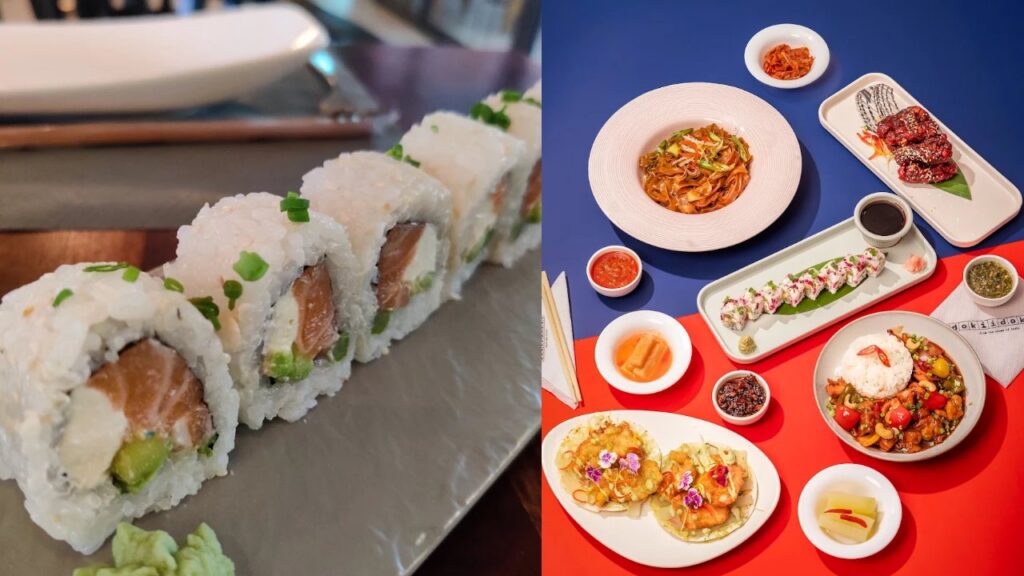

Clipper Foods India Pvt. Ltd. is a Hyderabad-based food and hospitality company behind Japanese-forward Asian dining brands Hashi and Dokii Dokii. Since its launch, Hashi and its izakaya format have built a strong reputation for Japanese-inspired Asian cuisine. More recently, Clipper Foods has expanded its portfolio with Dokii Dokii, a distinct restaurant concept developed under the Hashi umbrella.
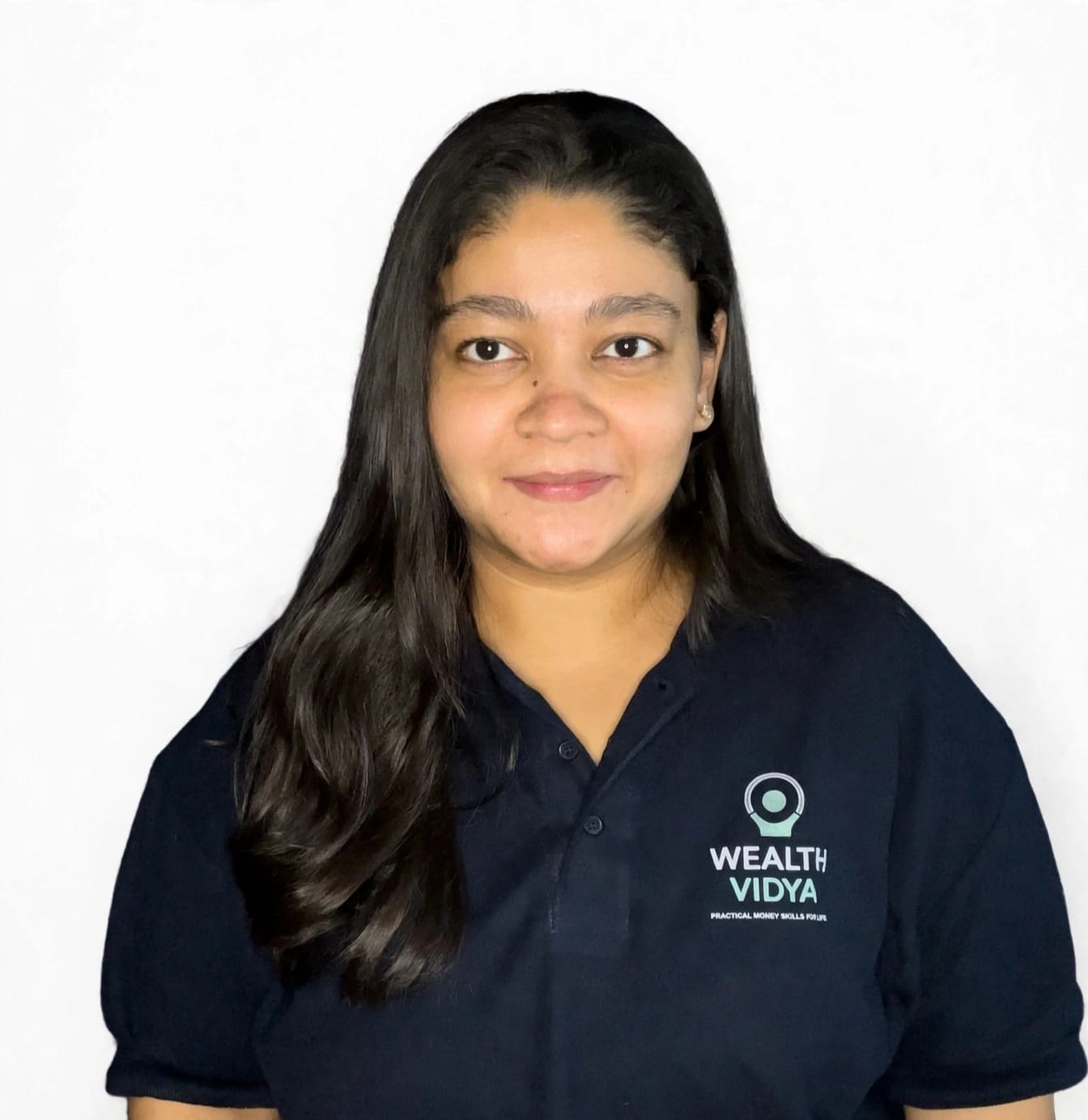
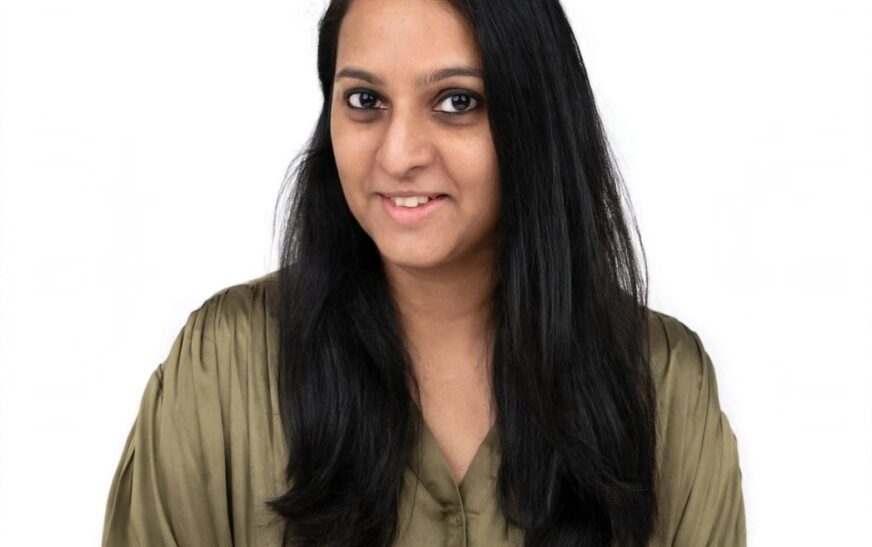
In an exclusive conversation with The Interview World, Nishita Medha, Co-founder, Clipper Foods — Hashi and Dokii Dokii, discusses the factors behind the success of the company’s dining brands, explains how Hashi and Dokii Dokii have established distinct identities while performing strongly, reflects on the most critical inflection point in the company’s journey, and outlines her vision for the organisation over the next three to five years. Here are the key takeaways from the conversation.
Q: What were the key indicators that led Clipper Foods to launch Hashi and Dokii Dokii in Hyderabad, and what factors have driven the success of these brands?
A: At Hashi and Dokii Dokii, we have always viewed success as more than simply increasing the number of outlets. Our priority has been to build brands that remain relevant, distinctive and resilient over time.
We launched Hashi in Hyderabad in 2017, when Japanese food was still relatively unfamiliar to the city. In our first year, we generated approximately ₹80 lakh in revenue. Today, the business generates roughly ₹7–8 crore. That represents close to tenfold growth over the past decade, achieved while operating just two outlets.
However, the revenue number is not what matters most to us. The real measure of success is the strength of the relationship we have built with our customers. Our dine-in ratings are around 4.5+, while our delivery ratings are around 4.2. More importantly, approximately 60% of our online delivery customers are repeat customers.
That tells us something fundamental: our core asset is not simply the restaurant. It is the brand equity and customer relationship we have built consistently over time.
Q: Hashi and Dokii Dokii have very different personalities. How do you build two distinct brands while maintaining operational discipline behind the scenes?
A: Hashi and Dokii Dokii are intentionally very different. Hashi is the more mature and Japanese-forward brand, whereas Dokii Dokii is younger, more experimental and experience-led.
However, we have learned that a distinctive customer experience does not require a fragmented operating model. The brands can feel completely different to customers while sharing a disciplined operating backbone.
Behind both brands, we have common systems covering procurement, inventory, costing, SOPs, people and financial controls. We also purchase collectively and leverage negotiated supplier relationships. This gives both brands greater purchasing power and operating efficiency.
At the same time, each brand has a distinct economic opportunity.
Hashi has historically been food-led, with sushi and Japanese cuisine at its core. Dokii Dokii, on the other hand, has been designed around all-day Asian dining, coffee and zero-proof beverages. Beverages already contribute approximately 17% of its dine-in revenue. The concept also creates additional occasions for customers beyond a traditional meal.
Therefore, the opportunity is not simply to increase sales. It is to optimise the revenue mix and productivity of each brand while ensuring that they remain clearly differentiated from the customer’s perspective.
Q: You distinguish the excitement of starting a business from the discipline required to sustain it. Which phase of the journey taught you that lesson most sharply?
A: Our biggest business inflection point came just four days after we opened our Begumpet location, when the national COVID-19 lockdown was announced.
Overnight, our entire dine-in business disappeared. We had just invested in a new location, had no meaningful operating history there and suddenly had no conventional cash flow. However, we quickly realised that the consumer’s desire for restaurant food had not disappeared. What had changed was the ability to access it.
We responded by building a direct relationship with customers through takeaway and delivery. In the early days, we even handled orders by phone. At the same time, we focused heavily on communicating our hygiene, food-safety and delivery protocols so customers could feel confident ordering from us.
As restrictions evolved, we built a loyal base of repeat customers who continued to order. What began as a crisis-response mechanism eventually became a permanent revenue engine for the business.
Equally important, that delivery business enabled us to retain our entire team and continue paying salaries through an extraordinarily difficult period.
The real inflection point was discovering that Hashi could generate demand even when the physical restaurant was inaccessible. COVID-19 forced us to recognise that we were not simply in the restaurant business. We were in the business of creating food experiences that customers actively seek, regardless of where they consume them.
Q: Looking ahead three to five years, what is your vision for Clipper Foods — Hashi and Dokii Dokii?
A: Over the next three to five years, our ambition is to build Clipper Foods into a multi-format hospitality company rather than simply a collection of restaurants.
Hashi and Dokii Dokii will remain our core brands. However, we see significant potential in smaller and more focused formats, including Japanese cafés, ramen, dumplings, sushi and other concepts where we can deliver a distinctive customer experience through a more efficient and replicable model.
We also see opportunities beyond the traditional restaurant format through kiosks, delivery, retail products and strategic partnerships.
Geographically, we would like to take the right concepts beyond Hyderabad once we have established genuinely repeatable unit economics. We do not want to expand simply for the sake of adding outlets. We want to ensure that every format we scale has a compelling customer proposition and a sustainable operating model.
The next phase will require continued investment in people, technology, training, procurement and centralised systems, along with selective capital for expansion.
Ultimately, our ambition is to build a company where the brands remain distinctive, the customer experience remains personal and the operating engine behind them becomes genuinely scalable.