

Greenecolink Private Limited stands at the forefront of India’s e-waste management sector, delivering sustainable and cost-efficient solutions powered by zero-waste discharge technology. From collection and sorting to recycling, secure data destruction, reverse logistics, and Extended Producer Responsibility (EPR) compliance, the company offers a comprehensive suite of services tailored to today’s digital era.
Rooted in a mission that champions environmental stewardship, legal compliance, and occupational health, Greenecolink operates on core values—integrity, innovation, and safety. Its cutting-edge facility enables secure data erasure, maximized resource recovery, and eco-responsible disposal of electronic equipment waste. Beyond operations, the team delivers strategic, customized consultations that blend affordability with reliability.
The company envisions a future free of landfill waste, driven by global scalability and focused on generating lasting value for shareholders, employees, and communities. By converting electronic waste into raw materials that re-enter the manufacturing cycle, Greenecolink is actively shaping a circular economy—one that promises a cleaner, greener planet.
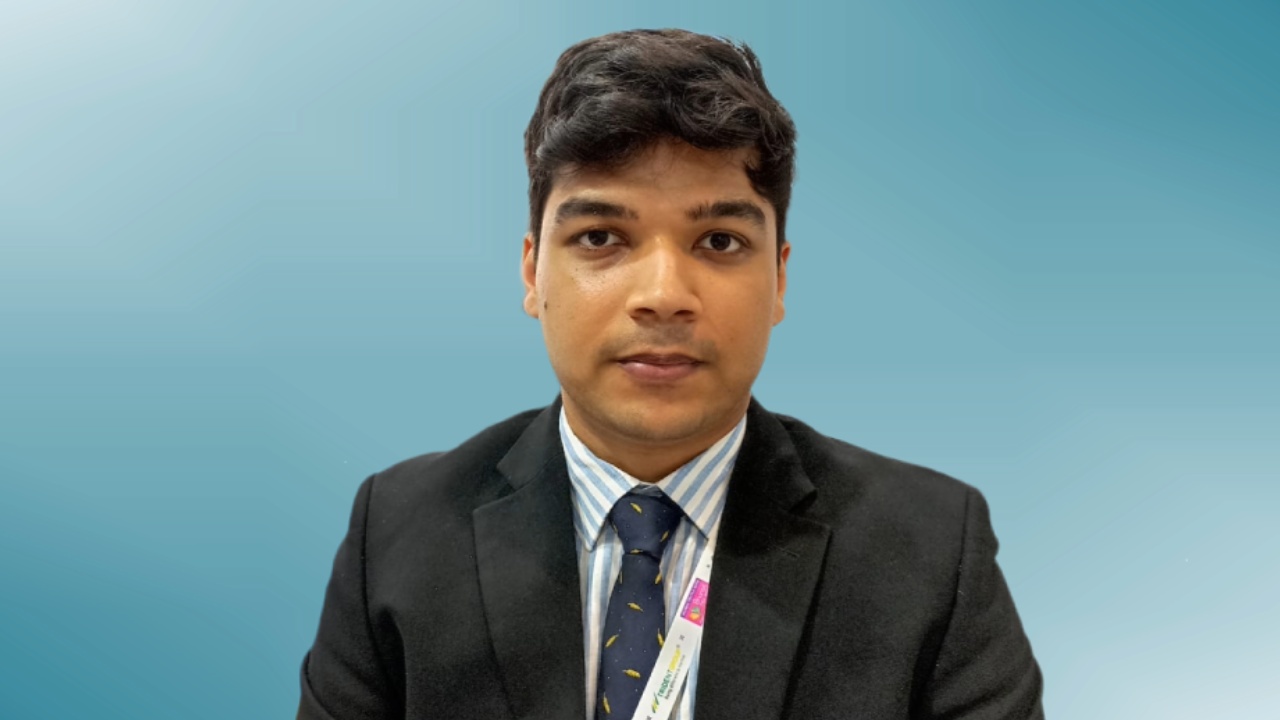
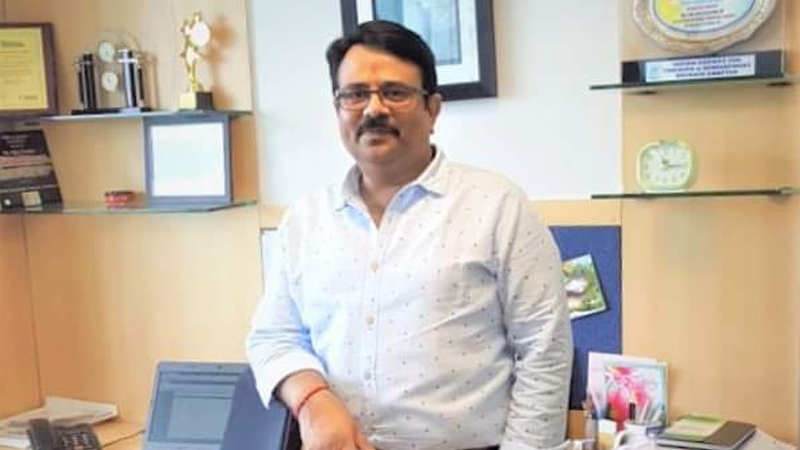
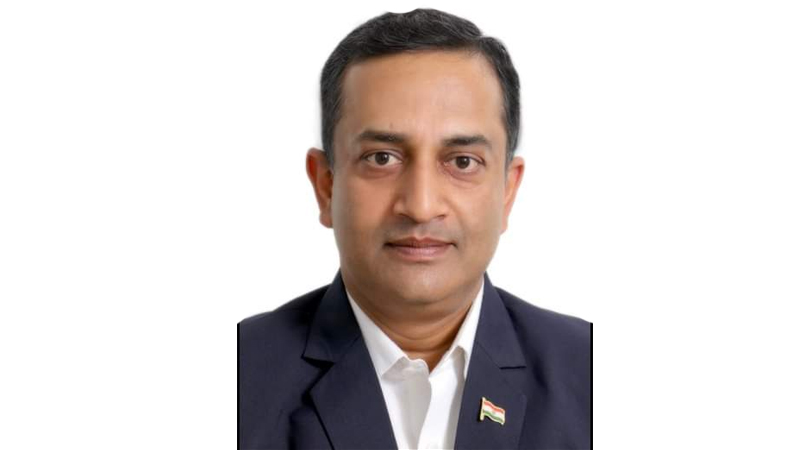
At the Consumer Electronics World Expo 2025, The Interview World caught up with Kumar Mahesh, Chief Operating Officer at Greenecolink Private Limited. In a candid conversation, he detailed the company’s strategic positioning within the evolving e-waste ecosystem. He unveiled the robust supply chain GreenEcolink has built to redirect post-recycling materials back into relevant industries. Mahesh also emphasized the economic viability of recycled components compared to virgin materials, shedding light on current recycling volumes and outlining ambitious long-term targets.
Here are the key takeaways from this insightful exchange.
Q: How is Greenecolink positioning itself in the e-waste management ecosystem, and what specific strategies or technologies is the company leveraging to drive sustainable outcomes?
A: At Greenecolink, we specialize in recycling electronic waste. We source discarded electronic materials from end-users, corporate clients, and the unorganized sector. Once procured, we channel this waste to our advanced processing facility, where it undergoes a structured, two-fold treatment: refurbishment and recycling.
The process begins with meticulous segregation. If a device or component retains functionality or can be restored, we refurbish it and reintroduce it into the market for resale. This not only extends product lifecycles but also contributes to a circular economy. However, if the item is beyond repair, we transfer it directly to our recycling unit.
Recycling starts with dismantling. Take an air conditioner, for example. We disassemble it into individual components, which we further categorize into residual waste and secondary printed circuit boards (PCBs). Residual waste undergoes another level of breakdown to extract valuable raw materials—plastic, iron, aluminum, copper, oil, and gas.
Each of these materials follows a separate recovery path. We convert extracted plastics into reusable plastic granules and sell them back into the market. Iron and copper are routed to certified metal traders for reuse in manufacturing. As for PCBs, we process them to recover precious metals, ensuring nothing of value is lost.
This closed-loop system exemplifies our core philosophy: Reduce. Reuse. Recycle. Through this approach, GreenEcolink not only diverts harmful e-waste from landfills but also recovers valuable materials that can re-enter industrial supply chains—creating both economic and environmental impact.
Q: Could you elaborate on the ecosystem and supply chain network Greenecolink has built to channel post-recycling raw materials back into relevant industries efficiently?
A: As you may recall, our Prime Minister recently emphasized the importance of the four R’s—Reduce, Reuse, Recycle, and Recover. This guiding principle reflects a national push toward sustainable resource management. From electronic scrap, we can extract valuable materials that are fully capable of being repurposed into new products. Importantly, this practice aligns with the regulations and approvals set forth by both the Ministry of Environment, Forest and Climate Change (MoEFCC) and the Central Pollution Control Board (CPCB). Their endorsement reinforces the critical role of circularity in building a greener, more resource-efficient economy.
Q: How cost-effective is your recycled material supply process compared to traditional sourcing of new raw materials for your end-user industries?
A: When recyclers supply recovered materials directly to producers, the cost advantage becomes immediately evident. Take plastic, for example. Traditionally, sourcing virgin plastic involves high production costs and environmental degradation. However, when we recover plastic from e-waste, it not only proves significantly more cost-effective, but also reduces dependence on fossil fuel-based raw materials.
Moreover, reusing recycled plastic minimizes environmental harm. In today’s world, where pollution ranks among the most pressing global challenges, this approach offers a practical and scalable solution. That’s why we proudly say—we are not just recyclers; we are part of a larger ecosystem.
By recovering and repurposing materials that would otherwise contribute to landfill and pollution, we protect the planet, safeguard public health, and support a sustainable future. It’s a triple win: economic value, environmental protection, and human well-being.
Q: What is your current recycling volume, and how do you envision its growth trajectory over the next 5 to 10 years?
A: Currently, our recycling capacity in India stands at 4,000 metric tons per annum. However, we are fully committed to scaling up. As we continue to strengthen our infrastructure and expand our resource base, we aim to increase our capacity to 15,000–20,000 metric tons annually over the next 5 to 10 years. This strategic growth reflects our vision to meet rising demand, support circular economy goals, and deliver greater environmental impact at scale.
Q: What innovations are you developing to make your recycling process more cost-effective and economically attractive for producers using the recovered materials?
A: Innovation remains at the core of everything we do. Our goal is clear—deliver maximum value to producers and offer the highest quality products to end users. That’s the standard we strive for, and that’s exactly what we’re committed to achieving.