
Copeland leads the world in sustainable heating, cooling, and refrigeration, delivering comfort, safety, and efficiency at scale. With operations in more than 40 countries, a team of 18,000 people, and over 3,400 patents, its technologies power more than 200 million installations worldwide.
From advanced compressors and condensing units to smart thermostats, sensors, and digital monitoring tools, Copeland engineers solutions built not just for today, but for a climate-conscious tomorrow. The company drives the energy transition with urgency, pioneering climate-friendly refrigerants and strengthening the global cold chain to safeguard food and life-saving pharmaceuticals.
But Copeland’s story goes beyond innovation. It is about impact. The company embeds safety, inclusion, and environmental stewardship at its core—empowering teams everywhere to address the megatrends reshaping our planet. Simply put: Copeland doesn’t just design technology. It designs a more sustainable future.
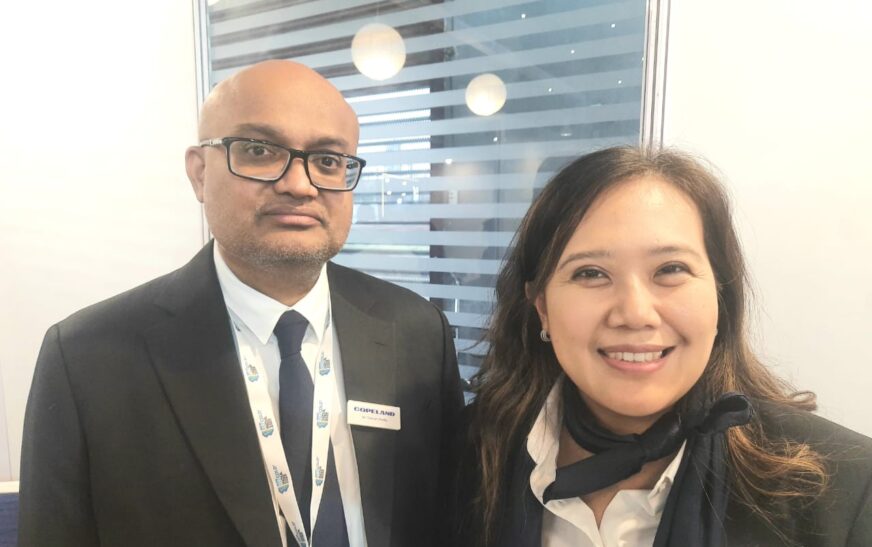
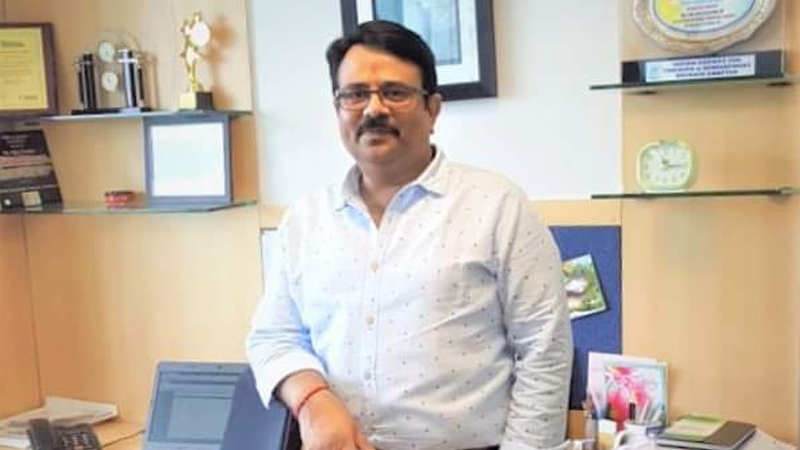
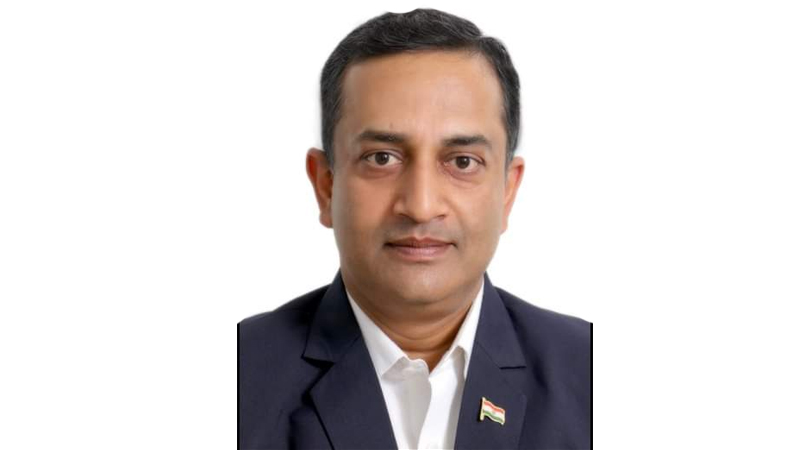
At REFCOLD India Expo 2025, The Interview World had the privilege to interact with Lieny Jang, Director – Marketing, Asia, Middle East, and Africa, and Chetan Shetty, Business Director – Cold Chain & Electronics, Copeland. Together, they unpacked how Copeland is redefining refrigeration with breakthrough technologies, advancing SDG-driven sustainability, safeguarding nutrition through smarter cold-chain practices, and unlocking new opportunities in India’s fast-growing market. What follows are the most compelling insights from that conversation.
Q: How is Copeland transforming the refrigeration landscape through its solutions and technologies?
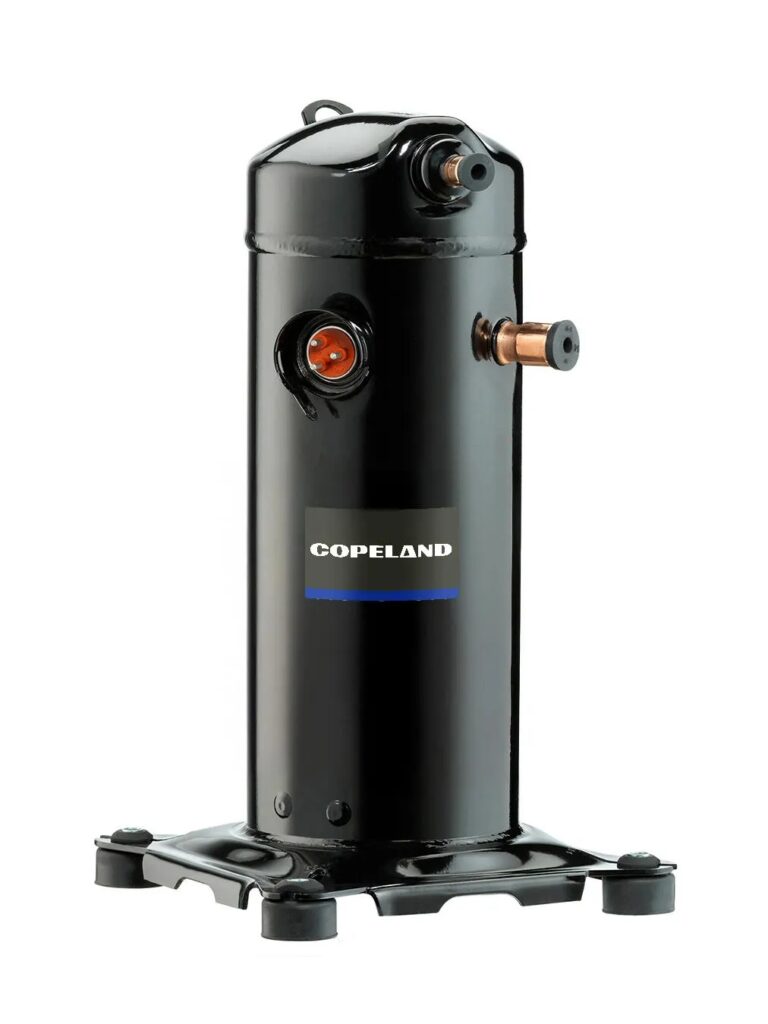
A: We are introducing the Copeland ZB Scroll solution, now available in higher horsepower and larger sizes. These advanced refrigeration compressors are purpose-built for cold storage facilities, enabling food retailers across India to keep their products fresh and reliably refrigerated. Until now, our portfolio has catered primarily to smaller players. With this launch, we expand our offering to include larger systems, giving customers building high-capacity cold storages the same access to Copeland’s proven technology.
Equally important, we focus not just on the product itself but on its entire life cycle cost. That means looking beyond the initial purchase. We account for energy efficiency during operation, long-term reliability, and even end-of-life considerations when equipment is eventually discarded or recycled. In short, we partner with customers across the full journey, from design and deployment to operation and disposal. This holistic approach defines the technology we deliver and the value we bring.
Q: In what ways is Copeland demonstrating its commitment to the UN SDGs through sustainable practices in its technology value chain?
A: When we talk about sustainability, the environment is always at the center of the conversation. At Copeland, we address it through two primary levers: energy efficiency and climate-friendly refrigerants.
First, we make our systems more energy efficient. Greater efficiency means power plants run less, release fewer pollutants, and place less strain on the grid. Every incremental gain in efficiency translates into a measurable reduction in environmental impact.
Second, we carefully select and advance refrigerants with a low global warming potential (GWP). Traditional refrigerants can significantly increase CO₂ emissions when leaks occur. By contrast, our solutions minimize that footprint and reduce the system’s contribution to greenhouse gases.
But our commitment doesn’t stop there. We design with the entire life cycle in mind, from product inception to end-of-life. That means considering not only how efficiently the unit operates but also how we can minimize emissions when it is eventually decommissioned or recycled.
In short, sustainability at Copeland is not an afterthought. It is an end-to-end framework: efficient systems, low-GWP refrigerants, and responsible design from start to finish.
Q: What value is Copeland adding through technology and process innovations to ensure food nutrition is maintained during refrigeration?
A: As we’ve studied the food industry more closely, one truth stands out: every food has an ideal temperature. Whether it’s seafood, fruit, or dairy, each category requires a precise range to stay fresh and safe. If that balance is lost, spoilage is inevitable.
That’s where Copeland steps in. We provide advanced monitoring solutions, our Copeland Trackers and Loggers, backed by intelligent software that enables remote oversight of food shipments. From farm to distribution center, from cold rooms to retail shelves, our technology tracks the entire journey in real time.
With these IoT-enabled tools, operators can see exactly what is happening to their stock at every stage. They know if the food is being kept within the right temperature range. Imagine lobster or fresh fish traveling through the blistering 35°C heat of Delhi. Without proper refrigeration, freshness disappears, and food safety is compromised by the time it reaches the consumer.
Our technology eliminates that risk. By monitoring conditions continuously, we provide full visibility “from source to fork.” Retailers and food operators gain confidence, backed by data, to assure their customers: this fish you’re eating has been preserved at the right temperature, every step of the way.
Q: How do you view the prospects for your company in the Indian market?
A: India presents tremendous opportunities. It is a vast nation with a growing population, rapid urbanization, and vibrant economic momentum fuelled by both domestic investments and global brands. For companies like Copeland, this creates an environment ripe with possibilities.
We are deepening our commitment by localizing manufacturing, particularly in compressor production. At the same time, hundreds of our India-based engineers support global operations, driving innovation not just for the Indian market but for the world. Knowledge flows seamlessly between India, the U.S., and Europe, fuelling the development of cutting-edge technologies and solutions.
Looking ahead, we see India’s market accelerating rapidly over the next five to ten years. Together with our ecosystem partners, customers, and end users, we will continue modernizing the nation’s cold chain infrastructure. The demand is clear: today’s consumers place a premium on food safety. They expect reliability, transparency, and assurance.
To meet that expectation, every stakeholder, Copeland included, must step up. We must deploy the right tools, the right technologies, and the right solutions. Only then can we build the confidence consumers deserve and deliver on the promise of a modern, resilient cold chain.




2 Comments
This topic really needed to be talked about. Thank you.
This was really well done. I can tell a lot of thought went into making it clear and user-friendly. Keep up the good work!
Comments are closed.