
Artificial intelligence is redefining industries, economies, and societies at an unprecedented pace, firmly establishing itself as one of the most transformative technologies of the twenty-first century. As AI reshapes education, research, and the future of work, institutions, educators, and professionals must evolve to remain competitive in an increasingly digital and intelligent world. At the same time, AI’s continued advancement promises to unlock new frontiers in scientific research, create entirely new categories of employment, and fundamentally transform higher education. Consequently, universities must embed AI across teaching, research, curriculum design, and assessment to equip graduates with the knowledge, critical thinking, and adaptive capabilities required to succeed in an AI-driven future.
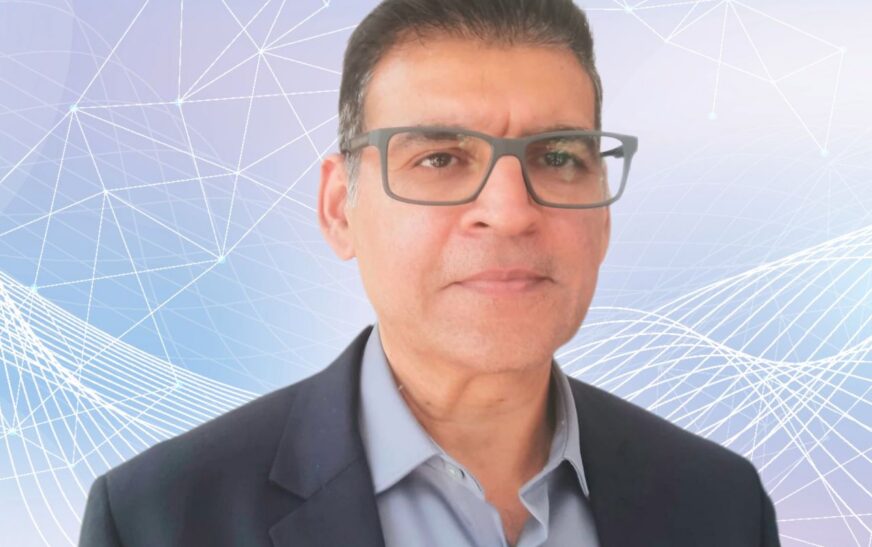
In an exclusive conversation with The Interview World during AIM-PEACE 2026, hosted by Jaipuria Institute of Management, Dr. Vishal Talwar, Chief Operating Officer, University of Southampton Delhi, shares his insights into the future trajectory and resilience of artificial intelligence. He examines the most critical AI research priorities that demand greater attention, identifies the emerging career opportunities that will define the next generation of work, and explains how higher education institutions must rethink their curricula, pedagogical approaches, and research agendas to prepare students for the opportunities and challenges of the AI era. Here are the key insights from this thought-provoking conversation.
Q: Do you think AI will continue to evolve, and how resilient do you believe it will be over the long term?
A: Artificial intelligence has emerged as one of the most dynamic and transformative technology domains of our time. Significant investments are flowing into the AI ecosystem, not only in the United States but across the world, including India. These investments span the entire technology stack, from foundational AI infrastructure and models to specialized applications and domain-specific solutions.
From an Indian perspective, the momentum is particularly encouraging. The country is witnessing unprecedented experimentation, rapid innovation, and the emergence of AI-driven solutions across industries, academia, and startups. This is not a temporary wave or a passing trend; it is a fundamental technological revolution that will continue to reshape economies, industries, and societies for years to come.
More importantly, AI has the potential to accelerate economic growth while creating new opportunities for graduates and professionals. It will redefine careers, expand possibilities, and enable individuals to contribute in ways that were previously unimaginable.
The real challenge, therefore, lies not in whether AI will endure, but in how effectively we integrate it into our learning ecosystems. Universities and educational institutions must embed AI into teaching, research, and everyday academic experiences. At the same time, they must cultivate greater curiosity among students, deepen their understanding of AI’s capabilities and limitations, and equip them to apply AI responsibly for enhanced decision-making and problem-solving.
Ultimately, our long-term success will depend on how thoughtfully and effectively we harness AI to transform education, empower learners, and prepare the next generation for an AI-driven future.
Q: What are the most critical areas of AI research that require greater focus moving forward?
A: Artificial intelligence presents a vast and rapidly expanding research landscape. Among the most critical priorities is understanding how to develop, deploy, and govern AI responsibly. Researchers must focus on building ethical AI systems, strengthening AI governance frameworks, and ensuring that AI remains transparent, accountable, fair, and aligned with human values.
Beyond governance, AI is fundamentally transforming the way organizations operate. This creates significant opportunities for research into how AI is reshaping organizational structures, redefining work practices, and influencing leadership and decision-making. Equally important is understanding AI’s impact on business strategy, competitive advantage, and long-term value creation.
At the functional level, AI is revolutionizing disciplines such as marketing, finance, operations, human resources, and supply chain management. Each of these domains offers rich opportunities to examine how AI enhances productivity, improves decision-making, drives innovation, and transforms business performance.
Taken together, these areas represent some of the most important frontiers of AI research. Advancing knowledge across these dimensions will not only deepen our understanding of artificial intelligence but also ensure that its adoption remains responsible, sustainable, and beneficial to society.
Q: What new job roles do you foresee emerging in the AI era, and which sectors are likely to create the most employment opportunities?
A: Artificial intelligence will not simply replace jobs; it will create entirely new categories of work across industries and disciplines. Many of the most promising opportunities will emerge at the intersection of domains, where expertise from multiple fields converges to solve complex problems.
For example, the convergence of finance and technology continues to create new roles in fintech. Similarly, the integration of marketing and technology is driving the rapid evolution of martech, while the fusion of human resources and technology is transforming talent management, workforce analytics, and employee experience. Comparable opportunities are emerging across healthcare, manufacturing, education, legal services, sustainability, and numerous other sectors. As interdisciplinary collaboration accelerates, demand for professionals who can bridge multiple domains will continue to grow.
This transformation also carries an important responsibility. Professionals can no longer rely solely on the knowledge they acquired during their formal education. Instead, they must continuously upgrade their skills, embrace new technologies, and adapt to changing industry needs.
Consequently, lifelong learning is no longer optional, it is essential. Micro-credentialing, continuous upskilling, and reskilling must become integral to every professional’s career journey. Those who cultivate a mindset of continuous learning will be best positioned to seize the opportunities created by AI and thrive in an increasingly dynamic and technology-driven world.
Q: How should educational institutions adapt their curricula, teaching methods, and research priorities to prepare students for an AI-driven future?
A: In my view, artificial intelligence must become an integral part of the higher education ecosystem rather than remain an isolated academic initiative. Its adoption should extend across every dimension of the university experience, from student learning and faculty development to institutional strategy, curriculum design, assessment frameworks, and academic administration.
The key questions are no longer whether universities should adopt AI, but how they should integrate it effectively. How can AI enrich classroom learning? How can it personalize the learning experience? How can it strengthen critical thinking, improve student decision-making, and enable faculty to deliver more engaging and impactful education? These are the questions that every higher education institution must now address.
Universities, standalone institutions, and colleges all have a significant opportunity, and responsibility, to lead this transformation. The journey, however, must begin with a culture of experimentation, supported by a clear institutional vision and sustained investment in digital infrastructure and AI technologies. Without meaningful investment, large-scale transformation will remain difficult to achieve.
In the Indian higher education ecosystem, greater investment in artificial intelligence, machine learning, and advanced digital technologies has become imperative. Expanding AI capabilities across universities will accelerate innovation, strengthen research, improve teaching outcomes, and prepare graduates for the demands of a rapidly evolving economy.
Equally important, AI must move from the periphery to the core of the curriculum. It cannot remain confined to a single course, an elective, or a standalone module. Instead, it should be embedded across disciplines and integrated into the way knowledge is created, delivered, and applied. Just as universities increasingly promote multidisciplinary learning by encouraging students from finance, marketing, human resources, engineering, and other disciplines to collaborate on real-world problems, AI should serve as a foundational capability that supports learning across every field.
Embedding AI tools, platforms, and intelligent technologies throughout the curriculum will equip students with the digital fluency, analytical capabilities, and problem-solving skills they will need throughout their professional lives. Ultimately, the depth of AI integration within higher education will determine how effectively universities prepare graduates to lead, innovate, and succeed in an AI-driven future.