

Gudz, an India-based logistics technology company operated by Hyperion Future Tech Ventures Pvt. Ltd., is redefining fleet and delivery operations through tightly integrated SaaS solutions. Founded in 2021, the company initially focused on EV fleet rentals; however, it quickly pivoted and scaled into a comprehensive, full-stack logistics platform. Today, its portfolio spans fleet management, order and delivery orchestration, EV infrastructure management, and 3PL network integration. As a result, Gudz empowers enterprises to optimize routing, monitor fleets in real time, automate workflows, and extract actionable intelligence. Consequently, with a steadily expanding footprint across major Indian cities, the company enables scalable, efficient, and sustainable logistics ecosystems driven by data and automation.
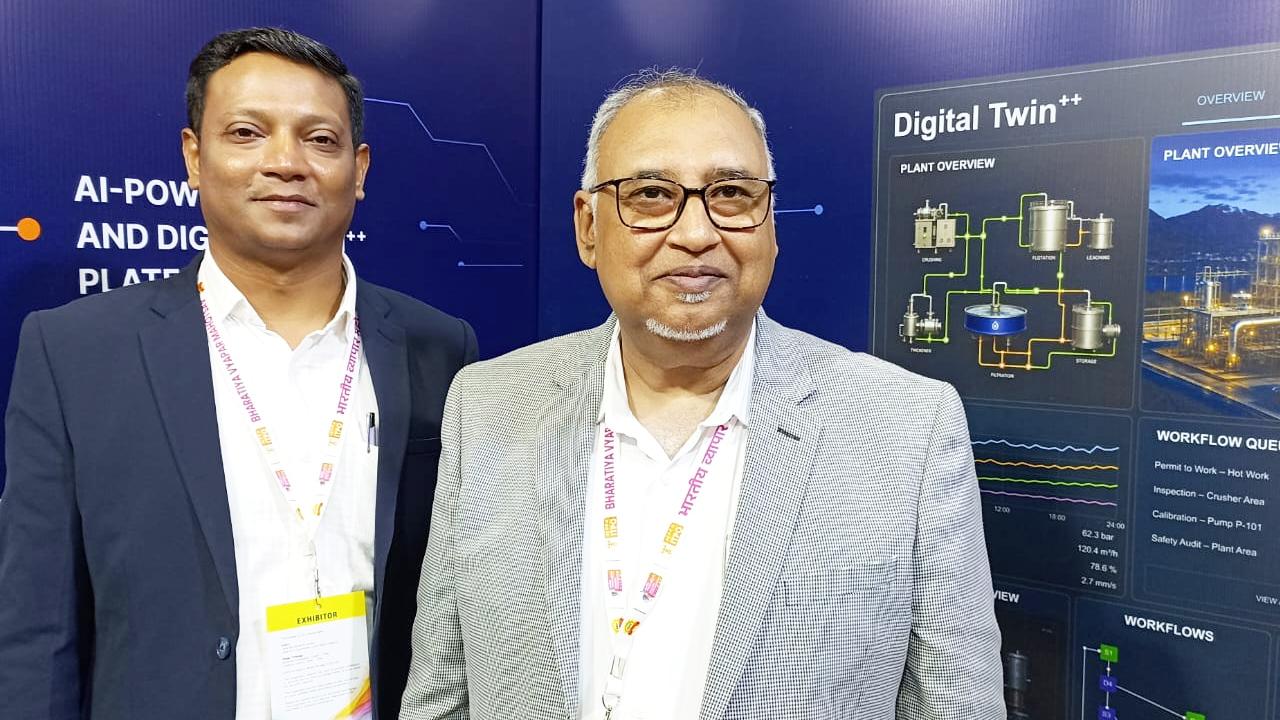
In an exclusive interaction with The Interview World at AutoTech Asia 2026, Aryaman Sheodaan, Founder of Gudz, articulates the company’s logistics and supply chain solutions with clarity and precision. He further details how these solutions enhance operational efficiency, while also outlining the next wave of innovations being built atop the existing platform. Moreover, he evaluates emerging global opportunities in logistics and supply chain technologies. The following are the key insights from this substantive and forward-looking conversation.
Q: Can you elaborate on Gudz’s logistics and supply chain management solutions, and specify the key operational challenges they are designed to address?
A: Our platform Gudz operates as a full-stack logistics and fleet supply chain technology company, systematically addressing critical operational inefficiencies. Specifically, it eliminates fragmentation within internal workflows and, more importantly, resolves the disconnect between enterprise operations and third-party stakeholders.
To achieve this, Gudz enables end-to-end management of logistics functions. It streamlines warehousing, inventory control, and order management; consequently, logistics companies gain unified visibility and tighter operational control. At the same time, for fleet operators, the platform addresses core challenges across maintenance, route optimization, and driver management. As a result, it closes a persistent capability gap that has long constrained efficiency in these segments.
Notably, the market still lacks cost-effective, integrated solutions tailored to these needs. Therefore, we position our platform to bridge this gap with accessible, scalable technology. Meanwhile, as AI gains mainstream adoption, businesses are becoming more informed about leveraging software to optimize operations. In turn, we strategically capitalize on this shift by embedding intelligence into our platform, enabling smarter, data-driven decision-making across the supply chain.
Q: To what extent do your solutions improve operational efficiency for clients, and how do you quantify these gains?
A: We have recorded a measurable increase in operational productivity, with efficiency gains ranging between 25% and 30% across operations teams. As a result, staff can redirect their time and focus toward higher-value, strategic tasks instead of routine MIS generation and manual data entry.
At present, many organizations still rely heavily on personnel for repetitive administrative work. They typically hire resources at ₹15,000–₹25,000 per month to handle data entry and follow-ups. However, our system automates these functions with precision and consistency. Consequently, it reduces dependency on manual roles while simultaneously enhancing overall organizational productivity.
In effect, companies not only streamline their workforce requirements but also unlock greater efficiency and operational agility at scale.
Q: How many clients are currently leveraging your solutions and platform?
A: Currently, 7–8 clients actively use the platform. We launched it earlier this year; therefore, it remains in its initial growth phase. However, we are now focused on scaling adoption and expanding our client base in a structured and accelerated manner.
Q: Are you primarily focused on the domestic market, or do you also have plans to expand into international markets?
A: We already operate across multiple international markets; for instance, we have an active presence in Saudi Arabia.
Q: What new innovations are you planning to build on top of your existing platform?
A: At this stage, we have not outlined additional expansion plans. Instead, we are concentrating on executing and refining our existing software portfolio, which we launched in January. Accordingly, we remain focused on delivering and scaling our current offerings across fleet management, logistics management, and supply chain management.
Q: How do you assess global opportunities in supply chain and logistics solutions?
A: The market opportunity is substantial, driven by the breadth and versatility of our product portfolio. Specifically, the global fleet management software segment alone represents an estimated $10 billion market. In parallel, logistics management software accounts for approximately $30–40 billion. Consequently, when combined, these segments define a consolidated global market opportunity of nearly $50 billion.