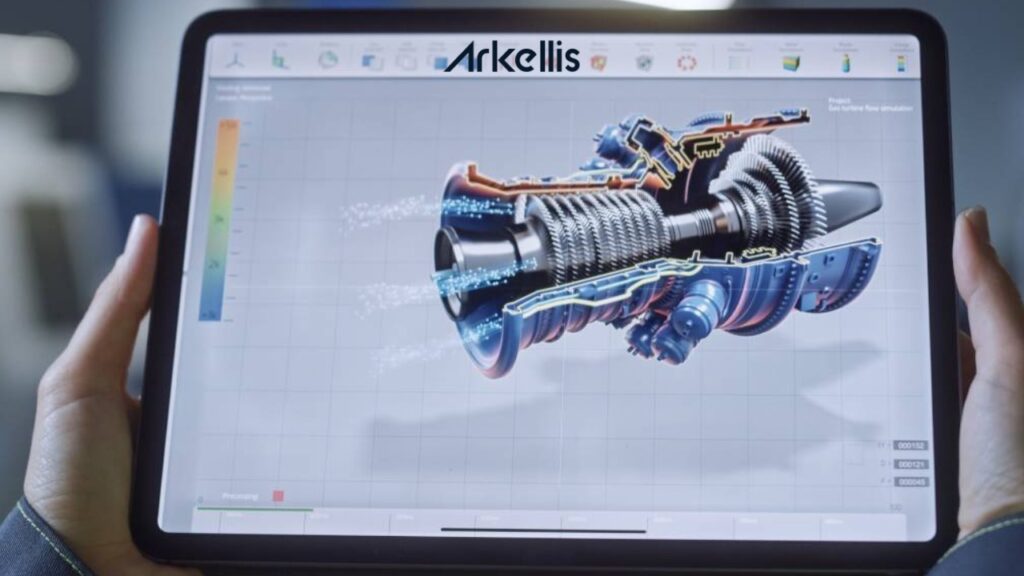

Arkellis operates as a digital twin technology company that drives industrial transformation through advanced AR/VR, cloud, data, and AI platforms. At the core of its portfolio sits Ausrine, a comprehensive SaaS platform that brings physical assets to life using immersive 2D, 3D, and AR experiences. By seamlessly integrating asset data, 3D models, and operational workflows, Ausrine creates a unified digital environment. As a result, teams can visualize assets, conduct inspections, and develop interactive standard operating procedures with precision and speed. Through purpose-built modules such as Composer, Inspect, and Viewer, the platform streamlines operations, strengthens real-time decision-making, and significantly boosts productivity across engineering and manufacturing ecosystems.
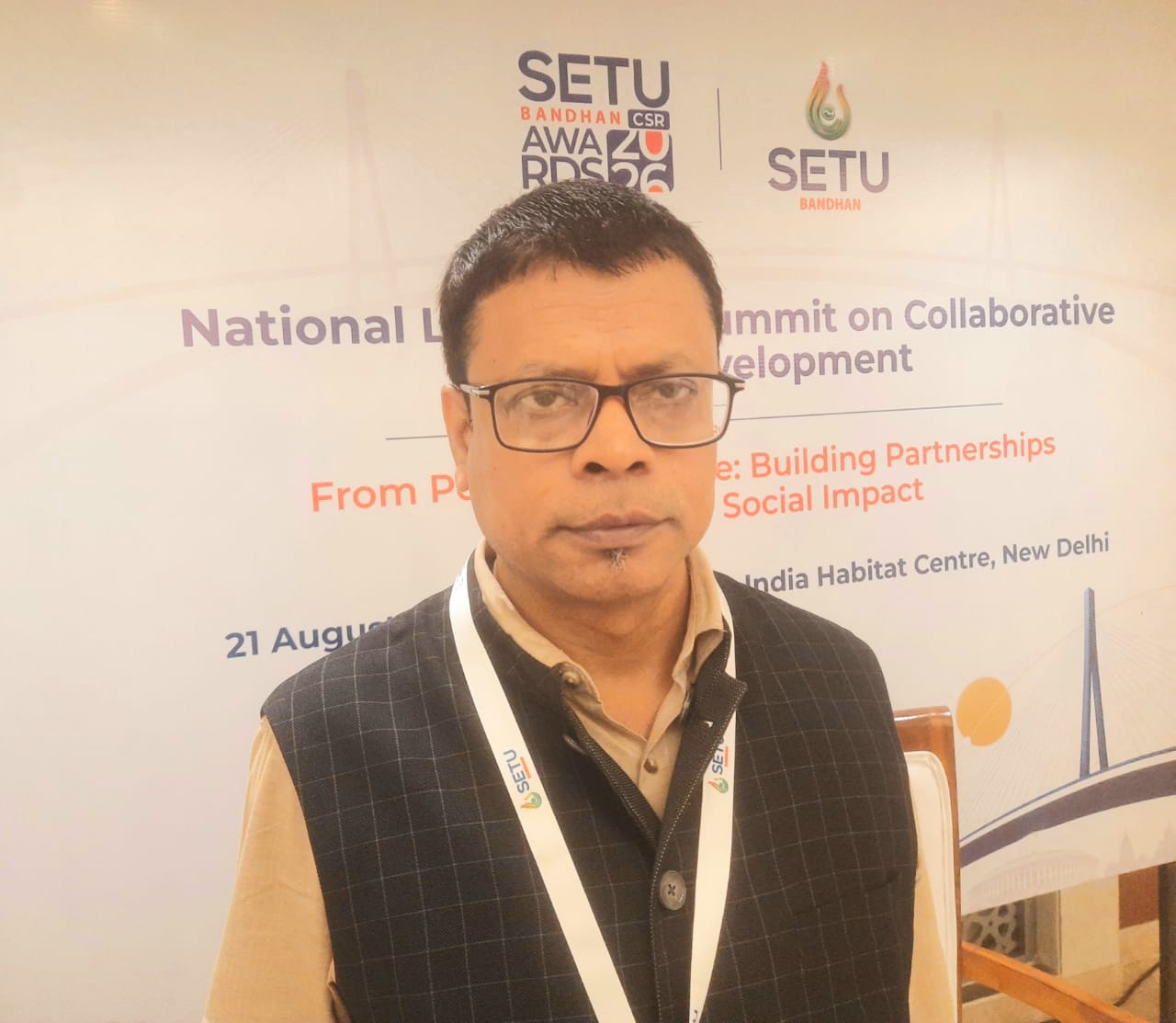
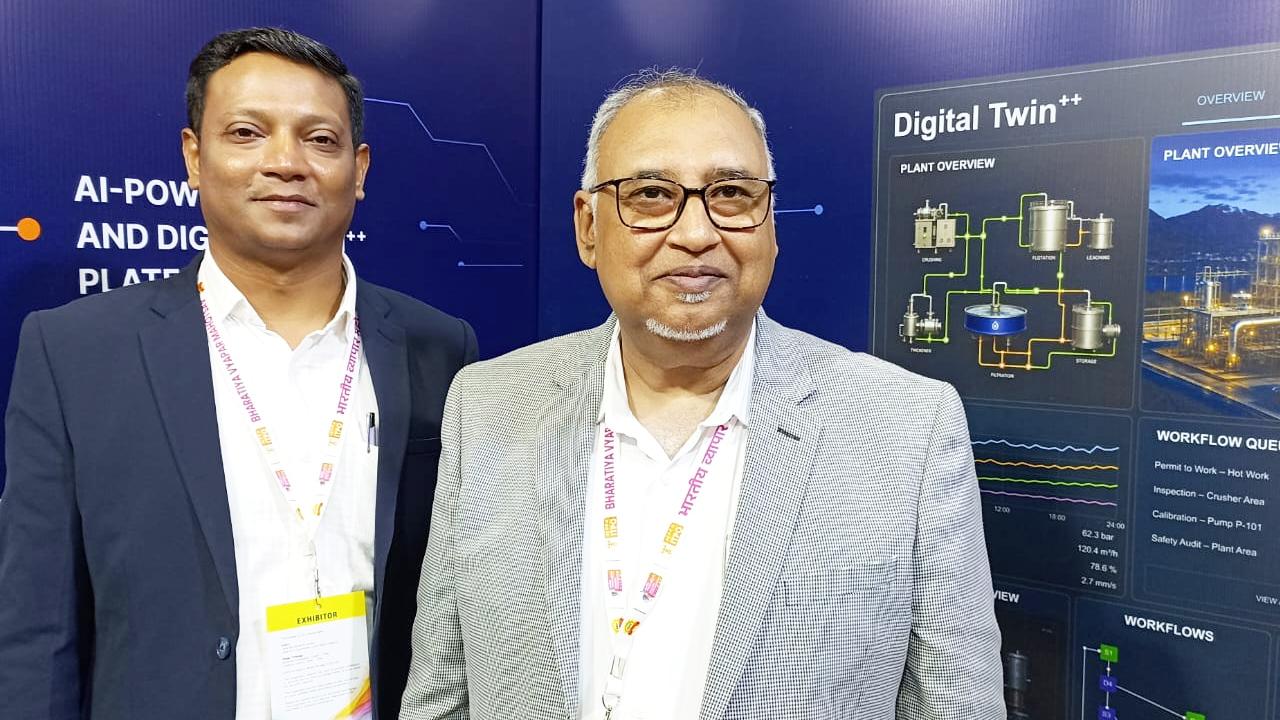
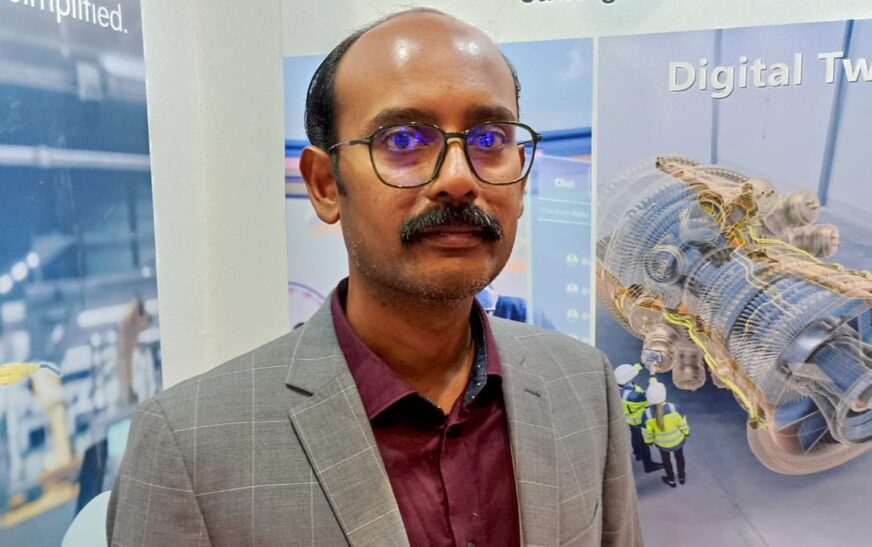
In an exclusive discussion with The Interview World, Abilash Ashok, Founder and CEO of Arkellis, articulates the platform’s core capabilities and outlines its commercialization trajectory. He further examines the expanding market opportunity for digital twin solutions while demonstrating how Ausrine enables manufacturers to remotely monitor shop floor operations and make informed decisions. In addition, he highlights upcoming innovations that will extend the platform’s capabilities. The following are the key insights from this in-depth and forward-looking conversation.
Q: Can you detail the core capabilities of your flagship digital twin platform, Ausrine, and explain how it specifically addresses key industry challenges such as operational efficiency, predictive maintenance, and real-time decision-making?
A: Ausrine functions as a digital twin experience platform purpose-built for equipment manufacturers. More broadly, it serves any organization that operates or manages physical assets. The platform enables users to create immersive, interactive 3D experiences that support critical processes such as maintenance, assembly, installation, and repair.
At the same time, Ausrine delivers value across multiple functions. Sales teams use it to enhance product visualization and engagement; aftermarket teams leverage it to improve service delivery; and field engineers rely on it for accurate, guided execution in real-world environments. Consequently, the platform establishes a unified operational layer that connects diverse teams around a shared digital asset model.
Moreover, Ausrine adopts a cross-platform architecture. It runs seamlessly across smartphones, web browsers, tablets, and desktop systems. As a result, users can access and interact with digital twins anytime, anywhere, without friction. At a high level, Ausrine transforms static physical assets into dynamic, accessible, and actionable digital experiences.
Q: Where does Ausrine stand in its commercialization journey?
A: We are currently running pilot programs with multiple customers across both engineering and retail segments. At the same time, we are validating use cases, refining deployments, and aligning the platform with real-world operational requirements in each domain.
Q: How do you assess the market opportunity for digital twin solutions, and what traction are you currently observing across key industries?
A: The product defines a new category in the market; therefore, it demands deliberate customer education. As a result, adoption requires a fundamental shift from established ways of working to a more advanced, digital-first approach.
At present, early traction comes primarily from customers who actively experiment with emerging technologies and embrace innovation. In contrast, more traditional organizations will require additional time to evaluate, adapt, and ultimately convert into scaled business engagements.
Nevertheless, the underlying technology demonstrates strong promise. More importantly, it delivers measurable value by enhancing efficiency, improving decision-making, and driving operational transformation across the enterprise.
Q: Does Ausrine enable manufacturers to remotely monitor and control their production processes in real time?
A: No, Ausrine does not control manufacturing processes. Instead, it enables manufacturers to monitor machine operations in real time and apply predictive maintenance strategies. In this way, users gain continuous visibility into equipment performance and operational conditions.
However, the platform does not execute or alter process controls. Rather, it focuses on visualization and insight delivery, allowing users to assess current status, identify anomalies, and make informed decisions without directly intervening in the production workflow.
Q: What new capabilities or innovations are you planning to build on top of the existing platform?
A: Ausrine operates as a modular suite of applications designed to address distinct use cases. For instance, it enables real-time monitoring, supports advanced visualization, and incorporates AI-driven systems for troubleshooting.
In essence, the platform functions much like an office productivity suite. However, instead of generic tools, Ausrine delivers specialized applications tailored to industrial workflows. As a result, each module serves a specific purpose while remaining seamlessly integrated within a unified digital twin environment.