

Runtime Solutions, a Mumbai-based technology firm founded in 2010, delivers integrated digital solutions across web development, UI/UX design, mobile applications, and advanced domains such as AI and computer vision. It fuses creative design with data-driven strategy; consequently, it harnesses artificial intelligence, machine learning, and analytics to elevate customer experience and accelerate business outcomes. Moreover, the company drives digital transformation by partnering with brands across industries to build scalable platforms, strengthen digital presence, and deliver measurable growth. Supported by a multidisciplinary team, Runtime Solutions prioritizes innovation, executes with strategic precision, and consistently delivers high-impact digital experiences on a global scale.
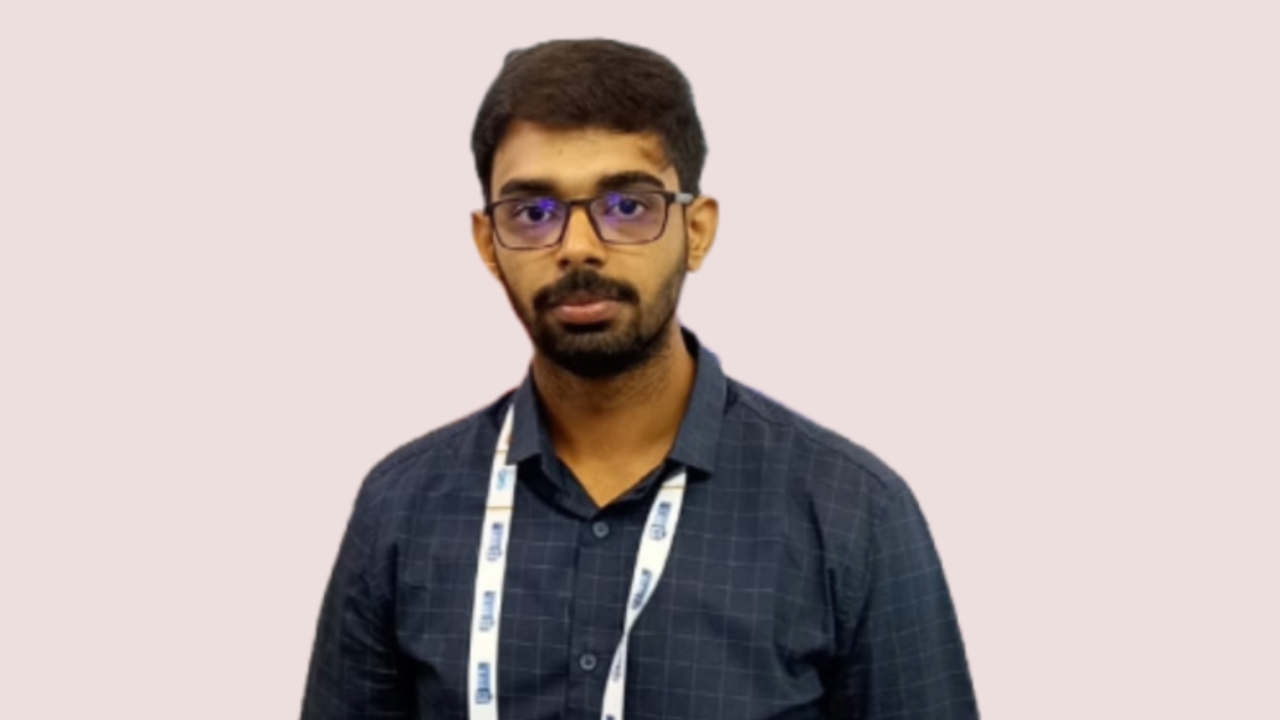
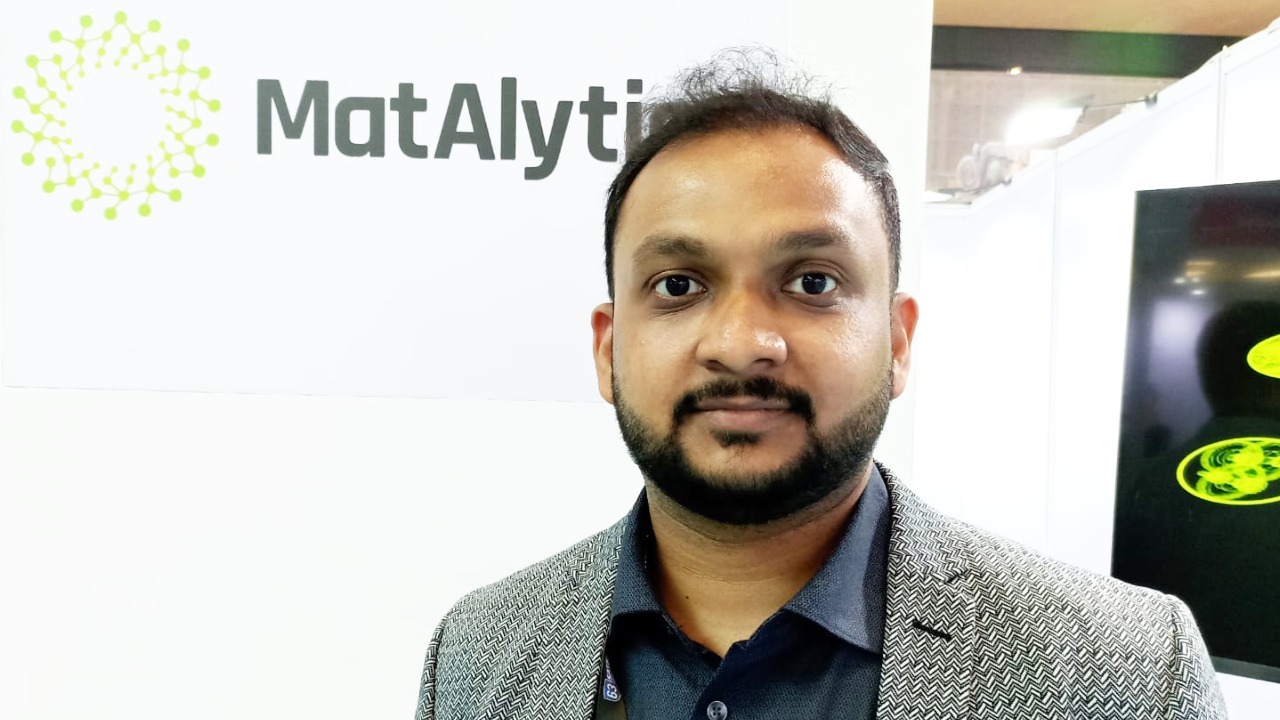
In an exclusive interaction with The Interview World at the 33rd Convergence India Expo, Arjun Chatterjee, Founder and CEO of Runtime Solutions, outlines the company’s digital solutions and product portfolio while clearly articulating the differentiators that distinguish its offerings in a competitive market. He further analyses product adoption trends and client response; in addition, he details the revenue mix between export and domestic markets. Looking ahead, he presents a forward-looking vision for market expansion and product innovation over the next five years. Finally, he offers a nuanced perspective on rupee depreciation, examining its implications for software exports alongside the associated opportunities and structural challenges. Here are the key takeaways from this insightful conversation.
Q: Could you elaborate on the technology solutions and products offered by Runtime Solutions, and highlight the key differentiators that set them apart from comparable offerings in the market?
A: We are a technology company established in 2010, and over the past sixteen years, we have built a strong foundation in IT and digital services. Initially, we focused on delivering comprehensive enterprise solutions; specifically, we covered the entire lifecycle, from consulting and design thinking to UI/UX, development, and deployment. In addition, we integrated cybersecurity into our offerings and managed end-to-end maintenance. While many firms now provide similar services, we distinguish ourselves by executing at scale and with consistent delivery excellence.
Over time, we have expanded our footprint both in India and globally; consequently, we now serve a diverse portfolio of international clients. We have also forged strategic partnerships with leading organizations such as Accenture, EY, Tech Mahindra, and Capgemini, and we continue to collaborate closely with them. More recently, we have sharpened our strategic focus; therefore, we are actively expanding into high-growth sectors such as fintech, banking, real estate, and hospitality.
At the same time, we have embedded artificial intelligence as a core capability across our solutions. In particular, we leverage video analytics and AI to develop advanced, real-world applications. For example, our product FRAMS, Facial Recognition Attendance Management System, redefines conventional attendance tracking. Traditionally, organizations rely on biometric systems or manual camera-based verification; however, FRAMS eliminates these touchpoints entirely. Instead, it integrates with existing CCTV infrastructure and continuously captures and analyses employee movement in real time.
As a result, the system automatically records attendance without requiring physical interaction; moreover, it accurately flags late arrivals. Beyond that, it tracks behavioural patterns, including break frequency and duration, thereby generating actionable insights into workforce productivity. Consequently, management gains granular visibility into employee engagement and performance. This, in turn, enables more informed decision-making, supports fair incentive structures, and drives overall operational efficiency.
Q: Could you share your perspective on the adoption of your products across industries in India, including how clients are integrating them into their operations and the overall feedback or outcomes observed?
A: Adoption is gaining clear momentum across government bodies and manufacturing enterprises; moreover, we are actively engaging with clients in the broader services sector. While the journey remains long, we have already established a strong foundation through meaningful conversations in India. In the process, we have onboarded credible partners and built relationships with high-potential customers. Consequently, we are well positioned to accelerate deployment; therefore, we expect a steady pipeline of large-scale rollouts in the near term.
Q: Could you provide a breakdown of your revenue mix between export and domestic sales?
A: Our revenue mix currently stands at approximately 60:40, with 60% derived from domestic markets and 40% from exports. In some years, we have achieved an even 50:50 split; however, the present distribution reflects shifting global dynamics. Specifically, ongoing geopolitical tensions across multiple regions have begun to influence export activity.
That said, our business model remains inherently resilient. For instance, during my visit to the GITEX Global in Dubai last year, I engaged with a delegation from Iran. They inquired about potential collaboration, and I confirmed our openness to such engagements. Importantly, our products operate entirely in the digital domain; therefore, they transcend the logistical constraints associated with physical goods such as oil or hardware.
Consequently, we benefit from a borderless delivery model. Our solutions can be deployed globally without reliance on physical supply chains; moreover, they face minimal structural restrictions regarding market access. This flexibility not only mitigates external disruptions but also enables us to pursue opportunities across diverse geographies with confidence.
Q: Where do you envision Runtime Solutions in the next five years in terms of market expansion and product innovation?
A: We are pursuing a deliberate and structured market expansion strategy. To begin with, we are actively exploring Africa as a high-potential destination. At the same time, we have already established a presence in the Middle East; therefore, we are now focused on deepening our footprint there. In parallel, we are evaluating opportunities across Europe, as well as in Australia and New Zealand.
Recently, we initiated discussions with potential partners from Australia and New Zealand; consequently, this engagement could serve as a strategic entry point into those markets. Meanwhile, although we already operate in the United States, we intend to significantly scale our presence and market share in that geography.
On the product innovation front, we are intensifying our focus on advanced technologies. Specifically, we are leveraging video analytics, artificial intelligence, and Large Language Models to continuously enhance our offerings. As a result, we aim to deliver more intelligent, adaptive digital solutions that not only improve customer acquisition but also create sustained value for clients.
Q: While a weaker Rupee is often seen as beneficial for software exporters, what is your view on its overall impact, including both advantages and potential challenges?
A: The depreciation of the Indian rupee against the US dollar presents a nuanced, two-sided impact. At a macro level, a weaker rupee signals relative currency fragility; therefore, it can modestly erode overall economic positioning. However, for export-driven businesses, the effect is largely favourable. Specifically, exporters realize higher rupee earnings for every dollar billed; consequently, revenue inflows improve when converted and deployed domestically.
That said, the advantage is not unilateral. We often incur costs in foreign currencies, particularly for international travel, client acquisition, and on-ground engagement; as a result, these expenses rise in tandem with currency depreciation. Therefore, the net benefit depends on the balance between foreign revenue and overseas expenditure.
Moreover, exchange rates operate within cyclical market dynamics; hence, current trends will eventually correct over time. Even so, in the present context, a weaker rupee clearly benefits service exporters, especially those with scalable, deliverable digital offerings.