
In today’s rapidly evolving business environment, artificial intelligence is no longer a distant aspiration; it is a strategic necessity. However, for many micro, small, and medium enterprises (MSMEs) in India, the barriers to AI adoption stem less from technology and more from mindset. Business owners often fear job displacement, dismiss AI as “not meant for us,” or hesitate due to perceived cost burdens. These assumptions are fundamentally flawed. AI does not replace human capability; it strengthens it. By augmenting decision-making, streamlining operations, and unlocking scale, AI enables MSMEs to compete with far larger players. Conversely, resisting AI constrains efficiency, innovation, and long-term growth. With clear, ROI-driven strategies, affordable and integrated tools, and a phased approach that starts small and scales fast, MSMEs can deploy AI as a powerful force multiplier rather than a disruptive threat.
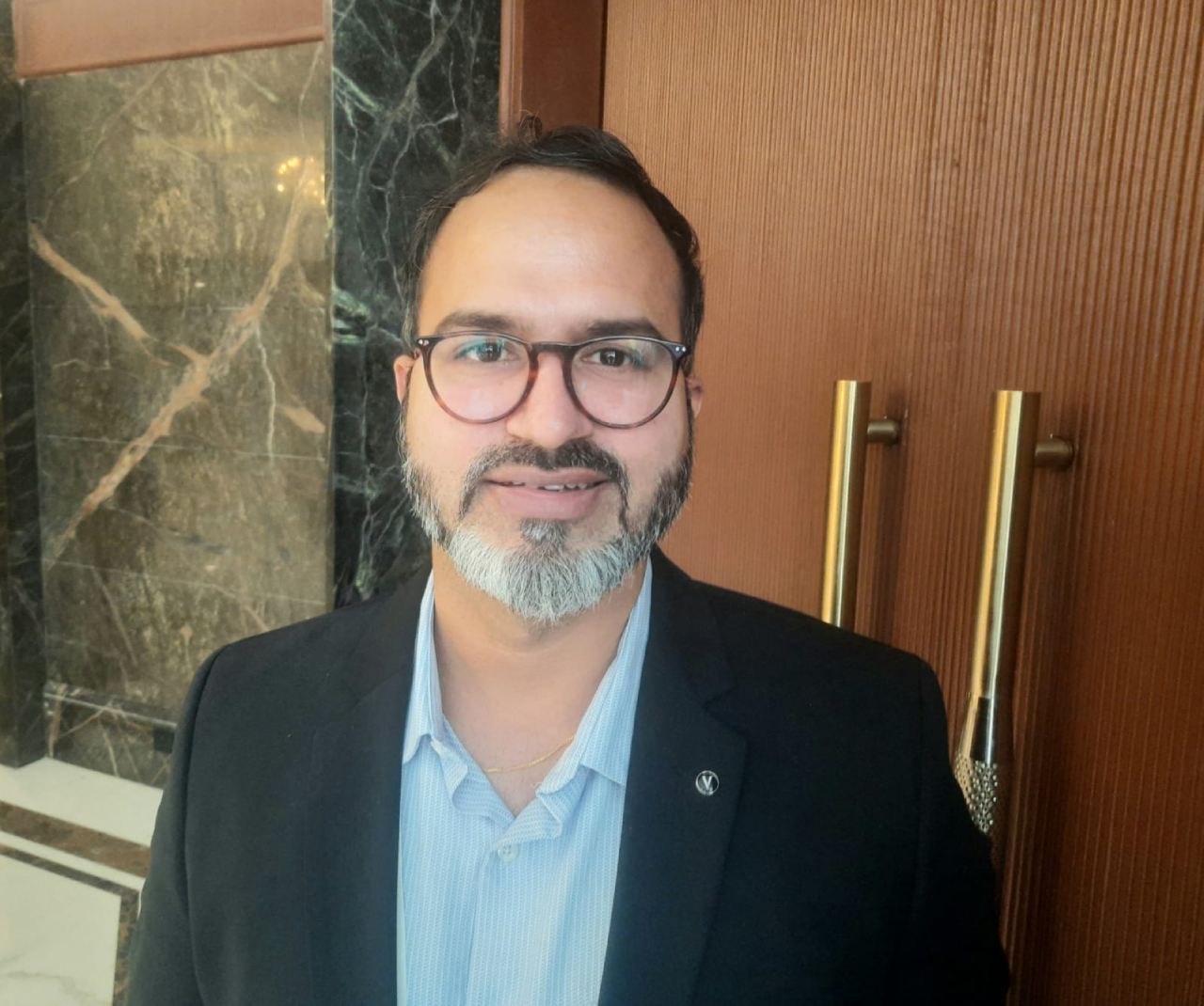
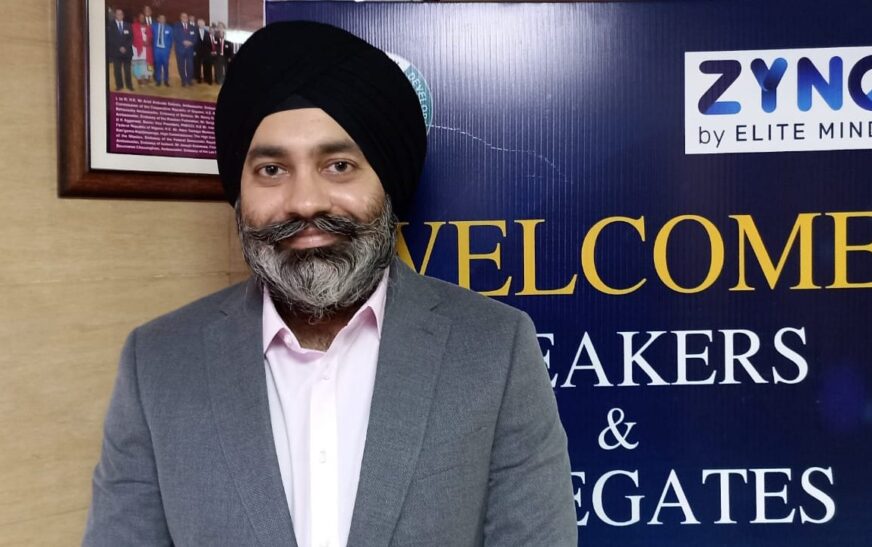
Against this context, The Interview World held an exclusive conversation with Dilpreet Singh Bhasin, Managing Director, Newage Digital Media, at the ZYNO AI Products Showcase hosted by PHDCCI. In this discussion, Bhasin dissected the root causes of SME resistance to AI, demonstrated how AI delivers measurable ROI, outlined pragmatic adoption frameworks, and shared his perspective on the most significant AI breakthroughs likely to reshape businesses over the next five years. Below are the key insights from this compelling exchange.
Q: As an AI automation coach, what are the most common challenges or forms of resistance you observe among SMEs when implementing AI across their business functions?
A: A major challenge for MSMEs in India regarding AI adoption is mindset. Many business owners fear job losses or feel that AI is “not for us.” This is a misconception. India has a vast population and abundant human resources. Adopting AI does not hinder the country’s development, it accelerates it.
Consider history: a century ago, trains ran on steam engines. Today, we talk about bullet trains. Imagine if people back then had refused to upgrade, insisting steam engines were enough. Travel would have remained slow and limited. Evolution in technology drives progress. To compete globally, businesses must evolve alongside international standards.
Similarly, MSMEs must shift from manual operations to automated systems. AI does not replace human effort; it amplifies it. It acts as an extension of your brain, enabling you to think strategically while reducing repetitive work. Embracing AI enhances efficiency, expands capacity, and strengthens competitiveness.
Q: Given that cost is often a major constraint for SMEs in India, how do you demonstrate to your clients that the ROI from AI implementation outweighs their investment?
A: Every initiative must be ROI-driven. MSMEs often hesitate, even though large corporates are already leveraging AI. The hesitation stems from perceived costs and complexity.
I want to assure MSMEs: you don’t need to worry about ROI upfront. Today, AI is essentially accessible at no cost. You can learn the basics from free resources on YouTube. You don’t need expensive consultants or third-party companies. Many forward-thinking organizations have already created free platforms to get started. All it takes is awareness, just like the guidance I’m sharing today. Once you know these resources exist, you can begin immediately.
The key is to start talking about it and taking action. AI adoption is no longer optional; it’s essential. It does not replace your efforts, it amplifies them. Manual processes limit scalability. AI, on the other hand, allows you to scale, optimize operations, and increase revenue efficiently.
Q: What practical strategies would you recommend for SMEs looking to adopt AI effectively?
A: In my presentation, I spoke about chaos and noise in the AI space. There is overwhelming noise because every company in AI is developing its own software with its own aspirations. As a result, countless solutions exist, many of which can be integrated together.
If you are ready to adopt AI, start with a small budget. I recommend choosing a “done-for-you” service rather than trying to juggle multiple software tools. For example, consider a learning management system: a coach or teacher uses Zoom to deliver classes, while other software platforms manage course access and student engagement. The point is simple: choose a provider that delivers a complete, integrated solution as a service.
Don’t overthink. You don’t need to deploy your own servers or hire engineers. Start small. Think like spending a cup of tea or a samosa, roughly 100–200 rupees per day. If you search on YouTube, you’ll find providers offering all-in-one solutions for finance, education, travel, and more. Many even offer free trials.
Products like ZYNO AI, which we’re exploring today, are doing remarkable work. The only barrier is awareness. Stay informed, remain open, and embrace AI. Adaptation is no longer optional, it is essential.
Q: Which AI breakthroughs do you anticipate over the next five years?
A: The breakthrough I envision is an amplified workforce, one person performing the work of many. This does not mean fewer jobs. Instead, it means dramatically higher productivity. Today’s GDP could multiply four, five, or even ten times. That is the scale of opportunity I see.
This is why I urge every audience I meet to embrace AI in their personal and professional lives. Do not shy away from it. This is not just about individuals; it is about the country’s growth and global competitiveness.
My message is not self-serving. I am not promoting AI to generate revenue as a coach. The purpose is far bigger: to unlock national potential.
From my experience working with clients, I have seen the results firsthand. By God’s grace, India is now the second-largest adopter of AI in the world, after the United States. Much of the remarkable growth we have witnessed over the last decade, especially in the five years following COVID, stems directly or indirectly from AI adoption.
AI is not optional. It is a strategic necessity, essential for both business growth and the broader development of our nation.