

Asia Pulp & Paper (APP) Indonesia ranks among the country’s largest pulp and paper producers, operating integrated mills and extensive forestry assets that supply paper, tissue, and biodegradable packaging materials worldwide. With products distributed to more than 150 countries across six continents, the company has steadily expanded its global footprint. Its broad portfolio, from copier and uncoated paper to biodegradable packaging board, tissue, and specialty grades, positions APP as one of the industry’s most versatile leaders.
Guided by its Sustainability Roadmap Vision 2030, APP embeds environmental, social, and governance principles into every layer of its operations. The company advances responsible fiber sourcing, drives forest-conservation efforts, and adopts lower-impact production systems. At the same time, it couples industrial growth with ecosystem restoration and community development, strengthening its long-term commitment to protecting Indonesia’s natural resources.
By uniting large-scale manufacturing with firm sustainability commitments, APP Indonesia seeks to shape a more responsible future for the global pulp and paper sector while continuing to meet rising international demand.
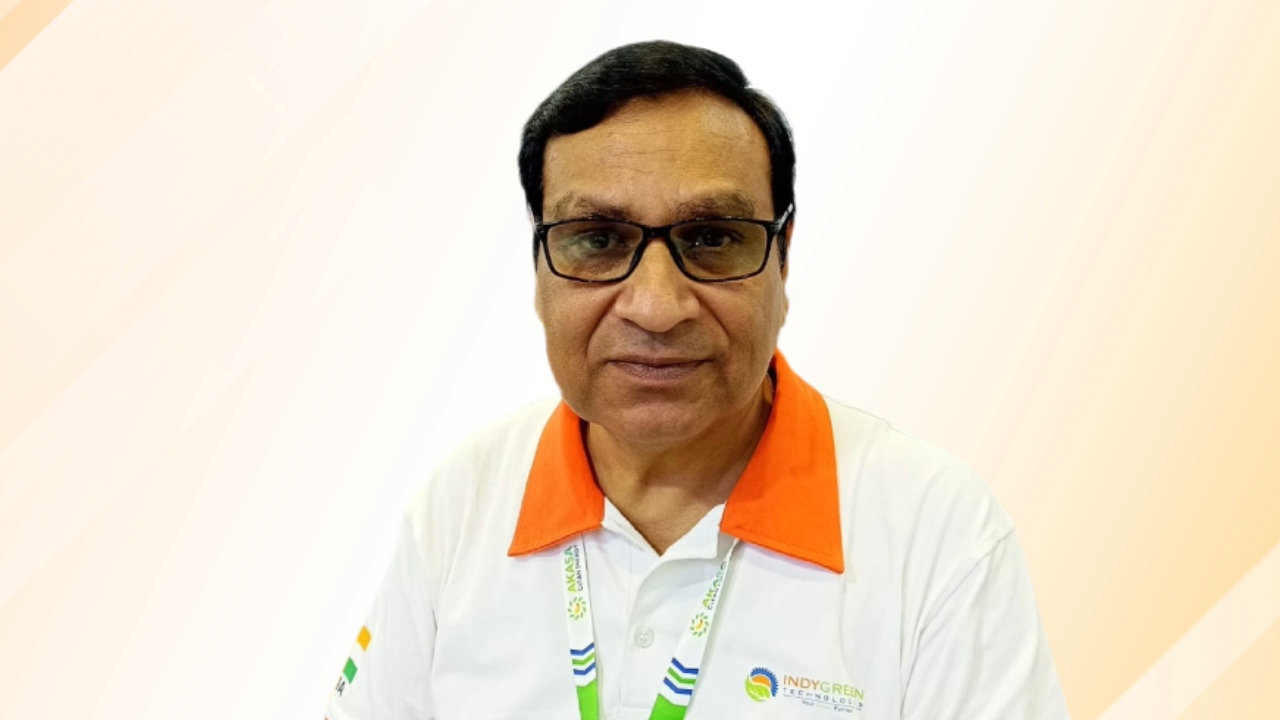
In an exclusive conversation with The Interview World at Paperex 2025, Ricky Chandra Khoe, Area Sales Manager, Industrial BU White at APP Indonesia, discusses the sustainable paper products the company manufactures, examines market responses to biodegradable materials, shares his perspective on India’s potential as a market, outlines the innovations APP plans to introduce over the next five to ten years, and explains the pricing strategy designed to accelerate the adoption of biodegradable products.
The key insights from this compelling discussion are summarized below.
Q: Could you elaborate on the types of sustainable paper products APP Indonesia manufactures for the food and beverage sector, and explain how these products differ from similar offerings in the market?
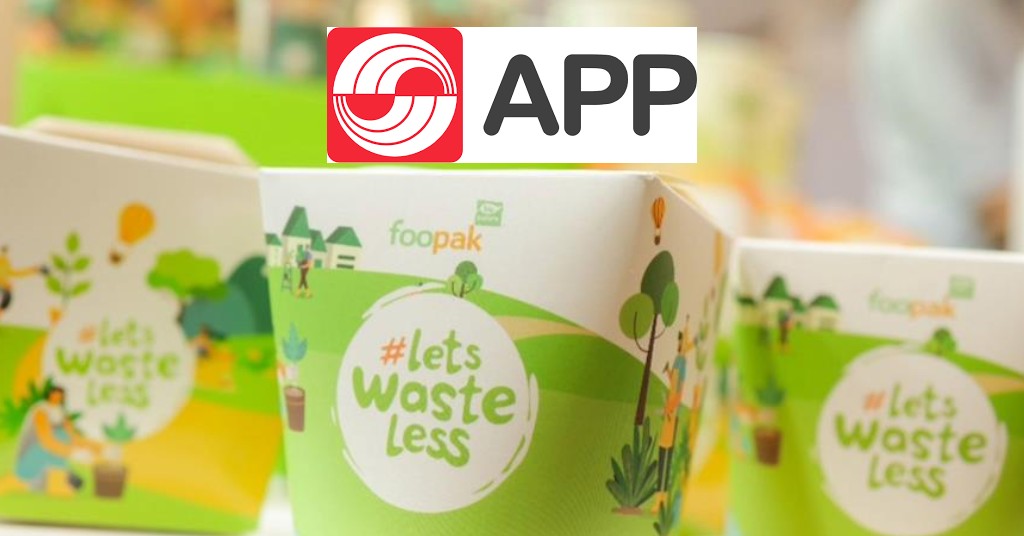
A: We have developed a product called Foopak Bio Natura, designed as a viable alternative to plastic at a time when many countries are imposing bans due to plastic’s harmful impact on people and the environment. To address this challenge, we created a biodegradable paperboard that uses less than 3% plastic, an amount so minimal that the material qualifies as home-compostable, industrial-compostable, and fully recyclable. As a result, Foopak Bio Natura offers a highly eco-friendly and sustainable solution.
Moving forward, we aim to expand the use of Foopak Bio Natura and accelerate the replacement of plastic across a wide range of applications.
Q: What kind of market response have you received for these biodegradable products across your global operations?
A: Initially, convincing consumers to shift to biodegradable materials is challenging because they are accustomed to the convenience and low cost of plastic. Nevertheless, it is our responsibility to introduce these alternatives to the market and educate people about their benefits. The transition is not immediate; it requires sustained effort and time. However, in the coming years, I believe consumers will increasingly recognize the dangers of plastic. As this awareness grows, their mindset will change, and they will adopt biodegradable paper, an essential step for protecting both humanity and the environment.
Q: How do you view India as a market for biodegradable paper solutions, given the country’s growing emphasis on promoting eco-friendly products?
A: We view India as an exceptionally large and promising market. As the world’s most populous country, India also records significant plastic consumption. In recent years, the government has taken important steps by attempting to restrict single-use plastics. Such policy support is essential because biodegradable products cannot gain widespread adoption without regulatory momentum.
Given India’s scale and influence, its leadership in promoting biodegradable alternatives can set a powerful precedent. If India accelerates the shift toward sustainable materials, many other countries are likely to follow.
Q: What innovations in the biodegradable segment are you planning to introduce over the next five to ten years?
A: At present, consumers primarily use biodegradable products for food packaging, especially for cups and lunch boxes. These applications are our initial focus because they come into direct contact with food, and therefore with the human body—making the reduction of plastic exposure particularly important. Over time, we may expand into additional categories such as broader box packaging, but for now, we are prioritizing products that people use every day in food-related settings. By starting where safety matters most, we aim to build trust and accelerate the shift toward healthier, more sustainable materials.
Q: What key pricing strategies would you like to develop for boosting the adoption of biodegradable products?
A: Pricing remains a challenge because producing biodegradable materials is not inexpensive, especially after years of research and development. For this reason, we are taking a gradual approach, educating consumers and helping them understand the long-term value of sustainable products. It mirrors the early days of mobile phones: initially expensive, yet widely adopted once people recognized their convenience. We believe a similar pattern will unfold with biodegradable materials as awareness grows and demand increases.