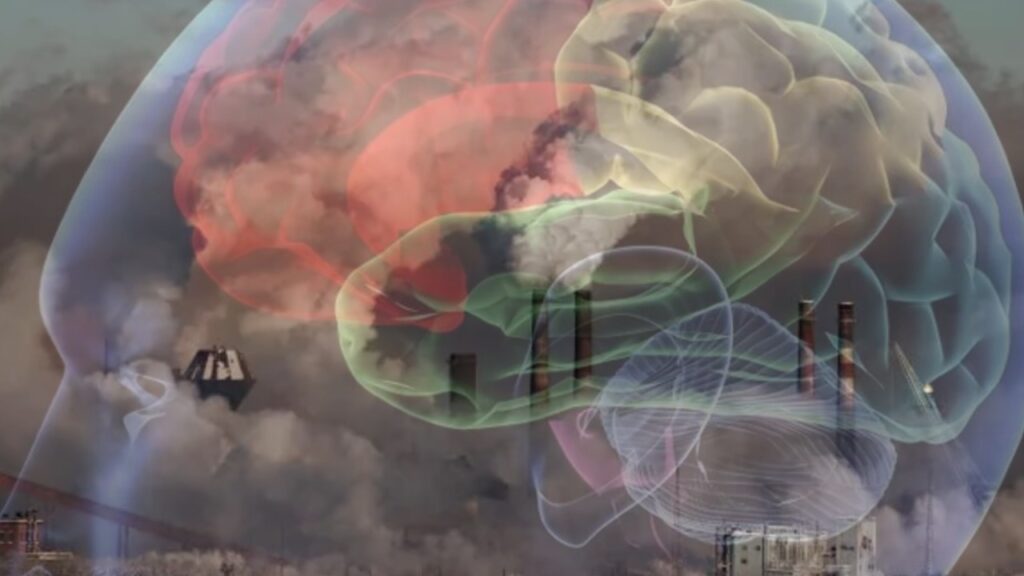


Air pollution is typically framed as a respiratory threat; however, its most damaging effects extend well beyond the lungs to the cardiovascular and neurological systems. A growing body of scientific evidence now establishes a clear link between prolonged exposure to polluted air and severe brain-related outcomes, including stroke, dementia, and progressive neurodegenerative disorders. Far from being an isolated environmental concern, air pollution has emerged as a silent but potent driver of cognitive decline and vascular injury.
In an exclusive interaction with The Interview World at the Conference on the Impact of Air Pollution on Health and Preventive Measures, organized by the Illness to Wellness Foundation (ITWF) in collaboration with FICCI, Dr. Atampreet Singh, Senior Director and Head of Neurology at ShardaCare–Healthcity, offered a comprehensive medical perspective on this escalating crisis. He explained how fine particulate matter and toxic gases penetrate the bloodstream, compromise vascular integrity, disrupt cardiac rhythms, and progressively impair brain structure and function.
Building on this, Dr. Singh detailed the biological mechanisms through which pollution accelerates atherosclerosis, alters cerebral blood flow, precipitates both ischemic and hemorrhagic strokes, and directly reduces grey matter while disturbing critical neurochemical pathways. He also underscored the lack of India-specific data, outlined practical protective measures for individuals, and highlighted seasonal pollution patterns that sharply elevate neurological risk.
What follows are the key insights from this incisive and timely discussion.
Q: What adverse effects does pollution have on mental health and cognitive functioning?
A: Air pollutants vary widely in both size and chemical composition. Fine particulate matter, particularly PM2.5, along with gaseous pollutants such as ozone, nitrous oxide, methane, and combustion byproducts, penetrates deep into the lungs. From there, these substances cross the alveolar membrane and enter the bloodstream directly.
Once pollutants circulate in the blood, they begin to injure the vascular endothelium, the inner lining of blood vessels. Because the vascular system is continuous and blood flows through it throughout life, even localized damage can initiate a systemic disease process. Specifically, endothelial injury triggers atherosclerosis, a progressive condition characterized by plaque formation within the vessel wall.
As atherosclerotic plaques enlarge, they narrow the vessel lumen and can suddenly obstruct blood flow. This process can occur in any vascular bed, including the brain, the heart, and other vital organs. When plaques obstruct cerebral vessels, they cause ischemic stroke by depriving brain tissue of oxygenated blood.
Simultaneously, air pollutants alter blood rheology. They increase blood viscosity and promote platelet aggregation, accelerating the formation of fresh thrombi. In vessels already stiffened and narrowed by plaques, these changes further elevate blood pressure. The combined effect places excessive strain on the cardiovascular system, significantly increasing the risk of myocardial infarction and stroke.
In addition, pollutants disrupt the heart’s electrical conductivity. This disruption can trigger cardiac arrhythmias, causing the heart to beat either too rapidly or too slowly. Rapid arrhythmias, in particular, promote clot formation within the heart, and these clots can embolize to the brain, resulting in ischemic stroke.
Collectively, these mechanisms, atherosclerosis, thrombosis, hypertension, and arrhythmias, account for a substantial proportion of pollution-related ischemic strokes, in which blood vessels become occluded.
However, pollution-related hypertension introduces another dangerous pathway. Elevated blood pressure weakens vessel walls and can lead to rupture, causing hemorrhagic stroke. In this case, bleeding within the brain, rather than blockage, produces neurological injury.
Beyond vascular effects, air pollution directly damages the brain itself. Chronic exposure is associated with a reduction in overall brain volume, particularly affecting grey matter. Grey matter plays a critical role in cognition, memory, and executive function. Its loss accelerates neurodegenerative processes and increases the risk of Alzheimer’s disease and other dementias.
Finally, pollutants disrupt key neurochemical pathways. They reduce dopamine levels, impairing motor control and neural signalling. This depletion contributes to Parkinson’s disease and other forms of neurodegeneration.
In sum, air pollution exerts a profound, multisystem impact, damaging blood vessels, destabilizing cardiac function, and accelerating brain degeneration, thereby substantially increasing the burden of cardiovascular and neurological disease.
Q: Have you come across any studies that examine the impact of pollution on the brain?
A: Relevant studies do exist in India. Institutions such as the Indian Council of Medical Research (ICMR) and AIIMS, New Delhi, have almost certainly generated data on the effects of air pollution on the brain and the heart. However, these findings need to be systematically identified, consolidated, and reviewed.
At present, most of the readily accessible literature originates from Western populations. While this body of evidence is robust, it does not fully capture the exposure patterns, pollution intensity, or population-specific vulnerabilities seen in India. Consequently, there is a clear need to locate and analyse Indian studies that directly examine the cardiovascular and neurological impact of pollution.
I will verify the available domestic research and cross-check institutional databases. Nonetheless, existing evidence, regardless of geography, consistently demonstrates that chronic exposure to high levels of air pollution leads to a wide range of serious and compounding health complications.
Q: What measures would you recommend for people to protect their health in such circumstances?
A: Limit outdoor exposure as much as possible, particularly during the early morning hours, when pollution levels tend to be highest. Avoid morning outings unless absolutely necessary.
When you must go outside, wear a high-quality mask equipped with an appropriate filter or valve. This ensures efficient airflow while reducing breathing resistance, thereby preventing discomfort, strain, or unnecessary physical tension.
In addition, maintain body warmth and stay well hydrated. Drink ample water throughout the day to support respiratory and overall physiological function.
As advised by doctors, incorporate simple preventive practices such as warm saltwater gargling and steam inhalation. Steam inhalation, in particular, helps loosen and clear inhaled pollutants from the respiratory tract and provides symptomatic relief to the chest.
Q: How serious is the current situation, and how are the data trends evolving over time?
A: The incidence of stroke rises markedly during the winter months. As winter sets in, multiple physiological systems become dysregulated, most notably blood pressure control. Hypertension, which may remain stable in warmer seasons, often worsens during cold weather.
At the same time, dietary patterns shift unfavourably. People tend to consume heavier, fat-rich foods, including fried preparations, parathas, and dishes cooked with excess oil or ghee. This increased fat intake further stresses the cardiovascular system.
Physical activity also declines sharply. Cold weather discourages regular walking, leading to prolonged sedentary behaviour. As activity levels drop, body fat increases and metabolic balance deteriorates. Under normal conditions, sustained walking helps lower blood pressure, often bringing it well within or even below optimal ranges. In winter, however, this protective effect is lost.
The combined impact of poor blood pressure control, high-fat diets, and reduced physical activity creates a dangerous convergence of risk factors. In vulnerable individuals, this convergence can escalate rapidly and, in some cases, precipitate an acute medical emergency such as stroke.