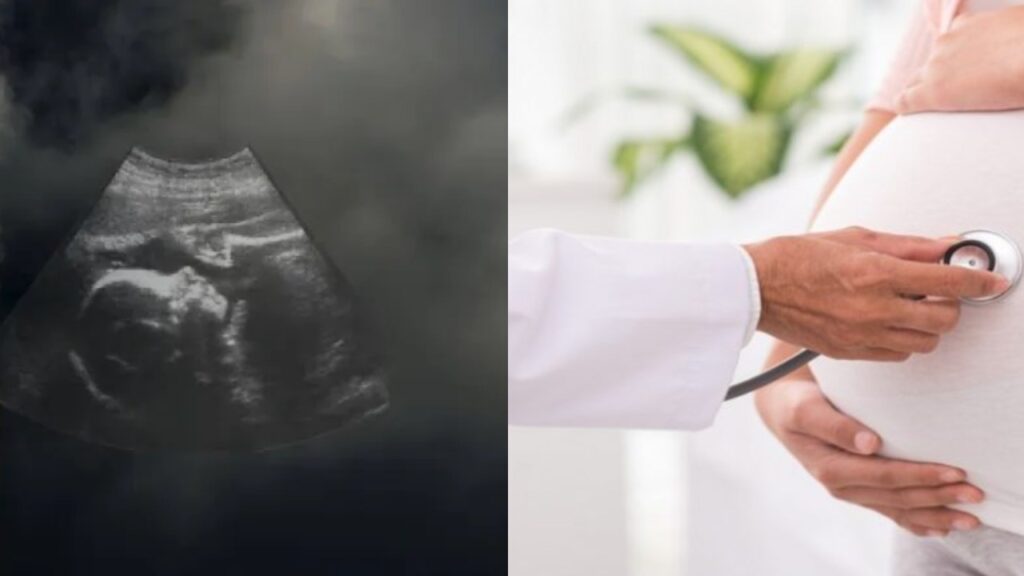


Air pollution has become a critical public health threat, with particularly severe implications for maternal and neonatal health. Exposure to high concentrations of pollutants places pregnant women at a significantly increased risk of hypertension, pre-eclampsia, and placental abruption—conditions that can rapidly escalate into life-threatening emergencies for both mother and fetus. Moreover, these risks do not end with childbirth. Instead, they often persist into the postpartum period, heightening vulnerability to complications such as depression and long-term cardiovascular stress. For the developing fetus, polluted air compromises oxygen delivery and interferes with growth, brain development, and respiratory maturation, thereby increasing the likelihood of preterm birth and enduring developmental and respiratory disorders.
At the same time, air pollution exerts a measurable toll on reproductive health, reducing fertility, prolonging time to conception, and diminishing the success rates of assisted reproductive technologies, including in vitro fertilization. Consequently, mitigating these risks demands coordinated action—both systemic interventions to curb emissions and individual measures such as monitoring air quality and using air purification technologies.
Against this backdrop, The Interview World engaged in a focused discussion with Padma Shri Dr. Malvika Sabharwal, Chief Gynaecologist and Obstetrician at Jeewan Mala Hospital and Founder Chairperson of the Indian Academy of Gynaecological Endoscopists (IAGE). The conversation took place during the Conference on the Impact of Air Pollution on Health and Preventive Measures, organized by the Illness to Wellness Foundation (ITWF) in collaboration with FICCI.
In an incisive and wide-ranging exchange, Dr. Sabharwal articulated the complex ways in which air pollution undermines maternal health, neonatal outcomes, and reproductive potential. She also explained its effects on fertility and conception, while outlining practical strategies to safeguard young women and newborns in highly polluted environments. Importantly, she emphasized the role of air purifiers for women planning to conceive under such conditions. Presented below are the key insights from her compelling discussion.
Q: What are the potential adverse effects of air pollution on maternal health and neonatal outcomes?
A: In environments with high air pollution, pregnant women face a significant risk of developing high blood pressure. Elevated blood pressure can trigger pre-eclampsia, a serious condition that endangers both the mother and the fetus. Pre-eclampsia reduces blood flow to the baby, affects the mother’s organs, and can impair brain function. In many cases, it necessitates early delivery to safeguard the mother and child.
Additionally, high pollution exposure increases the risk of placental abruption. In this condition, an inflamed placenta detaches from the uterus, causing severe bleeding and often forcing the termination of pregnancy. Following delivery, mothers are also more susceptible to postpartum depression, and studies indicate that its incidence rises in polluted environments.
The impact extends to the fetus as well. Babies in utero may experience growth retardation, which can have lasting effects on their development. Pollutants can impair oxygen supply, affecting the brain and respiratory function, and increasing the likelihood of premature birth. Consequently, these children often face developmental challenges that persist beyond the neonatal period.
Q: How does air pollution affect fertility and conception, and what is your perspective on this relationship?
A: Air pollution significantly impacts fertility. Couples trying to conceive often take longer to achieve pregnancy. Even with medical interventions, such as fertility treatments, the time required for conception increases in polluted environments. The interval between treatment and successful pregnancy is often extended, making the process more challenging.
Moreover, the success of assisted reproductive technologies, such as in vitro fertilization (IVF), is also compromised. Studies indicate that IVF outcomes are less favourable in areas with high air pollution compared to cleaner environments. This effect underscores the broader reproductive risks posed by environmental pollution.
Q: What strategies can be implemented to protect the health of young women and newborns in environments with high air pollution?
A: First and foremost, everyone must be aware of the critical need to reduce pollution. Society as a whole should recognize that even small, everyday actions can contribute to controlling the environment and lowering pollution levels. Each individual must take responsibility and make consistent efforts, understanding that change takes time. However, when these efforts are combined, they produce a meaningful and lasting impact.
Q: Would you recommend the use of air purifiers for women planning to conceive in environments with high air pollution?
A: Pregnant women should remain in a controlled environment without compromise. Outdoor activities, including morning walks, should be carefully managed. Before stepping outside, they must check the Air Quality Index (AQI), which is easily accessible through smartphone apps. Monitoring AQI allows them to avoid exposure when pollution levels are high.
Air purifiers can play a critical role, but their effectiveness depends on proper use. Filters must be of the correct quality, regularly cleaned, and specifically designed for particulate matter, such as HEPA filters. When using an air purifier, the environment must remain closed. Open windows can negate its benefits. When applied correctly, air purifiers significantly improve indoor air quality and protect both mother and baby.