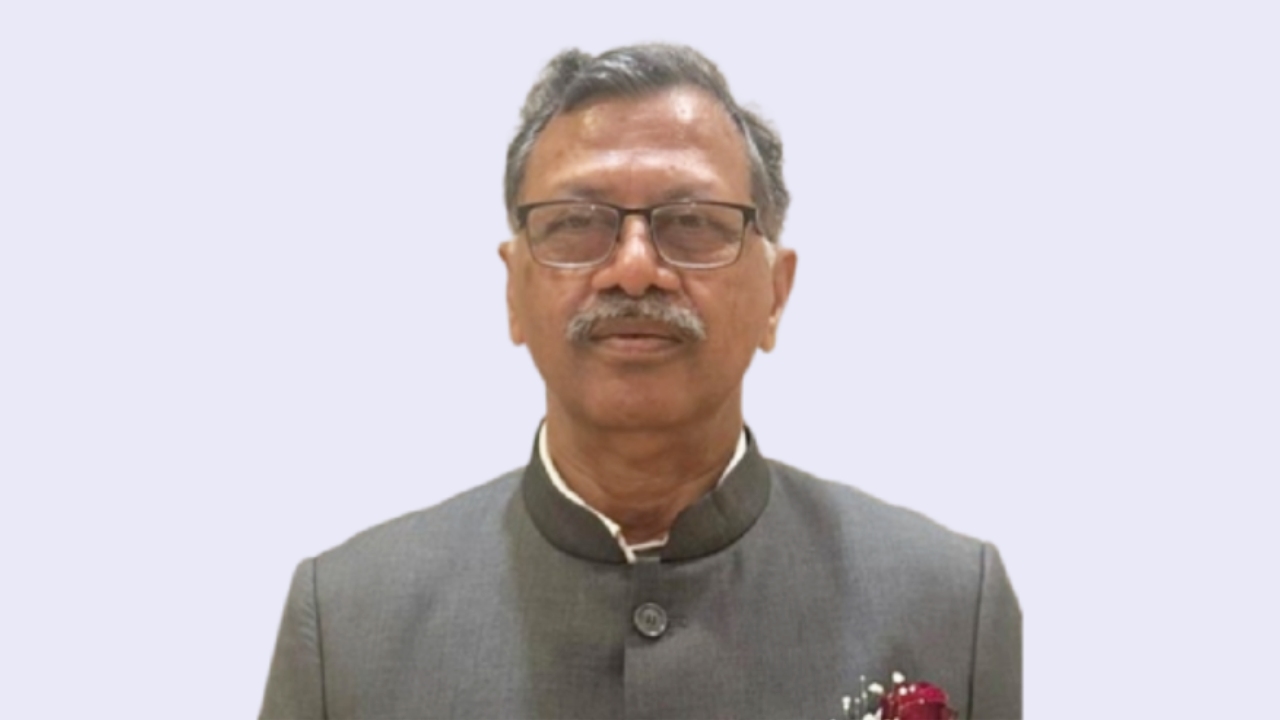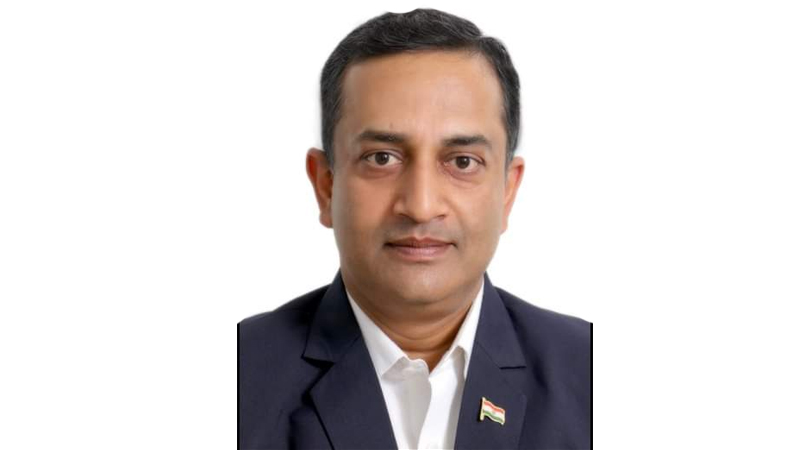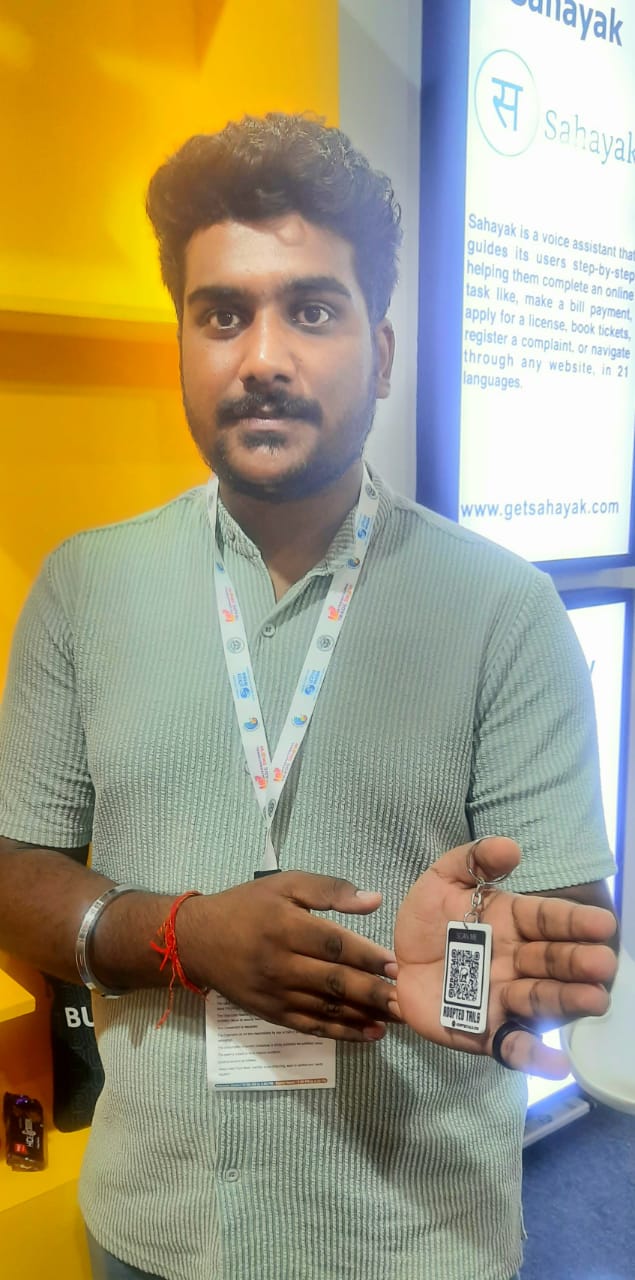


Secure Parking commands a central position in India’s mobility and infrastructure landscape, leveraging more than four decades of global expertise to manage, modernize, and elevate parking assets nationwide. Operating in more than 35 cities with a portfolio of approximately 275,000 bays, the company orchestrates over 7.5 million vehicle movements each month, an operational cadence that underscores its precision, discipline, and expansive ambition.
A 5,000-member workforce powers a comprehensive suite of capabilities, spanning advisory, design, and high-performance, technology-enabled operations. Through its SecureTech division, the company deploys automated platforms, frictionless access technologies, and advanced smart-parking intelligence that enhance user experience while strengthening asset efficiency and profitability.
At its core, Secure Parking applies a retail-driven operating philosophy: every car park is treated as a customer-centric business engineered to optimize revenue, streamline operations, and deliver consistent satisfaction. This approach produces a parking experience that is organized, seamless, and professionally executed at every touchpoint.
In an exclusive discussion with The Interview World at the FICCI Urban Transportation Conclave 2025, Arvind Mayar, CEO of Secure Parking, emphasized the pivotal role of structured parking infrastructure in major metros. He outlined the company’s differentiated value proposition for car owners, evaluated the growth trajectory of India’s organized parking sector, detailed the company’s recent contract for Jewar Airport, projected the future of integrated parking-and-charging ecosystems, and delineated how Secure Parking sets itself apart from conventional local body parking facilities.
The following are the essential insights from this substantive conversation.
Q: How does the car parking infrastructure influence overall urban mobility outcomes in major metro cities such as Delhi and Mumbai?
A: As car ownership continues to rise, the demand for reliable parking becomes unavoidable. A vehicle spends only one or two hours a day on the road; the rest of its lifecycle is spent parked. Consequently, every journey ultimately depends on the availability of a suitable parking space. Wherever people travel, they must be able to park. Parking, therefore, sits at the very core of urban mobility. Without accessible parking infrastructure, the simple act of driving becomes unsustainable.
Q: In a market where parking management remains largely unstructured, what differentiated value does Secure Parking bring to transform this space?
A: We operate parking facilities across malls, offices, airports, and private developments. In these environments, two priorities define our approach. First is customer convenience. Roadside parking rarely delivers a positive experience, cars are pushed and squeezed, the process is chaotic, and the environment is often unsafe or unpleasant. In contrast, every facility we manage ensures smooth access, efficient exits, fast and simple payment, and a clean, well-maintained environment. We prioritize safety for women and children, provide strong lighting and proper ventilation, and maintain consistently high operating standards. As a result, parking becomes not just manageable but genuinely acceptable, even in high-traffic locations.
Consider the difficulty of parking at a railway station, a bus stop, or bustling markets such as Sarojini Nagar. These challenges are familiar to every urban commuter. The value we deliver lies in transforming that experience—making parking predictable, orderly, and significantly more user-friendly.
Q: How do you assess the growth trajectory of organized car parking in India?
A: The organized parking segment will expand rapidly as customers become increasingly aware of the importance of a quality parking experience. They no longer tolerate poorly managed or substandard facilities. As this expectation strengthens, the sector is positioned to sustain robust annual growth of 20 to 30 percent.
Q: You recently secured the parking management contract for Jewar Airport. What is the scale of the facility?
A: The development is unfolding in distinct phases. The first phase includes approximately 1,000 parking bays. As the project scales and ridership increases, the capacity will expand accordingly, with additional parking added to meet rising demand.
Q: With EV adoption accelerating across India, how do you envision integrated parking-and-charging infrastructure transforming the future of parking?
A: Not all car parks are required to include dedicated bays for EV charging. However, when we design a facility, we ensure that the layout provides sufficient space to accommodate future charging needs. We also coordinate closely with OEM charging-equipment suppliers so they can install the necessary infrastructure efficiently and without disruption.
Q: Do you face competitive pressure from parking facilities operated by local government bodies?
A: No. We typically do not compete with local bodies because they operate at very low cost and offer a significantly lower-quality experience. Our operating model is different. Our costs are higher because we deliver a premium, service-led environment that local body facilities do not provide. As a result, we serve an entirely different segment of the market, one that values safety, efficiency, and a superior parking experience.