
Pakka Limited stands as a sustainability pioneer with the confidence of a legacy brand reinventing itself for the future. Founded in 1981 as Yash Papers, it has evolved from a small-town paper mill into a global leader in planet-positive packaging.
Today, Pakka engineers high-performance, compostable materials, from agro-pulp and flexible packaging to its flagship CHUK range of moulded tableware. Every product serves one bold mission: eliminate waste without compromising function or aesthetics.
The company powers its operations entirely with biomass energy, recovers nearly all its chemicals, sources locally, and designs with a circular mindset. Here, sustainability isn’t a slogan; it is a disciplined, measurable, and relentless practice.
In 2023, the company shed its former name and embraced its new identity, Pakka, signalling a confident stride into global markets. The brand now exemplifies how purposeful innovation can redefine an entire industry.
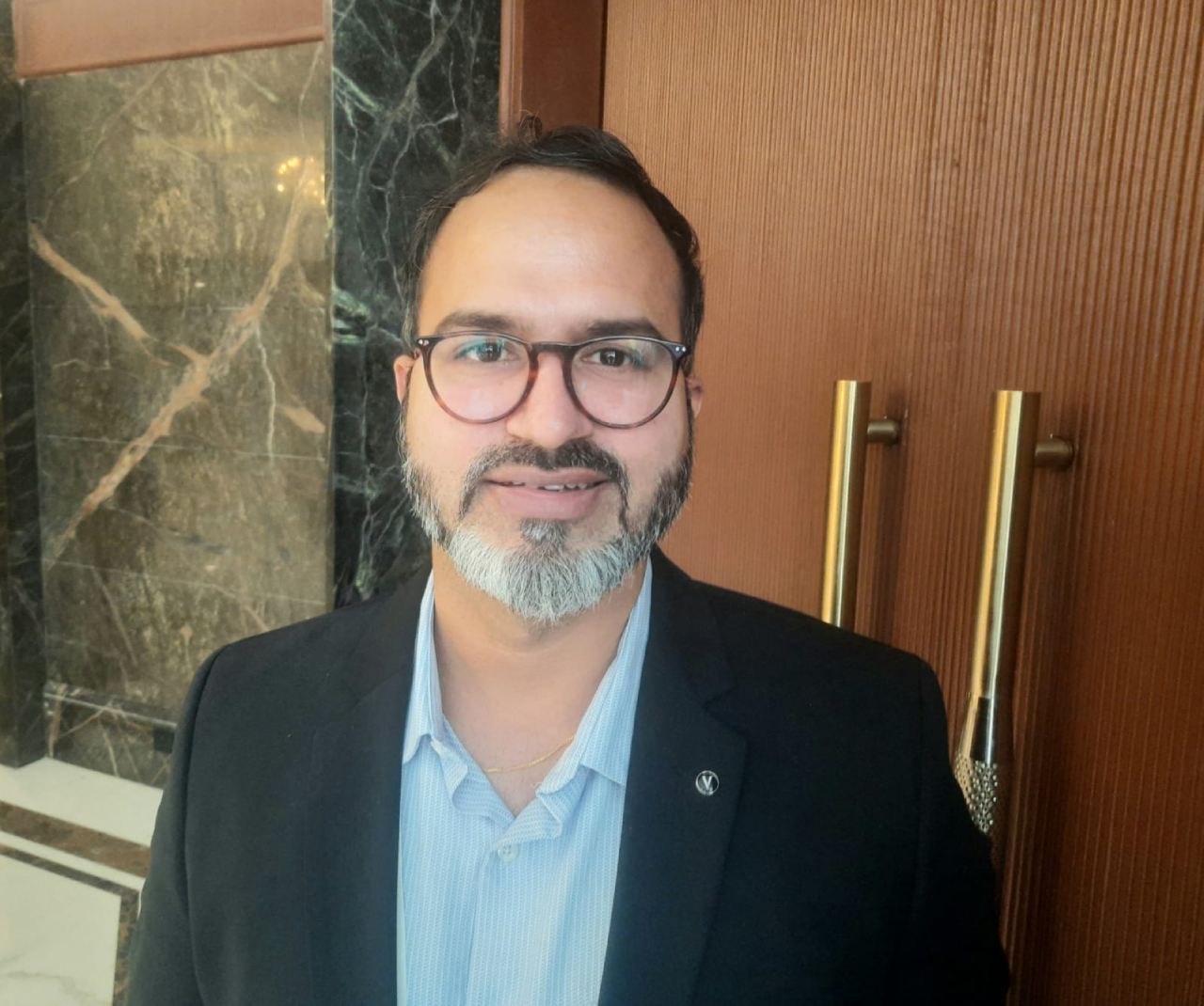
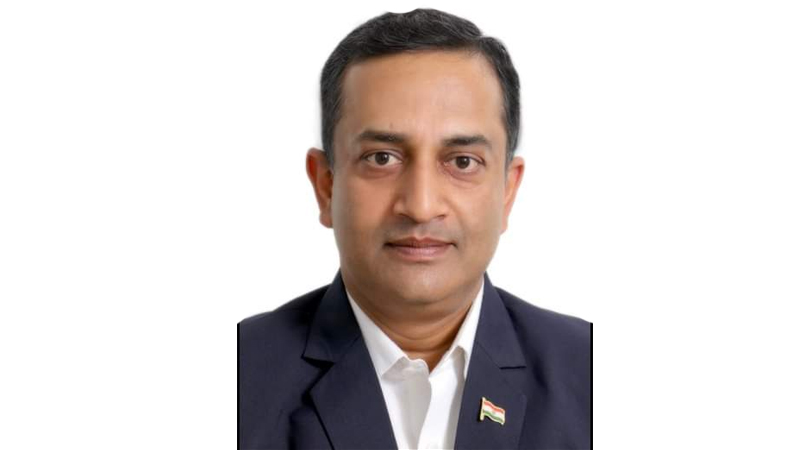
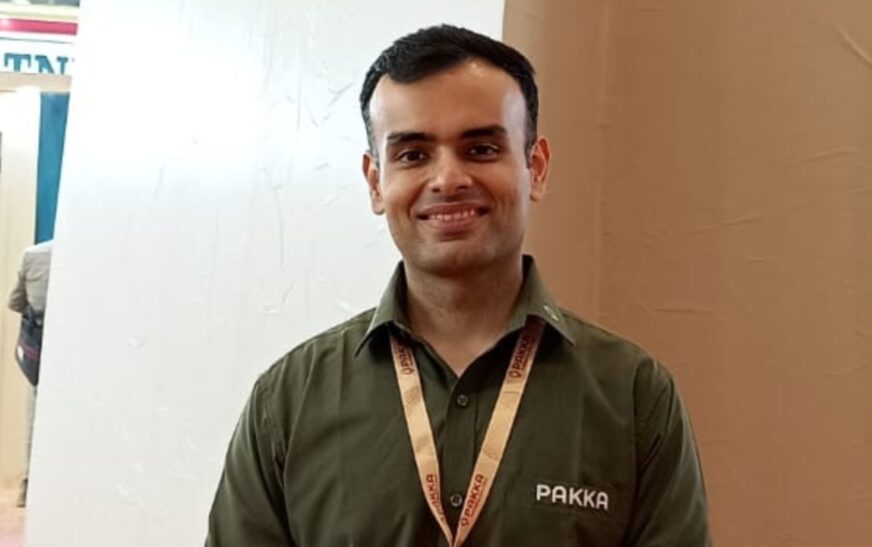
At Paperex 2025, in an exclusive conversation with The Interview World, Pranay Pasricha, Brand and Marketing Head at Pakka Ltd., expands on the company’s paper and packaging portfolio, outlines the sustainability attributes of its products, explains their compostable nature and timelines, compares the pricing of bio-waste-based materials with virgin raw-material products, and shares his vision for upcoming launches.
The following are the key insights from his compelling discussion.
Q: Could you provide an overview of your paper and packaging product portfolio and elaborate on the sustainability of these products?
A: The sole purpose of Pakka’s existence is to create a cleaner planet, and we pursue that mission through every product we make. Our portfolio spans three verticals. First, we offer paper solutions for food wrapping and carrying. Next, we provide flexible, multi-layered packaging and its sustainable alternatives. Finally, we serve the food-service segment with moulded plates, tableware, bowls, and containers.
All these products come from sugarcane agricultural residue—bagasse—and we currently manufacture nearly 50,000 tonnes a year at our Ayodhya facility. Major QSR brands, including Haldiram’s and Bikanervala, already rely on our solutions, and we continue to explore new applications across sectors.
One of our most significant innovations is in flexible packaging. Our new brand, flexC, ‘C’ for compostable, is the world’s first compostable material designed specifically for multi-layered packaging. This category has long been one of the biggest pain points in the waste ecosystem because it cannot be effectively recycled. We have created a viable, planet-positive alternative.
Importantly, all our products follow four non-negotiable principles: they are compostable and home-compostable, marine-safe, terrestrial-safe, and recyclable within the paper stream. These principles guide every material we design.
Q: What is the estimated timeframe for these products to completely break down under composting conditions?
A: Our products reach a fully composted state in about 180 days. We design them to be home-compostable because India lacks widespread industrial composting infrastructure. In industrial settings, the same products can break down in as little as a month.
However, by making everything home-compostable, we ensure that even if you simply leave the product in your backyard, it will convert into compost within 180 days. And if it ends up in a landfill, it will still biodegrade. The process may take longer and release some methane, but it will not leave behind waste. It ultimately returns to the earth, cleanly, completely, and without residue.
Q: As you convert bio-waste such as sugarcane residue into sustainable paper products, could you share how your pricing compares to products made from virgin raw materials?
A: We don’t frame this as a cost; we see it as an investment, both for our customers and for the consumers they serve. Yes, when compared with traditional multi-layered packaging, plastics, or other conventional materials, our solutions are typically 20–30 percent more expensive. But that difference is marginal when weighed against the health and safety benefits they deliver.
We make a deliberate choice to keep every product completely toxin-free and food-safe. Even recycled paper, though sustainable, often fails food-safety standards because it contains residues from inks, scents, and dyes. That’s why all our paper, and every moulded product we manufacture, is certified food-safe by design.
For conscious brands, the price difference is not a deterrent. They recognize that safe materials, healthier consumers, and responsible packaging ultimately offer far greater value than the short-term savings of unsustainable alternatives.
Q: Could you share your vision for new product launches over the next five to ten years?
A: One of our newest launches is flexC. Within this line, we currently offer a metallized multi-layer structure. However, our goal is to eliminate the metal layer entirely and move to a fully non-metallized substrate. This shift will ensure the material biodegrades completely without leaving any metal residue during composting.
We are also advancing the development of non-metallized, barrier-coated flexible packaging. In parallel, we are creating greaseproof paper. To accelerate this, we have invested in PEC and expanded our facilities, where we will produce both greaseproof and barrier-coated papers.
In the food-service category, we are preparing to launch fully leak-proof delivery containers designed to replace conventional plastic options. Across all three verticals, these upcoming products represent our next wave of sustainable innovation.