India’s healthcare system is undergoing rapid transformation, and medical insurance now stands at the center of this change, both as a lifeline and a challenge. What once covered only acute hospitalizations has steadily expanded to include outpatient consultations, diagnostic tests, preventive screenings, and even wellness programs. However, these gains often collide with ground realities: patients and families still struggle to navigate opaque processes, inconsistent protocols, and fragmented responsibilities shared between insurers, hospitals, and regulators.
In contrast, developed countries have built insurance ecosystems around standardized guidelines that streamline care and foster trust. India, meanwhile, continues to grapple with mistrust, manipulation, and weak enforcement, leaving its citizens vulnerable. This gap underscores an urgent need for holistic, transparent, and collaborative approaches that unite payers, providers, and patients.
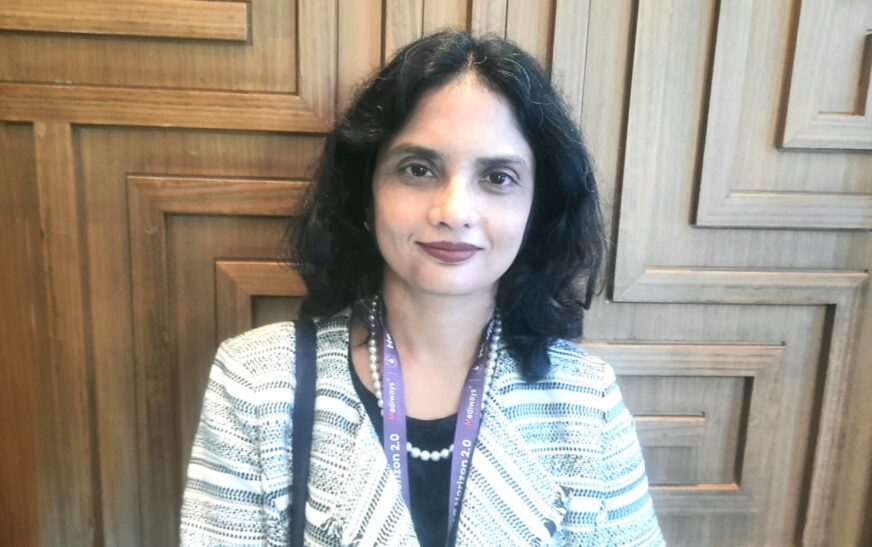
Against this backdrop, The Interview World engaged in an exclusive conversation with Dr. Chandrika Kambam, Medical Advisor and Physician at Even Hospitals, during Healthcare Horizon 2025, hosted by Mediways Foundation and OSVI Healthcare. Dr. Kambam shed light on innovative insurance products, preventive care models, and regulatory reforms. She emphasized that collaboration among stakeholders is not merely desirable but essential to reshape India’s insurance ecosystem and make healthcare more accessible, affordable, and trustworthy.
Here are the most compelling insights from her conversation.
Q: Medical insurance is playing an increasingly pivotal role in healthcare worldwide. How do you see the landscape of medical insurance evolving in India in the coming years?
A: Health insurance in India has come a long way. Once limited to covering only acute hospitalization, it now extends far beyond emergency care. The industry is evolving rapidly, with innovative players like Even Healthcare leading the change. At Even, we collaborate closely with insurers to design products that address the full spectrum of patient needs.
These new products cover outpatient consultations and diagnostics, ensuring patients receive support not just during hospital stays but also in everyday care. More importantly, we are advancing preventive health. We actively encourage individuals to undergo regular screenings for cancer, diabetes, hypertension, and other non-communicable diseases. By shifting the focus from treatment to prevention, health insurance is beginning to play a far more proactive and transformative role.
In the long run, this approach will not only improve health outcomes but also significantly reduce the overall cost of care.
Q: What innovative insurance products have been introduced in developed countries, and which of these are already available in India? What new products should be considered for introduction to the Indian market?
A: Two fundamental imperatives define the future of health insurance. First, the three pillars of the ecosystem, payers (insurers), providers (hospitals), and patients, must work together in a truly collaborative manner. Today, each operates in silos, often disconnected from the others. Breaking this pattern is essential. Collaboration and transparency must guide every interaction.
Insurers, for instance, need to broaden their role. Coverage cannot remain confined to illness and hospitalization; it must also extend to outpatient care and preventive health. Hospitals, on their part, must commit to evidence-based practices. They should adopt transparent protocols, prioritize patient-centric decisions, and ensure the right care is delivered at the right time. Equally important, providers must take responsibility for costs, ensuring that treatment remains both ethical and affordable.
Only when all three corners of the system align can India build a trustworthy, efficient, and patient-first insurance ecosystem.
Q: Insurance realization in India remains complex and stressful for patients’ families. Based on your global experience, why is it smoother abroad and difficult here?
A: The challenge stems from the fact that India’s healthcare systems and processes are still evolving. In Western countries, insurance is widely standardized, covering almost every aspect of care, albeit with co-pays, limitations, and caps. In India, however, the framework remains fragmented. Guidelines are inconsistent, and no central authority governs clinical practice.
For instance, if a patient presents with a specific condition, there are no uniform national protocols dictating the exact steps or treatment modalities. Hospitals and doctors often follow individual approaches, making coverage decisions difficult for insurers. Standardizing treatment protocols at the national level, and establishing a governing body to oversee clinical practice, would change this dynamic. Deviations from guidelines could be documented and justified, ensuring accountability while preserving clinical judgment.
With such a system, insurers could more confidently cover care, and patients would better understand what is included. Ultimately, this would reduce confusion, streamline processes, and eliminate the constant back-and-forth that currently burdens both providers and patients.
Q: Why is it challenging to implement medical standards and guidelines in India and ensure their transparent execution across the healthcare system?
A: The problem lies in enforcement. Guidelines exist, but without accountability, no one compels practitioners to follow them. Effective regulation must come from a central authority, be it the regulator, the Quality Council, or another governing body.
Take the UK as an example. The NICE guidelines provide clear, standardized protocols that all healthcare providers follow. If the guidelines recommend a particular course of action, clinicians implement it; if they advise against it, they refrain.
At the same time, some flexibility is essential. Each patient presents unique circumstances, and deviations may be necessary. However, these exceptions must be properly documented and justified. By combining structured enforcement with thoughtful clinical discretion, India can ensure both consistency in care and respect for individualized patient needs.
Q: Insurance in India is often manipulated by patients, hospitals, or insurers, eroding trust. In such cases, what steps are needed to restore transparency and trust?
A: This is why we are promoting what we call the pay-provider model. At Even Healthcare, we function as both payer and provider. As payers, we collaborate closely with insurance companies to ensure costs are managed responsibly. Their success directly benefits us, creating a shared interest in efficiency.
As providers, we deliver value-based care, focusing on the right treatment for the patient at the right time. We measure value not just by cost, but by the quality of clinical outcomes. Balancing these priorities is critical.
Even Healthcare acts as a bridge between payers and providers, with “skin in the game” on both sides. Our goal is to achieve the best outcomes for patients while ensuring insurers’ interests are protected. This integrated model helps eliminate mistrust and discourages practices where only one stakeholder benefits. By aligning incentives, we create a system that serves everyone fairly and transparently.
Q: What solutions do you suggest to bring common people of India under the insurance net to ensure better access to healthcare?
A: Choose a health insurance product that is truly holistic, covering outpatient care, inpatient treatment, home care, rehabilitation, and telehealth. It is essential to select a plan that addresses every aspect of care and commit to it over the long term. Frequent switching undermines the benefits of insurance, which typically operates on a multi-year basis.
In the initial years, restrictions and waiting periods are standard measures to prevent fraud and ensure sustainability. These regulations are in place to protect both insurers and policyholders. By maintaining a consistent plan over time, most conditions and treatments eventually fall under coverage, maximizing the value of your policy.
In short, focus on a comprehensive product and stay with it. Longevity in your plan ensures broader coverage, better protection, and true peace of mind.