

India’s heavy reliance on imported edible oil has long posed both strategic and economic challenges. The launch of the Indian Oilseed Mission marks a bold and timely move by the government to secure self-sufficiency in edible oil within the next seven years. This mission’s success, however, hinges on more than ambition; it demands sustained funding, coherent policies, and seamless collaboration between the public and private sectors. Equally vital are the dynamics of global trade, advances in domestic oilseed research, and the delicate balance between immediate costs and long-term sustainability.
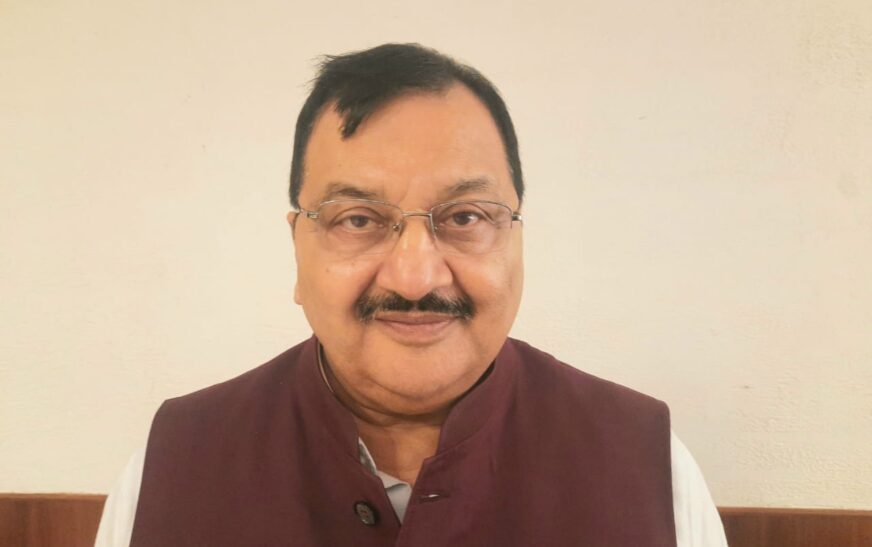
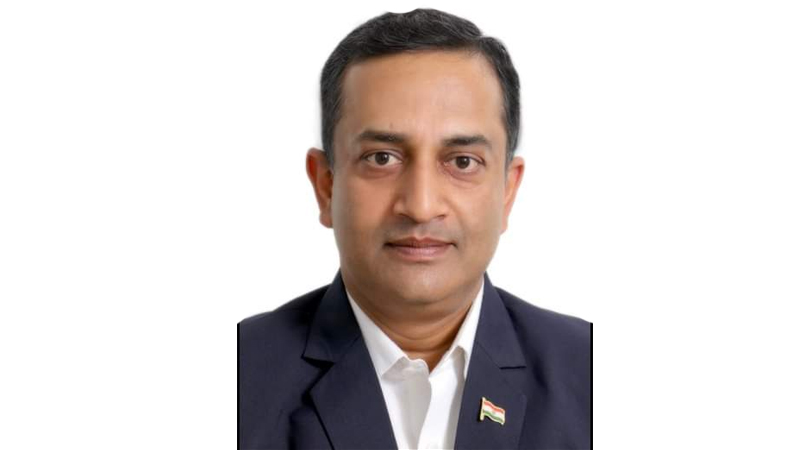
In an exclusive interview with The Interview World during the High-Level Policy Dialogue on “Navigating India’s Policy Landscape in the Edible Oil Sector,” hosted by ASSOCHAM, Atul Chaturvedi, Special Advisor to The Solvent Extractors’ Association of India and Chairman of the Asian Palm Oil Alliance, offers deep insights into this transformative initiative. He outlines the mission’s vast potential, urges decisive government action to cut import dependence and strengthen self-reliance, examines strategies to mitigate global market volatility, and underscores the game-changing role of innovation and research in reshaping India’s edible oil landscape.
Here are the key takeaways from his incisive conversation.
Q: What potential does the Indian Oilseed Mission hold for making India self-sufficient in edible oils within the next seven years?
A: The Indian Oilseed Mission is indeed a welcome and long-awaited decision. For years, the industry has urged the government to launch such an initiative, recognizing its strategic importance for national self-reliance. Now that the mission is finally underway, the next crucial step is ensuring it receives adequate funding. Without sufficient financial backing, even the best-intentioned policy will fail to make an impact.
One practical approach we recommend is to raise the import duty on edible oils by about 10% and channel that additional revenue directly into oilseed development programs. While this measure may cause short-term discomfort for consumers, it represents a necessary investment in the nation’s long-term self-sufficiency. In the end, the temporary sacrifice will yield enduring benefits: strengthening domestic production, reducing import dependence, and securing India’s edible oil future.
Q: What key measures should the Indian government implement to reduce edible oil imports and ensure self-reliance in domestic production?
A: There is no compelling reason to focus solely on reducing edible oil imports. In fact, when we examine India’s consumption patterns, our per capita intake remains relatively modest compared to many developed nations, and even lower than that of China and Pakistan. It wouldn’t be surprising if our consumption levels were below Bangladesh’s as well.
Therefore, instead of fixating on cutting imports, our priority should be to ensure that every increment in future demand is met through domestic oilseed production. This requires a determined and large-scale push for oilseed cultivation across the country. In this regard, the government has taken the right step with the launch of the National Oilseed Mission. However, for this initiative to create real impact, it must be backed by substantial and sustained funding.
Q: How are geopolitical tensions and global trade volatility likely to impact the edible oil market?
A: Volatility in the global edible oil market is inevitable, and India must learn to navigate it rather than wish it away. A key emerging challenge lies in Indonesia’s plan to implement B50, a policy mandating 50% blending of palm oil with diesel. This move will significantly reduce Indonesia’s palm oil exports, tightening global supply and pushing edible oil prices higher.
India, therefore, must remain alert and proactive. One pragmatic strategy could be exploring a bilateral or government-to-government (G2G) agreement with Indonesia. The logic is simple: Indonesia needs rice, and India needs edible oil. A well-structured trade arrangement could help both nations meet their strategic needs. Although G2G deals often face commercial hurdles, India must find an effective mechanism to ensure its edible oil security in the face of rising global uncertainty.
Q: What future research initiatives are being planned by the private sector or your association to strengthen India’s edible oil industry?
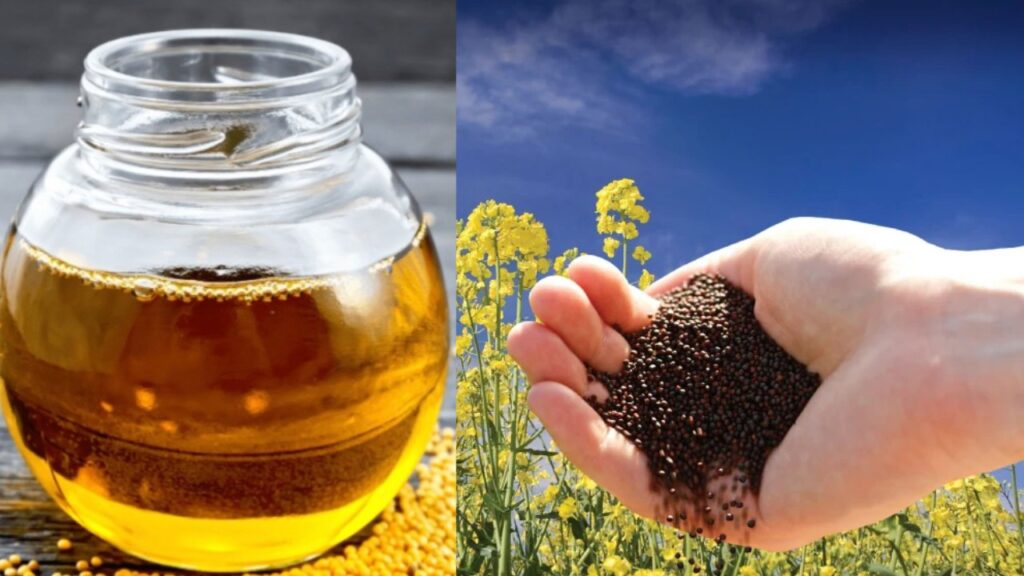
A: The Solvent Extractors’ Association of India (SEA) has been investing substantial resources to promote mustard cultivation across the country. Recently, AWL Agri Business, formerly Adani Wilmar, has made a significant commitment toward developing India’s mustard sector, reinforcing this collective effort. At the same time, SEA is actively supporting initiatives to boost castor cultivation as well.
However, private-sector efforts alone can only move the needle so far. To achieve transformative results, the government and industry must work in close partnership. Only through such collaboration can India scale these initiatives, unlock their full potential, and drive game-changing progress in the edible oil sector.





1 Comment
Thank you for sharing this! I really enjoyed reading your perspective.
Comments are closed.