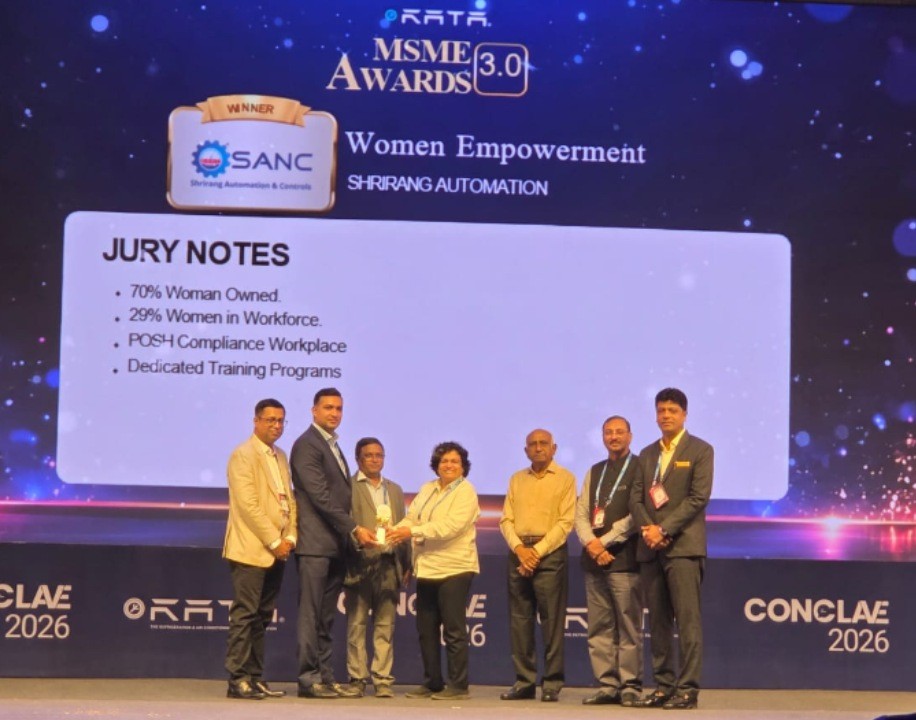

Shrirang Automation and Controls Pvt. Ltd. (SANC) is an Indian company specialising in industrial automation, instrumentation and electrical control panels. Based in Sachin, Surat, Gujarat, the company serves customers across India. Its portfolio includes power control, motor control, programmable logic controller (PLC) and variable frequency drive (VFD) panels. SANC also manufactures CPRI-approved control panels and provides calibration, installation and commissioning services.
The company partners with established global brands, including DwyerOmega, AMETEK Level Measurement Solutions and Evikon. Its solutions support industries such as pharmaceuticals, oil and gas, manufacturing, heating, ventilation, air conditioning and refrigeration (HVACR), and building management systems (BMS). SANC emphasises product quality, operational safety, dependable service and customer satisfaction.
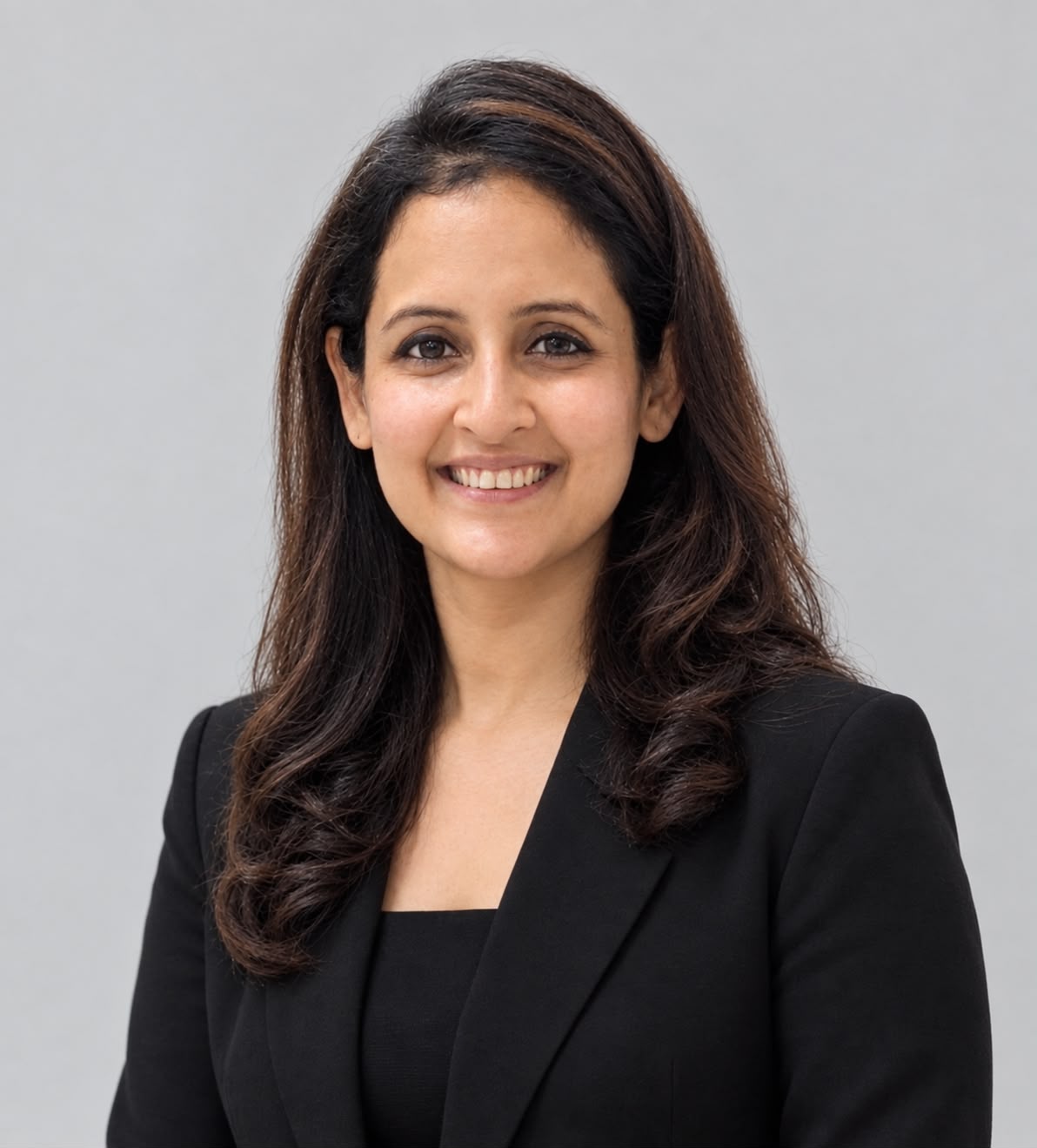
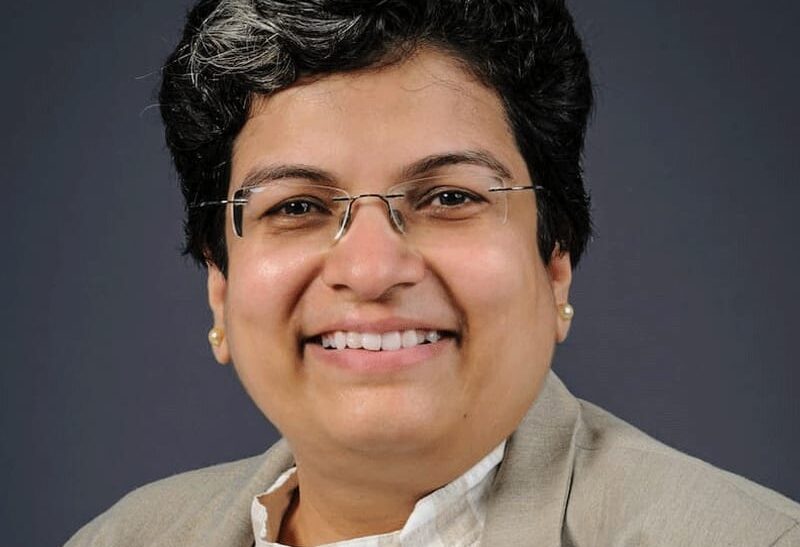
In an exclusive conversation with The Interview World, Viju Bukate, Director of Shrirang Automation and Controls Pvt. Ltd., discusses the company’s growth indicators, customer trust and strategic transformation. She explains how SANC established credibility while building its market presence. She also shares a pivotal business decision and outlines her vision for the company’s next growth phase.
Here are the key takeaways from the conversation.
Q: What key indicators demonstrate SANC’s success in industrial manufacturing, including project delivery, customer retention, product portfolio expansion, production capacity and revenue growth?
A: SANC has built its reputation on technical reliability, responsive service and enduring customer relationships. Our growth spans three complementary business verticals: HVACR sensors and controls, process instrumentation, and electrical panel manufacturing.
Our HVACR portfolio includes temperature, relative humidity, pressure, differential pressure and carbon monoxide (CO) sensing solutions. Our process instrumentation business covers sensors, transmitters, flow measurement and other industrial measurement technologies. Meanwhile, our electrical division designs and manufactures electrical and automation panels.
One significant milestone has been our ability to build relationships with original equipment manufacturers (OEMs), system integrators, air handling unit (AHU) manufacturers, BMS companies and industrial customers. We also represent internationally established technology brands in India.
Over time, we have evolved from a product-focused business into an increasingly application-oriented solutions provider. We now serve customers across multiple industries and geographies. Dedicated sales and backend support teams help us meet their requirements more effectively.
Our immediate financial milestone is to achieve approximately ₹60 crore in annual revenue during FY 2026–27. We then aim to accelerate growth significantly over the following three to five years.
However, revenue alone does not define our progress. We also track repeat business, customer acquisition and expansion across industrial applications. We monitor the growth of our product portfolio and the market penetration of our international technology partners.
Additionally, we are strengthening regional sales teams, backend operations, procurement, inventory management and enterprise resource planning (ERP). These investments will help us manage increasing business volumes without compromising service quality.
Another important indicator is our transition from individual-dependent selling to a process-driven organisation. We want our systems and teams to deliver consistent results as the business expands.
Ultimately, our success depends on whether customers continue choosing us. Their confidence in our technical expertise, product quality and execution matters as much as our financial performance.
Q: How did you establish credibility, demonstrate reliability and earn industrial customers’ trust when SANC was still building its market presence?
A: Our approach rests on one simple principle: understand the application, honour our commitments and remain available when customers need us.
In industrial environments, even a small sensor or instrument can influence an entire process. Equipment failure can interrupt production, compromise product quality or create significant operational problems. Consequently, customers value reliability, technical support and accountability alongside competitive pricing.
When we started building our market presence, we focused on earning trust through individual customers and applications. We did not attempt to sell everything to everyone. Instead, we developed expertise in selected areas, including temperature, humidity, pressure, differential pressure, CO, process instrumentation and flow measurement.
We also established relationships with reputable international manufacturers. These partnerships enabled us to bring established technologies to Indian customers while combining global expertise with local application knowledge and responsive service.
This approach has gradually created three important advantages.
First, it has strengthened customer retention. Customers who initially purchase a single product often return with requirements for additional applications, facilities or product categories. These repeat orders help us build lasting relationships rather than depend on isolated transactions.
Second, our technical expertise has improved our position in customer decision-making. We increasingly engage with customers before they finalise their specifications. Instead of merely responding to purchase enquiries, we help them identify suitable measurement technologies and application-specific solutions.
Third, we are improving the quality of our revenue. Stronger customer relationships and deeper technical knowledge reduce our dependence on price-driven transactions. Customers increasingly recognise the value of product availability, dependable delivery and effective technical support.
These advantages are particularly important when serving OEMs, system integrators, AHU manufacturers and large industrial customers. Such relationships demand consistency, responsiveness and a clear understanding of operational requirements.
Our ambition extends beyond becoming a larger distributor. We want SANC to emerge as a trusted industrial technology partner. Customers should approach us with confidence that we will understand their challenges and recommend appropriate solutions.
Q: Can you describe a high-stakes decision where your ability to act decisively changed the course of the business?
A: One of our most important strategic decisions was to evolve from a primarily product-selling trading organisation into a diversified industrial technology business.
We recognised that a business centred on individual product sales and transactional distribution would eventually face limitations. Such a model could restrict our growth and make differentiation increasingly difficult.
Therefore, we deliberately developed three complementary verticals: HVACR sensing and controls, process instrumentation, and electrical panel manufacturing.
Simultaneously, we began strengthening regional sales teams, backend support, ERP systems, procurement and inventory planning. This transformation required investment before the full benefits became visible in our financial results.
The decision expanded our customer base and broadened our product portfolio. It also enabled us to address multiple requirements within the same industrial account.
However, the most significant change involved our organisational structure. Previously, individual employees held much of the knowledge required to manage customers, products and commercial activities. We began transitioning towards systems that capture and organise customer information, quotations, purchasing and follow-ups.
ERPNext and our internal operating processes have become important elements of this transformation. They help us build a more structured foundation for managing growth.
This shift changed the fundamental question guiding our decisions. Instead of asking how much our existing team could sell, we began asking what capabilities would support a ₹100 crore, ₹200 crore and eventually much larger enterprise.
That change in mindset continues to influence our strategy. We are building the people, systems and processes required to scale sustainably rather than relying solely on individual performance.
Q: Looking ahead three to five years, what is your vision for SANC?
A: Our vision is to transform SANC from an established industrial technology distributor and manufacturer into a nationally recognised, professionally managed industrial technology company.
Our immediate objective is to grow from approximately ₹60 crore in annual revenue during FY 2026–27 towards ₹200–250 crore over the following few years. Four strategic priorities will drive this next phase.
First, we will deepen our presence in existing markets.
India offers significant opportunities across HVACR, BMS, data centres, industrial automation and process industries. We intend to strengthen our capabilities in high-value sensing and measurement applications. Rather than adding unrelated products indiscriminately, we will prioritise areas where our expertise can create meaningful customer value.
Second, we will expand international technology partnerships.
We aim to become the preferred Indian partner for selected global manufacturers. These companies often need local market development, application engineering, distribution and customer support to realise their growth potential.
We want to build a differentiated portfolio of technology brands. This strategy will help us move beyond commodity distribution and establish stronger competitive advantages.
Third, we will strengthen our customer acquisition and account management capabilities.
We plan to deepen our engagement with AHU manufacturers, BMS companies, system integrators, industrial OEMs, process industries and large infrastructure and data-centre customers. We will also develop a more structured approach to strategic accounts across India.
This approach will help us identify emerging requirements, strengthen customer relationships and expand our presence within existing accounts.
Fourth, we will build stronger organisational capabilities.
Our next phase requires more than financial capital. It demands experienced people, effective leadership and disciplined operating systems.
We are investing in professional sales management, regional sales structures and technical application engineering. We are also strengthening procurement, supply-chain planning, inventory management, ERP-driven processes, financial controls and management information systems (MIS).
Leadership development and data-driven decision-making remain equally important. We must build a capable second line of management to reduce dependence on individual leaders and support sustainable expansion.
Capital will primarily support working capital, inventory, technology, talent and selective manufacturing capacity expansion. These investments must align with our growth priorities and operational requirements.
Our longer-term ambition extends beyond the next three to five years. We want to build SANC into a professionally managed enterprise with the scale, governance and organisational maturity required to pursue a potential public listing.
Ultimately, our objective goes beyond revenue growth. We want to create a scalable, institutionally managed organisation that delivers lasting value to customers, employees, technology partners and shareholders. We believe disciplined execution, strong customer relationships and continuous capability development will provide the foundation for that ambition.