


Headquartered in the heart of Sri Lanka and rooted across Canada and India, Niki Garment (PVT) LTD stands at the crossroads of tradition and technology. It is not merely a supplier of fabrics and apparel, it is a dynamic force weaving quality, comfort, and character into every fibre. From premium 100% cotton fabrics to precision-tailored shirts, vests, underwear, and socks, each creation reflects a story of care, consistency, and craftsmanship. Among its standout innovations are custom-branded elastic bands that do more than hold garments together, they reinforce the very identity of the brands they represent.
More than a manufacturer, Niki Garment serves as a strategic partner for apparel brands determined to scale with integrity and design with distinction. In an era dominated by fast fashion and fleeting trends, the company remains steadfast in its mission to deliver what truly endures: quality that feels right, looks refined, and performs with purpose for every brand it touches.
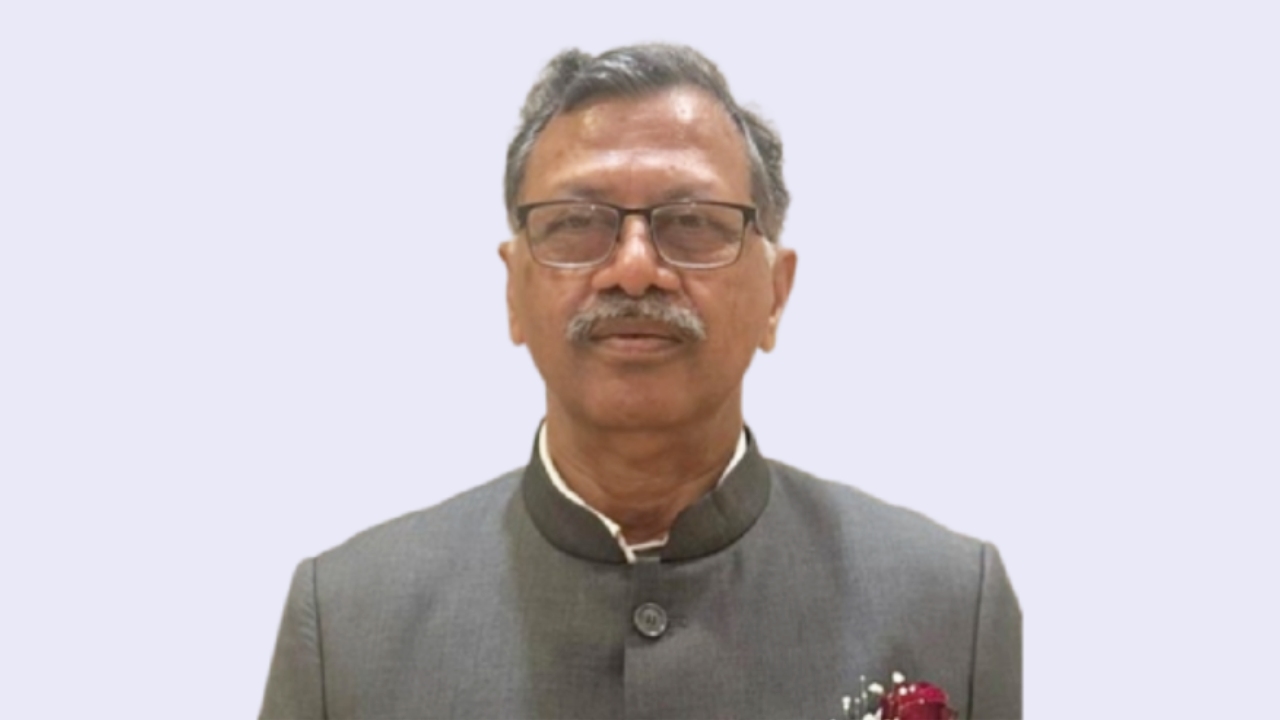
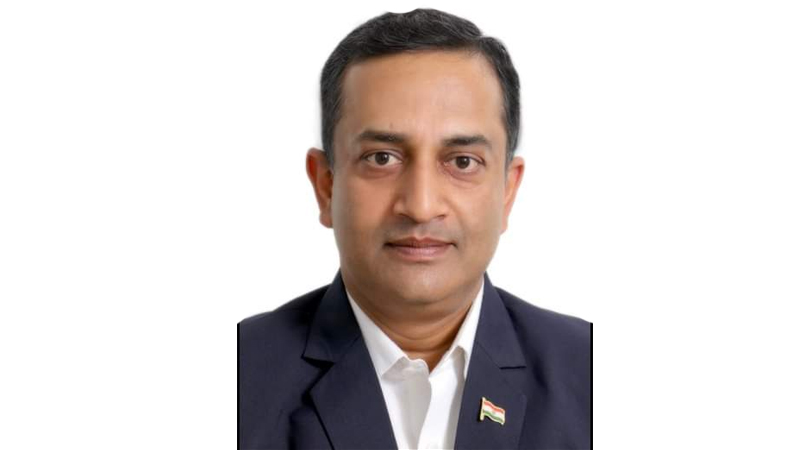
In an exclusive interview with The Interview World at the 4th International SME Convention, organized by the India SME Forum in collaboration with the Department for Promotion of Industry and Internal Trade (DPIIT), Government of India, A.J.M. Nazeem, Chairman of Niki Garment, offers deep insights into the company’s textile innovations and global export strategy. He also evaluates the quality and competitiveness of Indian fabrics, emphasizes their pricing advantage, and outlines his long-term vision for expanding and strengthening the company’s global footprint.
Here are the key takeaways from his engaging conversation.
Q: Could you elaborate on the textile products manufactured by Niki Garment? Additionally, do you export these products to international markets?
A: I am originally from Sri Lanka, but I have been conducting business in India, primarily from Tamil Nadu, for over three decades. Every month, I import two to three containers of fabric from Tamil Nadu to Sri Lanka. My business focuses on fabric trading, operating exclusively on a wholesale model. Through this network, I supply over 25 categories of garments across Sri Lanka.
Recently, I imported another two to three containers of fabric, continuing my regular supply chain. My core objective has always been to source high-quality materials, and India remains one of my most reliable partners in that pursuit.
I visited India again to explore the remarkable advancements in the fabric manufacturing sector and to understand the latest innovations shaping the industry. What I found was impressive that India offers a vast variety of fabrics and is home to major textile hubs like Ludhiana and Surat, both renowned for their manufacturing excellence.
During my visit, I collected samples, interacted with manufacturers, and engaged with entrepreneurs across the textile ecosystem. These discussions reaffirmed my belief that India stands as one of the strongest markets for fabric manufacturing in the world.
Building on this confidence, I continue to import fabrics and garments from India and export them to Sri Lanka, as well as to international markets including Canada and the United States.
Q: What is your assessment of the quality of fabrics and garments manufactured in India?
A: Most of the fabrics and garments I supply to Sri Lanka come directly from India. In recent years, some traders have turned to China for cheaper imports. However, while Chinese products compete on price, Indian fabrics and garments consistently outperform them in quality. The demand for Chinese products has been steadily declining, while India’s textile manufacturers continue to strengthen their global reputation for superior craftsmanship and reliability.
That said, one challenge in collaborating with local garment manufacturers in India is the language barrier. Many prefer to communicate in their regional languages, which can make business discussions difficult for international buyers like us.
About six or seven months ago, I met the owner of a large textile company in Ludhiana. During our meeting, I offered to bring two or three potential buyers from Sri Lanka. Unfortunately, I didn’t receive a clear response. Naturally, that lack of communication created a sense of hesitation because in business, silence often breeds uncertainty.
Perhaps it was simply due to first-time business apprehension. Many manufacturers are cautious when entering new markets; they want to assess the potential risks and evaluate whether the collaboration will be sustainable. I believe they preferred to study the opportunity before making any commitments, and that’s perfectly understandable in any business relationship.
What truly matters, however, is that Indian garment and fabric manufacturers consistently deliver quality. In the end, quality builds trust, sustains partnerships, and drives growth far more than price ever could.
Q: How competitive do you find Indian fabrics and garments in terms of pricing?
A: Indian fabrics and garments offer exceptional value. The prices are competitive, and the quality remains consistently high. This strong price–quality balance allows us to achieve better margins and profitability when selling from Sri Lanka.
For over 15 years, I have been importing fabrics and garments from a trusted partner, S.A.R. Clothing in Tiruppur. Their commitment to quality never wavers; every shipment meets the same high standards. That consistency is the reason I continue to import from them. After all, I have been doing business in India for more than 35 years, and such reliability is rare and invaluable.
When I first came to India to start my business, my supplier operated from a small 10-by-10-foot room, displaying just a few samples. That modest space marked the beginning of our partnership. Today, that same supplier has grown into a successful and well-established businessman in Tiruppur, a testament to the strength of India’s textile industry and the power of perseverance.
What continues to impress me about Indian fabric and garment manufacturers is their unwavering focus on quality and affordability. They understand that maintaining both ensures sustained demand and long-term growth in a highly competitive global market.
Q: What is your long-term strategy to expand and strengthen your business operations?
A: We source our fabrics from India primarily because import duties on finished garments are high in Sri Lanka. To manage costs efficiently, we import fabrics from India, manufacture garments in Sri Lanka, and then export the finished products to global markets.
This approach aligns with the broader trend in Sri Lanka, where most businesses focus on garment exports rather than imports, precisely to avoid high import duties.
To strengthen our value chain, we continue to collaborate closely with Indian fabric manufacturers and maintain active operations in both countries. The model is simple yet effective: procure fabrics from India, process and produce garments in Sri Lanka, and export them worldwide.
This India–Sri Lanka business synergy has proven highly sustainable and profitable for us. As long as India’s trade policies remain stable, we are confident that this model will continue to deliver strong results and long-term growth.


1 Comment
You always deliver high-quality information. Thanks again!
Comments are closed.